The UAE’s digital asset sector is entering a new phase as firms increasingly look to establish regulated investment vehicles providing professional investors with structured exposure to digital assets.
The shift reflects how the crypto industry has evolved. Originally, the industry focused on the infrastructure around crypto. Digital assets have now moved into institutional investment structures where investors expect the regulatory and operational frameworks of a traditional fund.
In the UAE, the DIFC and ADGM have continued adapting their regulatory approaches to accommodate digital assets. Since January 2026, the Dubai Financial Services Authority (DFSA) has moved away from keeping a prescribed list of approved crypto tokens, putting more responsibility on firms to assess for themselves which tokens meet the criteria. The Financial Services Regulatory Authority (FSRA) has continued refining ADGM’s virtual asset framework, including its approach to asset acceptance and staking. While both jurisdictions accommodate digital asset funds, their regulatory frameworks differ, meaning sponsors need to consider which environment best fits their particular investment strategy.
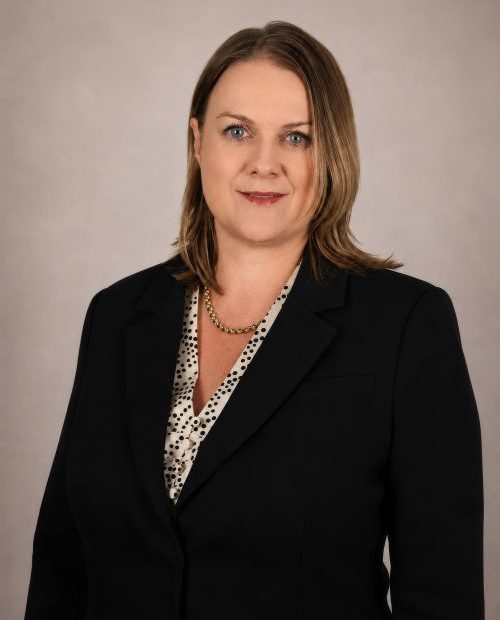
Vanessa Abernethy, Co-Founder of Oryx Legal Consultants, a UAE-based legal consultancy firm, was among the first legal advisors in the UAE to work with digital asset funds, and says getting the fund structure right starts with understanding what the sponsor wants to achieve. She says, “When a client comes to us wanting to establish a crypto fund, the first conversation isn’t about whether they should choose DIFC or ADGM. It’s about what the fund is actually going to do.”
“A fund might invest in anything from established cryptocurrencies to blockchain venture investments.
“Each strategy raises different legal, operational and governance questions that must be thoroughly explored before the fund is established.”
At a high level, the structure of a digital asset fund may look familiar, with a regulated manager, administrator, custodian and professional investors. But digital assets introduce a different set of legal and operational risks.
Custody models differ widely and can include an exchange, a multi-signature wallet or a regulated third-party custodian, each raising its own questions. How are on-chain transactions reconciled with the fund’s books? Who controls the private keys?
Valuation and liquidity also pose more complex structuring challenges. Determining the value of a crypto fund can be more complicated than with a traditional fund, with assets trading continuously across multiple exchanges and potentially at different prices.
Similarly, an asset being tradable 24/7 doesn’t necessarily mean a fund can easily sell a large holding at the quoted price. Tradability does not mean liquidity, so fund terms need built-in tools for managing this, such as the right to pause withdrawals during periods of stress, or to pay investors out in the underlying asset rather than in cash.
Custody, valuation and liquidity are not the only considerations. Governance, regulatory permissions, cross-border distribution and anti-money laundering controls add further layers of complexity.
“The question is no longer simply whether the UAE permits crypto funds. The real challenge is designing the investment strategy, regulatory perimeter and operating architecture so they work together,” Abernethy adds.
As institutional demand continues to grow, the UAE’s ability to provide clear regulation, robust infrastructure and well-structured investment vehicles will be central to its ambitions to become a leading global hub for digital asset investment.