Al Gharbia Pipe Company (AGPC), an Abu Dhabi-based producer of longitudinally submerged arc welded (LSAW) steel pipes, is leveraging AI, automation and digital technologies to enhance product quality and operational resilience, as well as enhancing its logistics capabilities to meet the evolving regional situation.
These technologies support the development of robust pipeline networks in the UAE and wider Middle East region that underpin both today’s energy needs and long-term energy transition ambitions.
The Middle East occupies a pivotal position in the global energy landscape. Any disruption on vital shipping lanes has a huge impact on international supply chains, underscoring the importance of developing alternative routes and strengthening regional infrastructure to enable the uninterrupted movement of energy resources.
AGPC has played a significant role in supporting this objective, supplying approximately 360,000 metres or 220,000 metric tons of LSAW steel pipes for a major oil pipeline project. This pipeline is an alternative export pathway that enhances flexibility and reinforces the UAE’s energy supply chain.
Additionally, AGPC’s access to Khalifa Port and Jebel Ali Port on the Arabian Gulf, and the Port of Fujairah on the Gulf of Oman allow its steel plate imports and LSAW pipe exports to reach international destinations unimpeded. These multiple port options keep deliveries moving in the event of regional disruption.
“Resilient supply chains are essential for regional and global economies to mitigate disruption of passage along key trade routes,” said Noritsugu Mifune, CEO of Al Gharbia Pipe Company. “Al Gharbia Pipe Company’s advanced manufacturing and logistics capabilities help supply steel pipes for strategic pipeline networks. This helps strengthen reliability and security of energy flows across the region.”
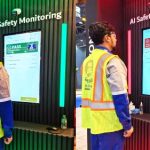
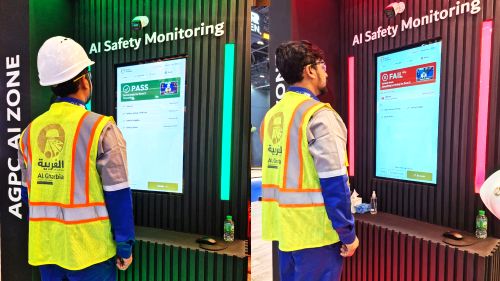
AGPC’s AI-powered quality inspection and safety monitoring systems identify possible defects quickly and accurately and prevent workplace safety incidents. Combined with advanced automation and digital production technologies, these capabilities improve traceability, reduce operational risk and ensure that critical pipeline infrastructure meets the rigorous standards required by major energy transit projects.
AGPC is also ready to support the decarbonisation of the energy sector with the capability to manufacture pipes for hydrogen transit. These pipes meet ASME B31.12 standards, providing resistance to fracturing caused by hydrogen embrittlement.
“As demand grows for secure, reliable and resilient energy infrastructure, advanced manufacturing must play a greater role in supporting the region’s long-term ambitions,” Mifune said. “By integrating AI, automation and Industry 4.0 technologies throughout our operations, AGPC is delivering higher quality, greater efficiency and a more robust supply chain, while helping build the foundations for the energy systems of the future.”
As the Middle East navigates an increasingly complex operating environment, advanced, AI-enabled manufacturing technologies and multiple supply chain routes are helping ensure that critical pipeline assets meet the highest standards of performance and reliability. These enable manufacturers to build stronger, safer and more reliable infrastructure that supports regional energy security for decades to come.