In changing aviation landscape
After a four-year hiatus, China and India have opened discussions on reinstating direct air services between the two Asian powerhouses. This move could mark a turning point for two of the world’s largest and fastest-growing aviation markets.
Direct flights between the countries were suspended in 2020 due to the twin disruptions of the Covid-19 pandemic and a series of political incidents at their shared border. While it may appear coincidental that talks are happening now, the timing could not be more significant, according to John Grant, Chief Analyst at OAG.
The commercial incentives for both sides are clear, but the question remains: How will any new agreement differ from the one that existed before 2020, when Chinese airlines dominated the route?
China and India have historically maintained tightly regulated air service agreements, limiting the potential of a market that should be thriving. Even as commercial necessity has forced both countries to ease restrictions in recent years, the volume of flights has never reflected the scale of demand.
At the height of activity in 2019, there were 2,588 scheduled flights annually between the two countries, averaging just seven one-way flights per day. Most routes connected Delhi to Shanghai and Guangzhou, primarily operated by China Southern and China Eastern. These two Chinese carriers ran two daily services, underscoring their dominance in the bilateral market.
This imbalance wasn’t accidental. India’s “five and twenty” rule, which prevented local airlines from flying internationally until they had five years of domestic experience and a fleet of 20 aircraft, effectively restricted market access to Air India. At the time, Air India struggled to remain operational, let alone competitive. The result was a lopsided air corridor where Chinese airlines controlled around 80% of all direct flights between the two countries, says Grant.
Today’s reality
Today’s context is very different. With no direct flights since early 2020, demand hasn’t disappeared—it has been redirected. In 2023, around 572,000 passengers travelled indirectly between China and India, using alternative hubs such as Bangkok, Hong Kong, and Singapore. In 2019, that number was even higher, with more than 1.2 million people opting for connecting flights. These figures show that the market not only exists but has likely strengthened during downtime.
This growing demand and current international dynamics make for an interesting moment to reset. Chinese airlines are facing severe restrictions on routes to the United States. In 2019, they operated over 10,400 flights between the two countries. This year, just 2,500 are scheduled—a dramatic 76% reduction. The resulting loss of access to lucrative Western markets is prompting Chinese carriers to look closer to home for opportunities.
India, meanwhile, has been expanding its aviation ambitions. The country is investing heavily in transforming Delhi and Mumbai’s airports into global hubs. This strategy aligns neatly with the possibility of opening direct access to China, especially as Indian airlines have 1,800 aircraft orders for the next two decades. These include fleet renewals and capacity expansions—aircraft that need profitable international routes to justify their existence.
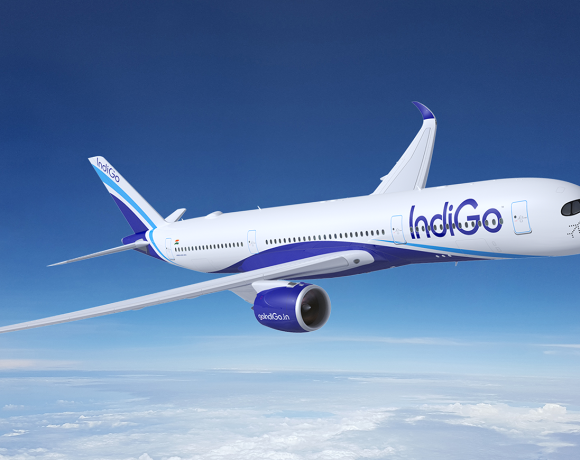
This time, Chinese airlines may not find it easy to re-establish dominance. India’s aviation sector is evolving rapidly. IndiGo, the country’s largest carrier, is expanding its reach into long-haul markets, while Air India, now under new ownership and undergoing a rebranding, is aggressively working to regain lost ground.
Competition in India
According to Grant’s analysis, where Air India was once the sole contender, there is genuine competition today. IndiGo’s upcoming fleet of A321XLR aircraft will enable efficient, narrow-body operations on medium-haul routes, including those to China. These jets offer cost-effective solutions and could challenge Chinese carriers that rely on more expensive wide-body aircraft.
Adding to this momentum, IndiGo is finally recovering from supply chain setbacks, notably its engine issues with Pratt & Whitney. With deliveries stabilising and newer aircraft entering service, the airline is better positioned than ever to capitalise on underserved international routes—China included.
Although current talks are still in the early stages, both governments stand to gain significantly by reopening direct air links. For China, it’s a chance to mitigate losses from Western route restrictions and to tap into a booming regional market. For India, it’s about strengthening global connectivity and showcasing its rise as an aviation powerhouse.
Reestablishing direct flights also sends a broader message: pragmatic commercial cooperation is possible even amid complex geopolitical tensions. The restart of these services won’t erase the past few years of tension, but it could usher in a new era of balanced, mutually beneficial air travel.
There’s no doubt that the potential is there. What remains to be seen is how both sides will navigate the politics, policy shifts, and competitive pressures to get planes back in the air finally. One thing is sure—after four years on pause, the skies between China and India are ready to reopen.
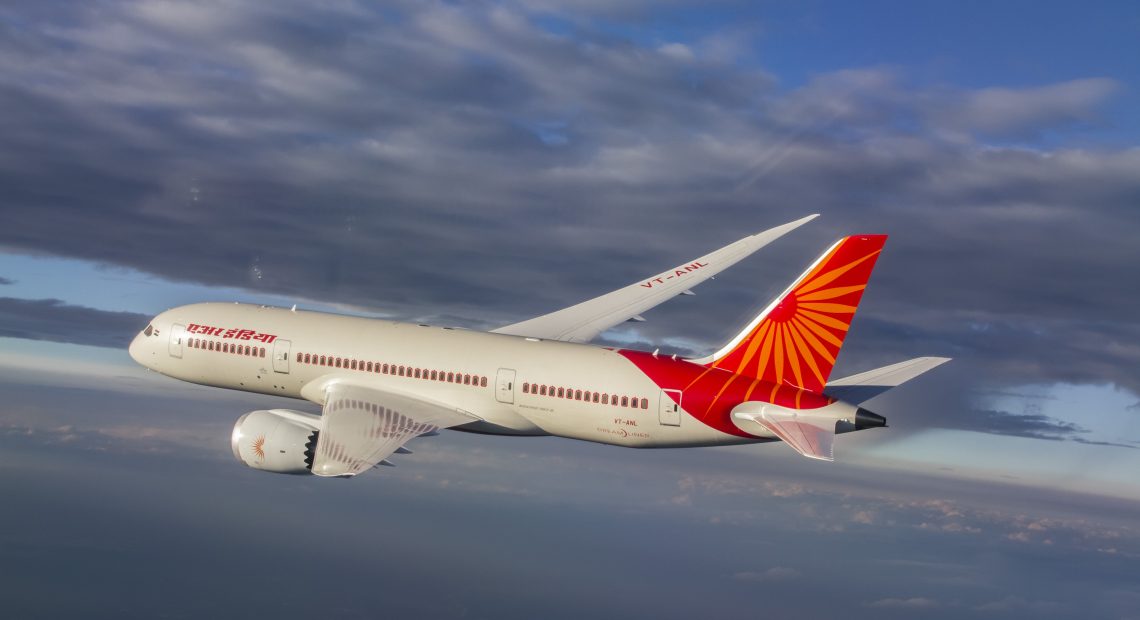
Image: Air India will face competition from fellow Indian airline IndiGo if direct flights resume between China and India. Credit: Air India