As UAE eyes low-altitude air mobility
A Chinese-manufactured electric aircraft capable of vertical take-off and landing (VTOL) has become the first of its kind, weighing over one tonne, to receive full airworthiness certification. The development is seen as a key step toward the commercial rollout of cargo and aerial mobility systems across global markets, including the United Arab Emirates.
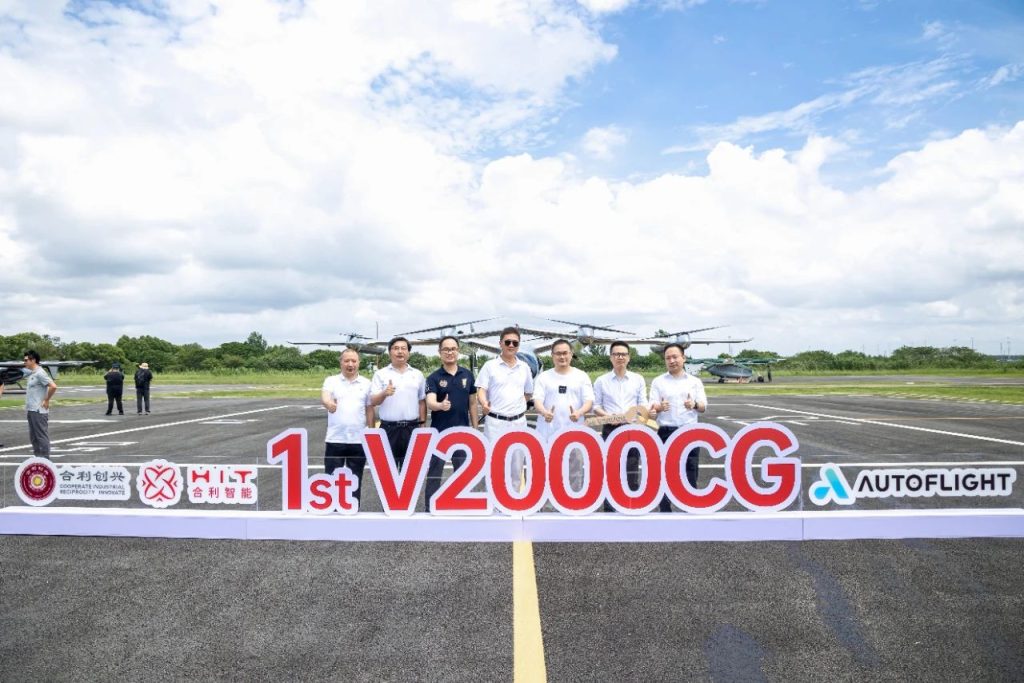
AutoFlight, a Shanghai-based aerospace firm, confirmed it has delivered its heavy-lift ‘CarryAll’ aircraft to Chinese operator Heli Chuangxing Intelligent. The handover follows formal airworthiness certification granted on July 21, 2025, by the Civil Aviation Administration of China (CAAC).
The aircraft is the first electric vertical take-off and landing (eVTOL) platform in its weight class to have received all three necessary regulatory approvals: a Type Certificate for design, a Production Certificate for manufacturing, and an Airworthiness Certificate for individual aircraft operation. According to officials, this marks a global first for electric aviation in the heavy-lift segment.
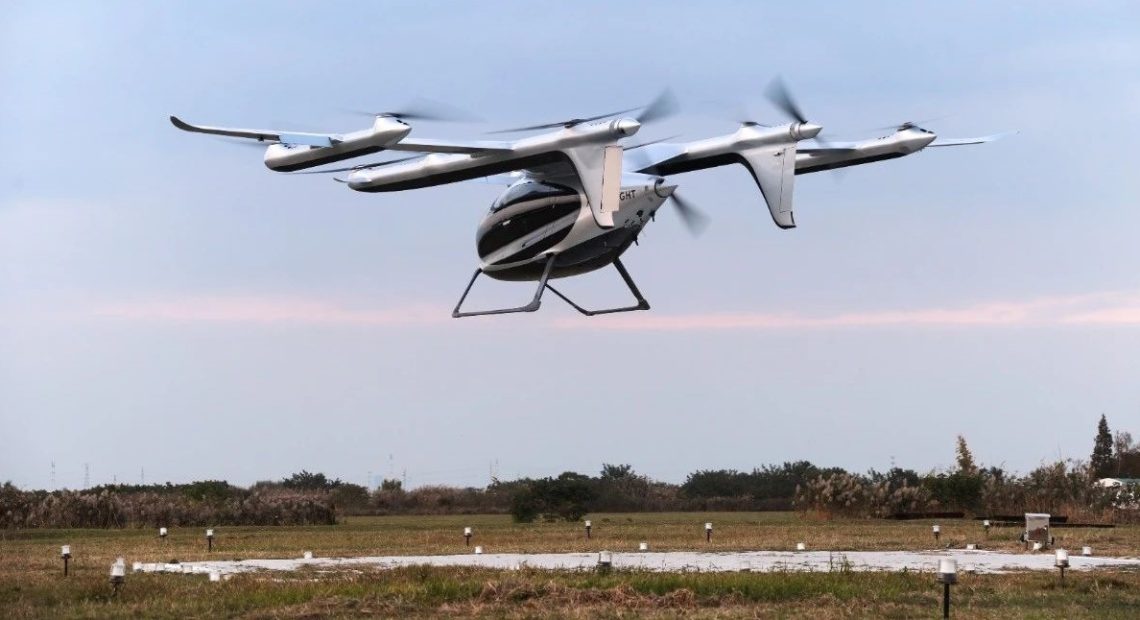
The CarryAll has a take-off weight of two tonnes and can carry up to 400 kilograms of cargo. It can cruise at speeds of up to 200 kilometres per hour and has a maximum range of approximately 200 kilometres. Designed for unmanned operation, the aircraft combines the vertical lift features of a helicopter with the cruising efficiency of a fixed-wing aircraft.
AutoFlight said the aircraft has undergone over 40,000 kilometres of test flights across various conditions and locations. These include trial operations in multiple environments, such as plains, mountains, coastal areas, deserts, and urban areas, across China, the United Arab Emirates, and Japan. This test data played a key role in the regulatory approval process.
Flight testing in the UAE is particularly significant as the Arabian Gulf country looks to build its low-altitude air mobility ecosystem. In recent years, the UAE has invested heavily in future mobility platforms.
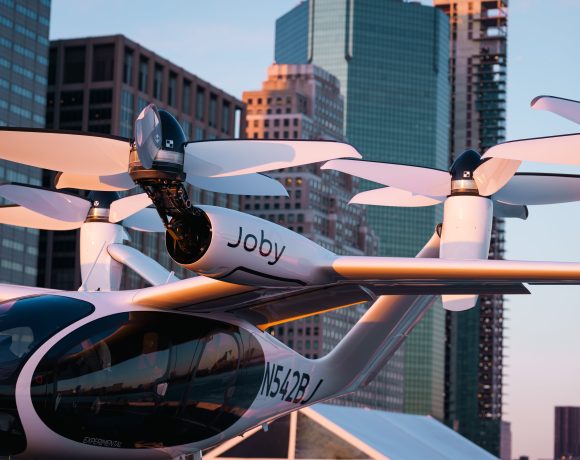
Transport authorities in Dubai and Abu Dhabi have already signed agreements with American firms, including Joby Aviation and Archer Aviation, to initiate piloted air taxi operations in Dubai and Abu Dhabi by 2026. These services will likely operate alongside logistics-focused platforms such as CarryAll.CarryAll is expected to support a range of logistics and emergency services applications, including disaster relief, medical supply drops, and parcel transport in remote or congested areas. Its electric propulsion system positions it as a lower-emission alternative to traditional rotorcraft and cargo drones.
For the Gulf region, where temperature extremes and challenging terrain pose obstacles to conventional air transport, aircraft like the CarryAll could offer a reliable alternative. With cargo demand rising across the Middle East, particularly for last-mile and time-sensitive deliveries, authorities in the UAE and Saudi Arabia have expressed interest in expanding aerial logistics networks.
AutoFlight’s delivery to Heli Chuangxing also reflects growing alignment between aircraft developers and service operators in Asia. Heli Chuangxing, a unit of the Heli Chuangxing Group, is expected to deploy the CarryAll as the core of its low-altitude transport operations. The company aims to test urban delivery corridors and emergency support applications in China, with potential for overseas partnerships.
While the CarryAll is uncrewed, AutoFlight is also working on a five-seat passenger eVTOL called Prosperity. The aircraft is currently undergoing certification with multiple authorities and has reached the stage of compliance verification. A timeline for its commercial availability has not been disclosed.
AutoFlight’s multi-market testing strategy, which includes flights to the UAE, signals a broader ambition to establish an international footprint. China has already declared low-altitude economy development a strategic priority, and manufacturers are increasingly looking beyond domestic markets for regulatory alignment and commercial deployment.
In the UAE, authorities have taken a proactive approach to advanced air mobility. The General Civil Aviation Authority has been collaborating with international developers to map aerial corridors and draft regulations for vertiports. At the same time, Abu Dhabi and Dubai plan to integrate air taxis into their existing transport hubs.
As global competition intensifies in the eVTOL sector, aircraft capable of carrying heavier loads are seen as essential for scaling up use cases beyond passenger services. CarryAll’s certification and delivery suggest China is aiming to position itself not only as a supplier of lightweight urban aircraft but also as a key player in heavy-duty aerial logistics.
The UAE’s established track record of testing and adopting transport innovation — from drone deliveries to autonomous shuttles — suggests it could become one of the first countries to integrate heavy-lift eVTOL systems into its broader mobility infrastructure.
AutoFlight’s aircraft may soon join a growing list of aerial systems operating in the Gulf, where rising e-commerce demand, infrastructure development, and government support are converging to accelerate the uptake of electric aviation technology.
Hero image: AutoFlight’s CarryAll has a take-off weight of two tonnes and can carry up to 400 kilograms of cargo. Credit: AutoFlight