
As AI emerges as a key differentiator
Data and artificial intelligence firm Cloudera has joined the AI-RAN Alliance, a global consortium focused on embedding AI into telecommunications infrastructure, as the industry pushes to modernise networks through intelligent automation and edge computing.
The AI-RAN Alliance, which includes founding member Nvidia and other key players such as Dell, SoftBank, T-Mobile, KT and LG U+, aims to transform radio access networks (RAN) into more efficient and adaptive systems through AI-driven solutions.
The alliance, which launched to address the complexities of AI adoption in telecom environments, is working on common frameworks that enable AI to be embedded not only into RANs but across broader network layers. This includes shared infrastructure, AI-optimised hardware, and cloud-native software stacks that can be deployed flexibly by operators in different markets.
Cloudera specialises in managing large-scale data platforms and enabling AI workflows across hybrid and edge environments, bringing this expertise to the consortium.
Telecom operators are under pressure to reduce network operation costs and unlock new service revenues. AI is increasingly being explored as a key tool to drive this transformation, promising improved service efficiency, enhanced reliability, and the potential to introduce entirely new AI-based offerings.
But deploying AI across decentralised edge networks remains a complex challenge, requiring robust data pipelines, infrastructure orchestration, and scalable model management.
Cloudera is joining the consortium’s ‘Data for AI-RAN’ working group, which focuses on establishing standards for data handling, automation using large language models, and machine learning operations (MLOps) tailored for telecom environments.
The group aims to streamline the integration of data and AI into telecom systems, particularly at the network edge, where latency-sensitive decisions must be made in real-time.
Cloudera role
By contributing its expertise, Cloudera will help design reference architectures and operational models that telecom operators can apply in live networks. These models are designed to support use cases such as real-time anomaly detection, predictive maintenance, and service-level agreement (SLA)- driven network optimisation.
The company said its platform enables the end-to-end orchestration of AI workloads from the network edge to central data centres, with governance, observability, and MLOps capabilities built in. This helps telecom operators to train, deploy, and manage AI models reliably while maintaining control over data flows and ensuring compliance.
As the telecommunications industry moves toward more virtualised and software-defined networks, AI is emerging as a key differentiator. Rather than simply reacting to network events, AI can allow operators to anticipate faults, manage capacity proactively, and customise services dynamically, improving both performance and profitability.
The AI-RAN Alliance is expected to pilot a series of real-world implementations over the coming months, with a focus on accelerating the global commercial adoption of AI-powered telecom services. Cloudera will play a key role in shaping those pilots and helping members move from experimentation to deployment.
Dr Alex Jinsung Choi, Chair of the AI-RAN Alliance and Principal Fellow at SoftBank’s Research Institute of Advanced Technology, said Cloudera’s addition is timely. Demand for reliable and scalable AI is skyrocketing across telecom networks. Cloudera brings a deep understanding of both enterprise AI and the specific needs of telecoms, making it a strong partner in our mission to build AI-native networks,” he said.
Abhas Ricky, Chief Strategy Officer at Cloudera, said joining the alliance aligns with the company’s broader strategy of enabling telecoms to become more adaptive and AI-native. “The network is central to both cost efficiency and service innovation,” Ricky said. “By helping standardise data orchestration and AI deployment at scale, we aim to support operators in building more intelligent infrastructure that delivers measurable business outcomes.”
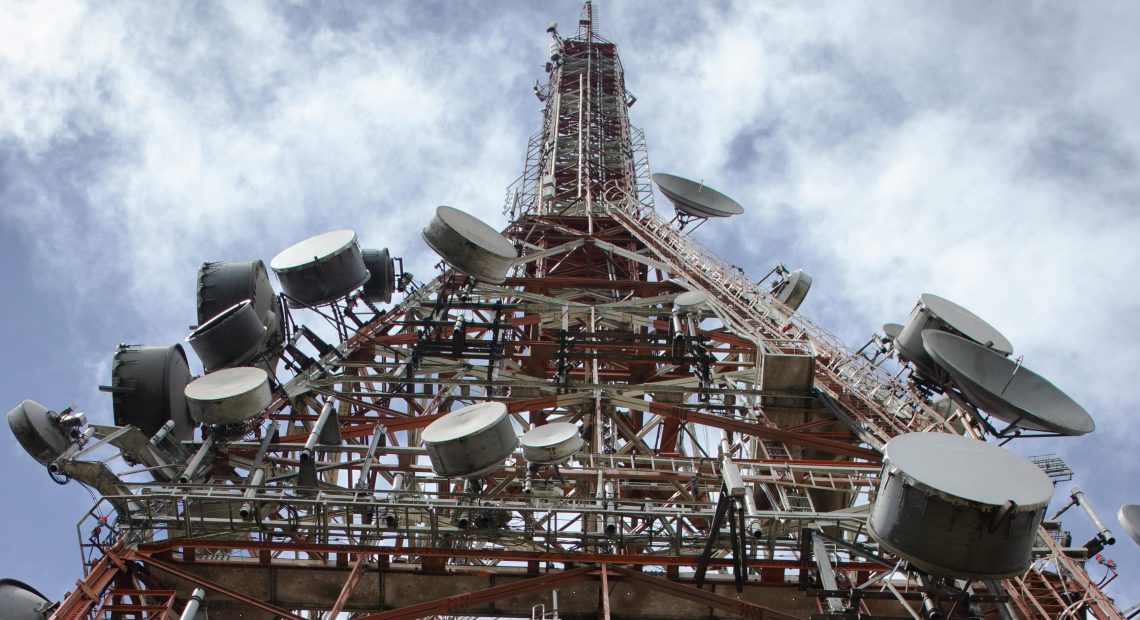
Image: AI can allow telecom operators to anticipate faults, manage capacity proactively, and customise services dynamically, improving both performance and profitability. Credit: Marcelo Mareiro