Photo Credit : WAM
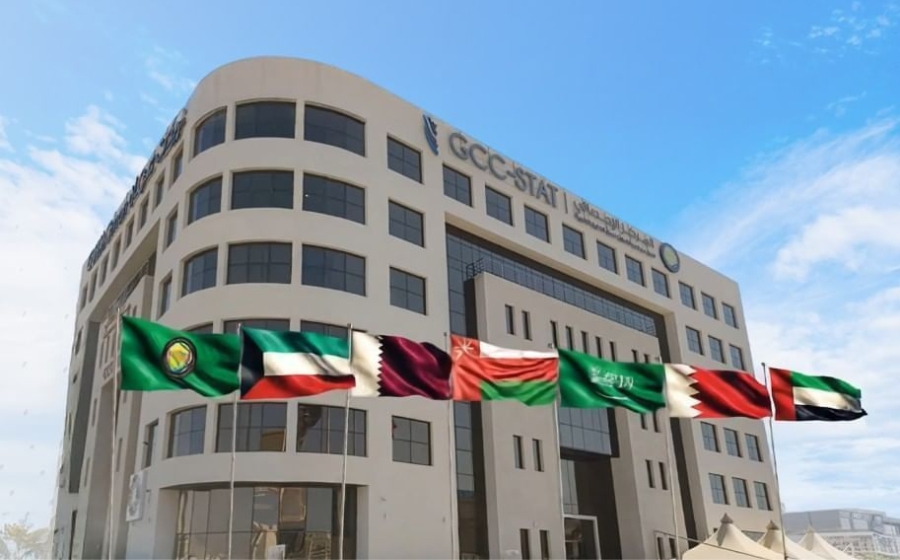
The Statistical Centre for the Cooperation Council for the Arab Countries of the Gulf has revealed that 53 cities across the Gulf Cooperation Council have now been designated as Healthy Cities, reflecting a growing regional focus on linking urban development with public health and quality of life.
Health authorities across the GCC said the Healthy Cities initiative represents a practical approach to embedding health into everyday living, supported by rapid digital transformation and ongoing healthcare innovation. These efforts are helping shape more integrated and efficient health systems across the region.
Officials added that GCC countries are working to strengthen their global standing in healthcare by aligning health and development strategies to improve overall societal well-being. The region has already recorded strong indicators, with higher-than-average numbers of hospitals, physicians and hospital beds per 10,000 people compared to global benchmarks.
Data also showed that mortality linked to air pollution in GCC countries ranges between 16 and 45 deaths per 100,000 people. Meanwhile, deaths associated with unsafe water, sanitation and hygiene remain extremely low, with figures not exceeding 0.1 per 100,000.
Other health risks are also relatively contained. Mortality rates from unintentional poisoning remain minimal, not exceeding 0.4 deaths per 100,000 people. Tobacco use among individuals aged 15 and above ranges between 8 percent and 18.9 percent, approaching the global average of 20.9 percent.