
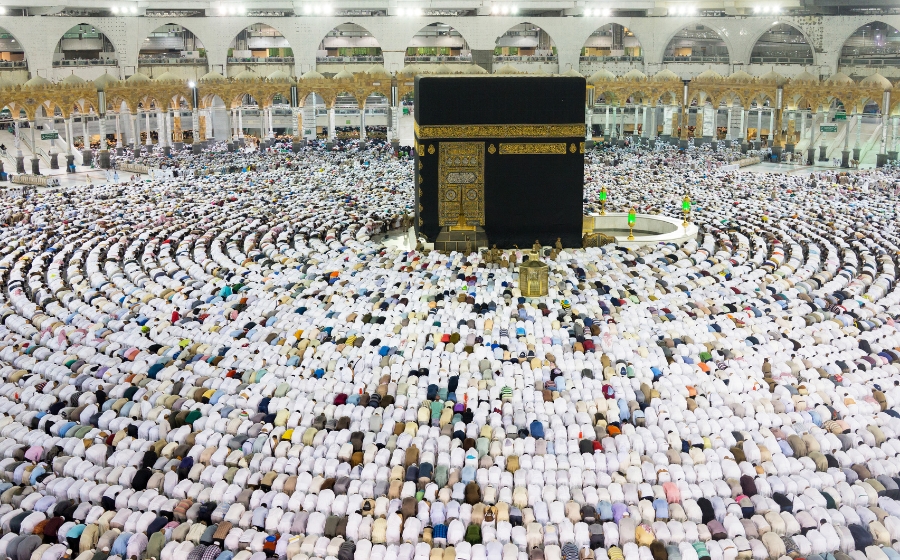
As thousands of residents prepare for the annual Hajj pilgrimage, employees in the UAE’s private sector are being reminded to plan their leave well in advance, with labour laws outlining specific provisions for those undertaking the journey.
Under the UAE Labour Law — Federal Decree-Law No. 33 of 2021 — Hajj leave is recognised as a special category of leave granted to Muslim employees. However, it comes with defined conditions that workers should be aware of before submitting a request.
Unpaid leave with specific limits
In most private sector roles across the UAE, Hajj leave is unpaid and may be granted for a maximum of 30 days. Importantly, it can only be availed once during an employee’s tenure with a single employer.
This means workers who have already taken Hajj leave with their current company would not be eligible to request it again unless they move to a new employer.
Free zone regulations differ slightly
Employees working in financial free zones such as the Dubai International Financial Centre (DIFC) and Abu Dhabi Global Market (ADGM) are subject to slightly different rules, though the overall framework remains similar.
In DIFC, Muslim employees must complete at least one year of continuous service to qualify and are entitled to up to 21 days of unpaid leave, available once per employer.
Meanwhile, under ADGM regulations, employees with a minimum of one year of service can take up to 30 calendar days of unpaid leave, also limited to a single instance during their employment.
Early planning is essential
Given the extended duration of Hajj leave, employees are advised to submit their requests well ahead of time. Companies often require sufficient notice to manage workloads and ensure business continuity during an employee’s absence.
Submitting a request several weeks or even months in advance increases the likelihood of approval and allows teams to prepare accordingly.
Application process and requirements
While procedures may vary between organisations, most UAE companies follow a standard process. Employees are typically required to submit a formal request through their HR department or internal system.
Supporting documents, such as Hajj registration confirmation or travel itineraries, may also be requested to verify the purpose of the leave.
In addition, employees are expected to organise their workload before departure, complete pending tasks, and coordinate handovers with colleagues to minimise disruption.
Approval depends on company policy
Although UAE law allows Hajj leave, it is not automatically guaranteed. Final approval depends on the employer’s internal policies and operational needs.
Employees should also note that the leave is unpaid, making financial planning an important consideration. The duration of leave granted may vary based on company approval, though it cannot exceed the legal limits.
Balancing faith and workplace responsibilities
Hajj remains a once-in-a-lifetime religious obligation for many Muslims, and UAE labour regulations acknowledge its significance by providing dedicated leave options.
However, with restrictions on duration and eligibility, employees are encouraged to communicate early with their employers and plan carefully to ensure a smooth and approved leave process.