
June beginning of summer period in UAE, temperatures and humidity levels rise with a guide and set of tips to stay safe, healthier, happier, and energetic in United Arab Emirates where scorching heat exceeding 45°C and 113°F creates extreme conditions with significant health risks. Proper precautions are essential to stay healthy in intense heat as directives from Ministry of Human Resources and Emiratisation (MoHRE) enforce Midday Work Ban in effect until September, restricting work in direct sunlight and open-air spaces as prohibited from 12:30 PM to 3:00 PM as a measure to protect workers from related illnesses and ensure safety during hot months and summers.
Reminding each year in the backdrop of genuine occupational hazard, workers are regularly exposed beyond outdoor physiological strain which requires common sense to manage by organisations in GCC that are expected to demonstrate awareness through structured and evidence-based control measures for people with updated policies aligned with international standards and decades of operational experience in Auxilium article comprehensive stress guidelines framework in a practical narrative-driven guideline for safely working that leads HR teams and operations managers with clarity to respond effectively on core message for 2026 with simple exposure anticipated managed and monitored through risk assessments using engineering controls under regulatory compliance that depends on depth of improvisation.
UAE Summer Health & Safety Guidelines 2026
| Topic | Key Point | Type |
| Travel Season | Follow travel health guidelines, vaccinations, and hygiene precautions during summer trips | Travel Health |
| Nutrition in Summer | Eat healthy foods rich in water and avoid fried or sugary foods | Healthy Nutrition |
| Hydration in Summer | Drink enough water daily to prevent dehydration and heat-related illnesses | Hydration |
| Importance of Sleep | Maintain proper sleep habits to support physical and mental health | Wellness |
| Physical Activity | Exercise regularly during cooler hours to stay active and healthy | Fitness |
| Skin Care During Summer | Protect skin from UV rays using sunscreen and protective clothing | Skin Protection |
| Heat Stroke | Avoid extreme heat exposure and stay hydrated to prevent heat stroke | Heat Safety |
| Children in Summer | Encourage healthy routines, hydration, activities, and proper sleep for children | Child Health |
| Children Accidents | Prevent household accidents through supervision and safety measures | Child Safety |
| Summer Depression | Seasonal changes may affect mood and mental health during summer | Mental Health |
Why Heat Stress Matters in the GCC Region
One most critical aspects of managing heat in high temperatures is staying hydrated, with hydration tips that become a daily survival habit in UAE summers; from personal field experience, I’ve seen how quickly heat can overwhelm the body when ignored. excessive sweating can lead to resulting loss of essential fluids and electrolytes, so it is vital to drink water in plenty and aim for at least 8-10 glasses as daily intake. When active, especially while you spend extended periods outdoors, you should increase caution, avoid diuretics, and limit consumption of caffeinated beverages and alcohol. Proper fluid and electrolyte balance matters, so using electrolytes solutions and consider drinking oral rehydration or sports drinks helps replenish lost minerals effectively.
Wear Appropriate Clothing
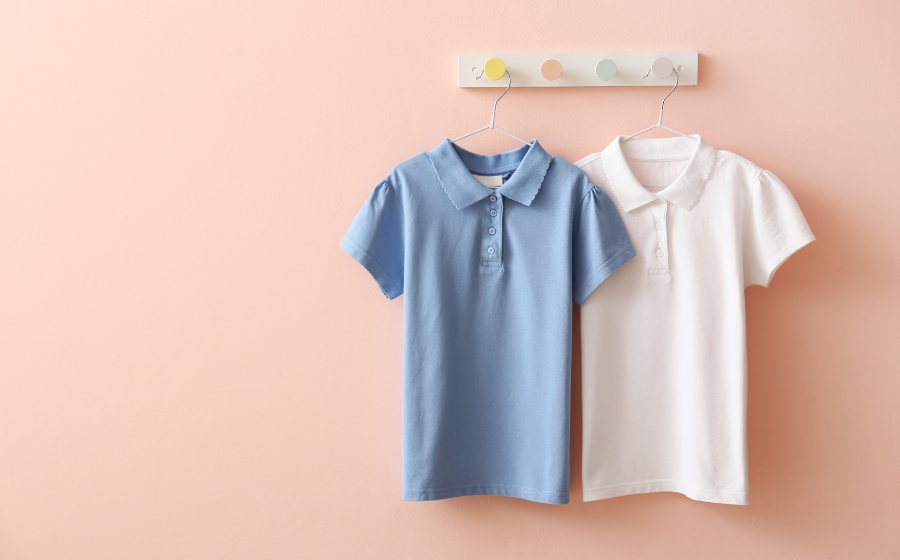
Choosing Lightweight right clothing can make a significant Wear difference in staying clothes cool clothes made of breathable fabrics like cotton Light-colored or linen that allow air circulation attire Dark colors absorb heat whereas light colors reflect it keeping you cooler Head protection Wear wide-brimmed hat or use an umbrella to shield yourself from direct sunlight.
On days when I’ve had to move around in UAE summers, I noticed that Choosing the right clothing early in the morning already can make a significant difference in how the body handles heat, especially when Lightweight and loose-fitting clothes help the skin breathe and naturally keep things more comfortable while working or traveling outdoors.
Avoid Peak Sun Hours
In the UAE summer, I’ve personally noticed that it becomes very hard to step outside when the sun feels at its strongest between 10 a.m. and 4 p.m., so it is always better to Schedule your outdoor activities carefully and Plan them for the early morning when the weather is more manageable and cooler. The situation changes quickly because The is usually at its strongest and between 10 a.m. and 4 p.m., During these hours try to Stay indoors If possible remain indoors in your outdoor tasks exercise or recreational activities for late evening when temperatures are or much safer and more comfortable, especially if you switch to air-conditioned environments where your body can recover from heat exposure. From experience, adjusting your routine like this helps avoid fatigue, so instead of forcing yourself outside during harsh heat, it is smarter to Stay indoors If possible remain indoors in your outdoor tasks exercise or recreational activities for late evening when temperatures are or more tolerable conditions return.
Use Sun Protection
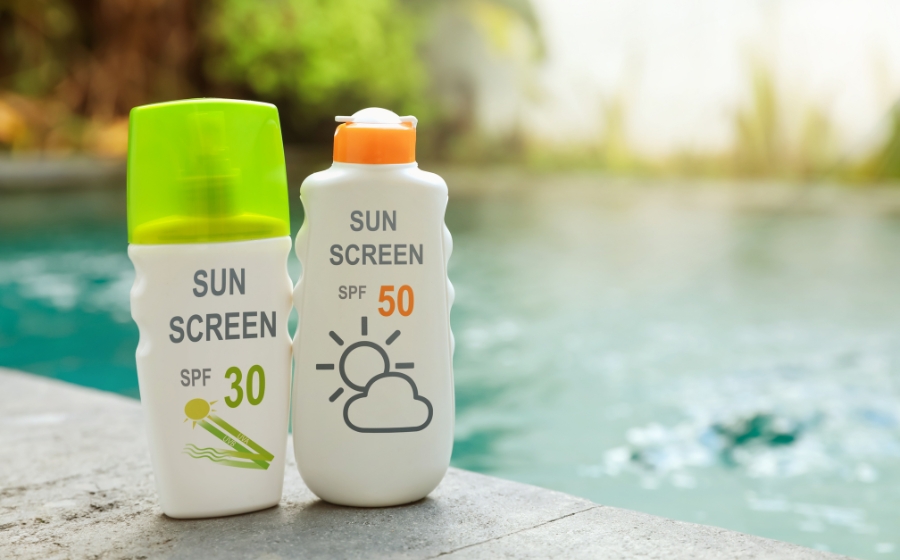
Start your routine by choosing a broad-spectrum sunscreen that can block 100% UVA and UVB rays and has at least SPF 30, then Apply it evenly before stepping outside so you can prevent sunburn and avoid long-term skin issues caused by harmful UV rays; make it a habit to Reapply every two hours, and even more frequently if you are swimming or sweating, because protection fades faster than most people expect, while along with skin care, don’t forget to protect eyes by using Sunglasses or Wear sunglasses that reduce glare and sun damage, ensuring your overall Sunscreen strategy works together as a complete shield rather than a single step.
How to avoid sunstroke in the summer
In my experience working in extreme summer conditions in the UAE, Prevention is the key to reducing heat illnesses by avoiding exertion during outdoors exposure at peak temperatures while focusing on maintaining hydration as mainstays for preventing heat illness, as highlighted by Dr El Majzoub through public warnings during heatwaves, with special care for at-risk populations where essential tools like the wet-bulb globe temperature index and proper assessment of environmental heat risk and availability of the heat index help reduce risk cases and guide measures for athletes, soldiers, and training in vulnerable conditions under environmental temperature, supported by trainers, supervisors, and medical staff who are educated in recognition of early stages and proper acclimatisation in hot and humid environments, which is important especially when limiting 1-2 hours of exercise in heat while allowing 10-14 days for adaptation, noting that substance abusers face increased risk of heat-related illness due to drugs affecting metabolic rate such as amphetamines, cocaine, ecstasy, phencyclidine, and PCP as agents that increase body temperature, while overweight and obese individuals represent a former case prone to heat stroke, where each individual may experience effects in subsequent months after an event, making it a modifiable risk factor tied to hydration status, dehydration, and physiologic strain caused by decreased sweat rates, higher perceived exertion, rising core temperatures, and the need for hyperhydration to improve heat tolerance under guidelines promoting euhydration, safe activity, and drink to thirst mentality as a preventive approach.
Conclusion
As the summer season begins in the UAE, taking proper care during extreme heat is not optional but necessary for health and safety. High temperatures above 45°C can easily lead to dehydration, heat exhaustion, and sunstroke if precautions are ignored. By following simple but effective practices like staying hydrated, wearing light and breathable clothing, avoiding peak sun hours, and using proper sun protection, individuals can significantly reduce health risks. Employers and workers must also respect safety guidelines such as the Midday Work Ban to ensure protection during the hottest hours of the day. Overall, with awareness, planning, and consistent preventive habits, it is possible to stay safe, healthy, and active throughout the challenging summer months in the UAE.