As Chinese brands sweep in
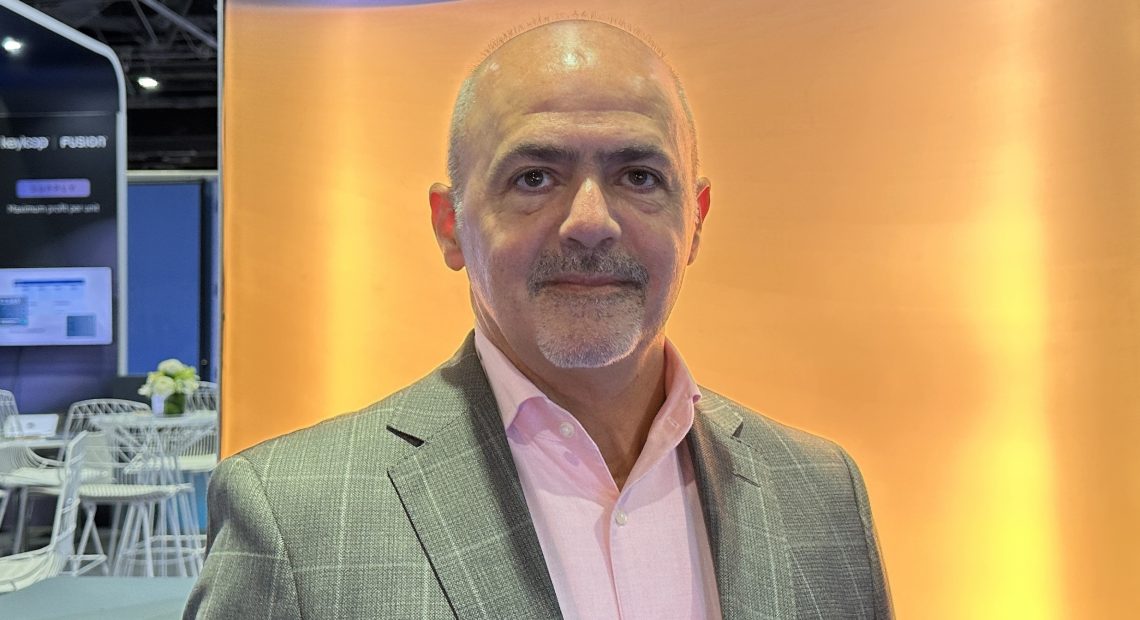
In this exclusive interview, Monzer Tohme, Managing Director (Sales) of Keyloop for the Middle East and Africa, shares insights into how the largest automotive technology company in the world maintains its dominance in the Middle East region’s dealership management market.
With its headquarters in Reading, UK, Keyloop is a global leader in providing advanced solutions tailored to the needs of over 20,000 auto retailers and 80 OEMs in 95 countries. The company’s extensive expertise and experience in the automotive industry instil confidence in its ability to drive digital transformation.
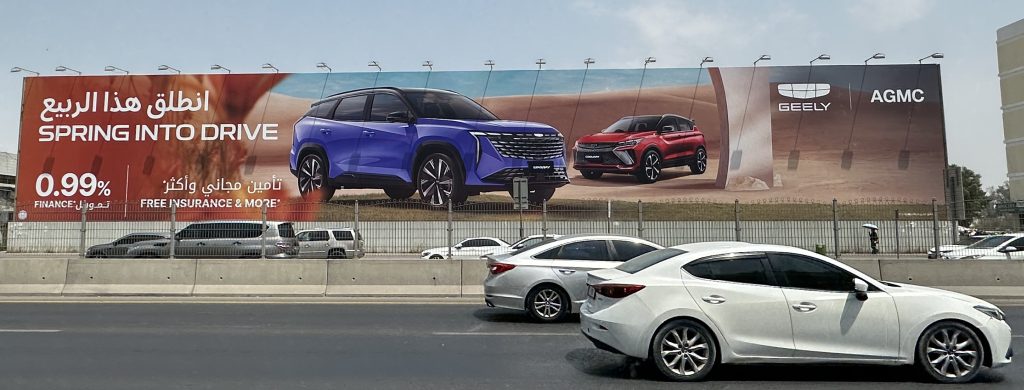
Tohme shares how Keyloop’s all-new Fusion Automotive Retail Platform (Fusion ARP) is redefining digital transformation in car sales, servicing, and customer retention. He also discusses the surge of Chinese EV brands in the UAE, projected to reach up to 55 by the end of 2025, underscoring the urgent need for the evolving relationship between OEMs and automotive retailers.
Excerpts from the interview, which have been edited for brevity and clarity:
What is Keyloop all about?
Keyloop, with a strong presence in the UAE and the Middle East for nearly 20 years, has been a key player in the digital transformation of the automotive sector. Our mission is to work closely with key automotive dealers across the GCC, offering a comprehensive end-to-end automotive dealership management solution that covers all aspects from lead acquisition and car sales to aftersales, servicing, and customer loyalty.
Over the past few years, we have significantly shifted a portion of our investment to the digital journey. Our latest innovation is the Fusion ARP. It is not just about managing dealerships anymore—it is about building a connected platform that integrates Keyloop solutions with others across the automotive ecosystem.
Could you elaborate on Keyloop’s latest platform and its capabilities?
Fusion ARP supports every part of the automotive retail journey. It allows dealers to acquire leads, convert them into loyal customers, and help them throughout the ownership lifecycle.
Dealers can choose individual solutions or opt for the entire integrated portfolio. Our edge? Deep industry knowledge. We have focused solely on the automotive industry for over 40 years, and that specialisation gives us a significant advantage, especially in the GCC region.
We also maintain strong OEM integrations. These partnerships enable seamless data flow—whether it’s parts availability or customer service data—and ensure that our clients are always a step ahead.
How has the automotive business environment changed in recent years?
Following the Covid-19 pandemic, the automotive sector was compelled to digitise rapidly. Before the pandemic, this industry lagged in e-commerce. However, digitisation has now become a top priority. Over the past two years, we have witnessed a booming retail automotive market, and our business has grown in tandem with it.
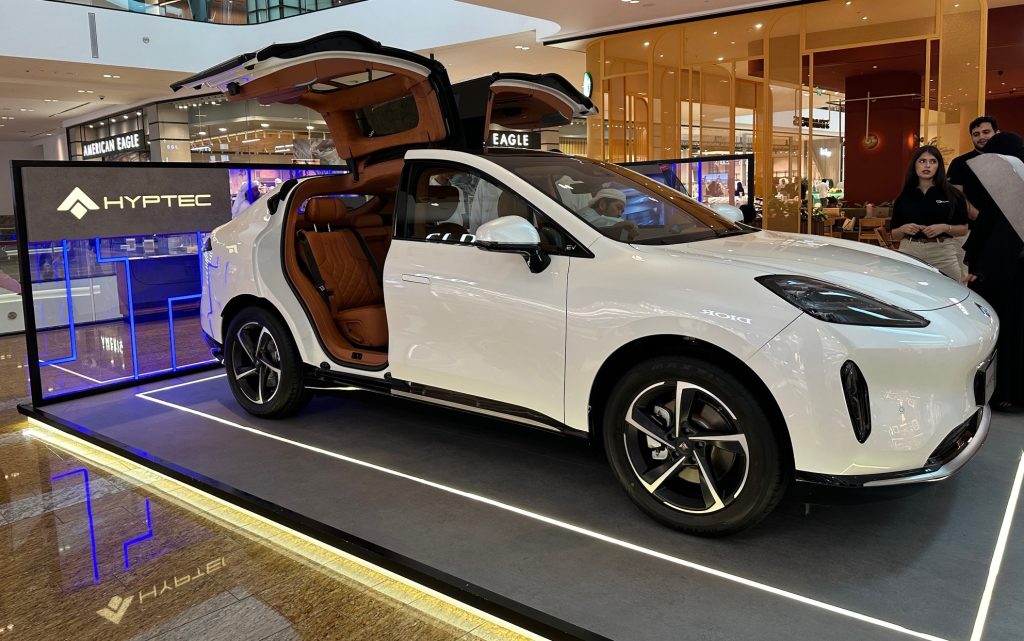
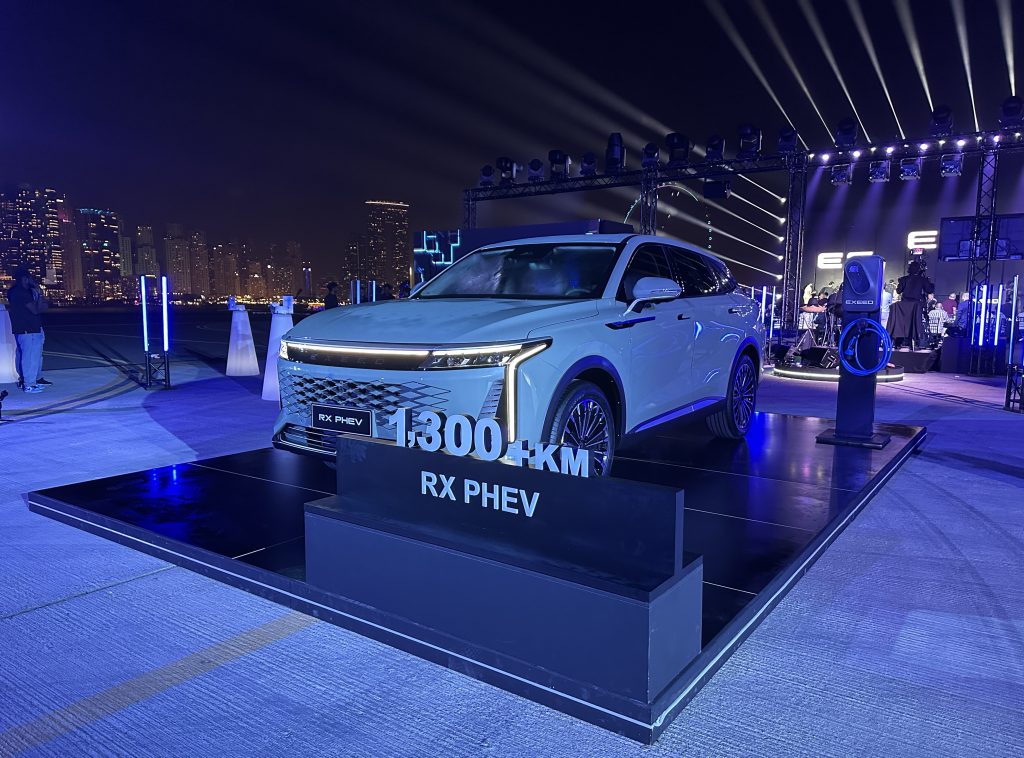
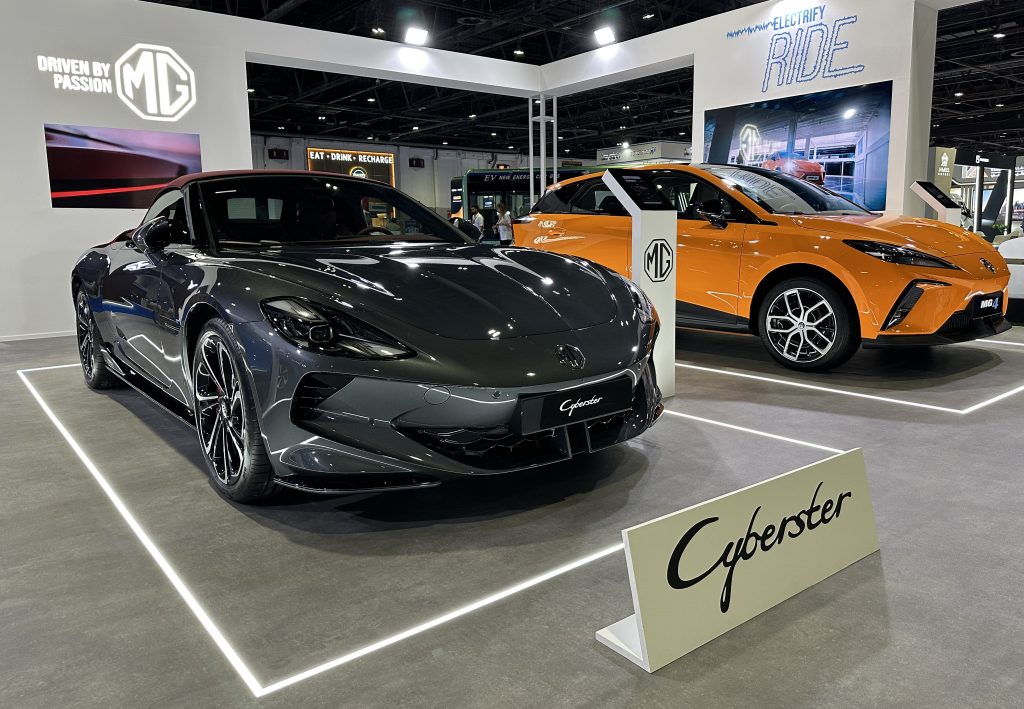
Another game changer has been electrification. EVs are on the rise, but what is truly remarkable is the wave of Chinese automotive brands entering the UAE market. We currently estimate that approximately 38 Chinese brands are already operating in the UAE, and by the end of 2025, we expect this number to increase to 50–55. This surge is reshaping the market, creating new opportunities for dealers and OEMs, and forcing traditional European manufacturers to reassess their strategy.
That is quite a surge. What is driving this “Chinese invasion” in the UAE?
Chinese brands are incredibly versatile, enabling dealers to cater to multiple customer segments. This highlights the need for dealers to be flexible in their business strategies, as the Chinese penetration has significantly altered market dynamics.
Suppose you are a dealer selling a luxury European brand for a premium price. In that case, you might consider bringing in a Chinese counterpart to target middle- or lower-income consumers, those shopping for vehicles priced under AED 70,000. Traditional European manufacturers often underserve these segments.
What is surprising is that we expected the Chinese wave to slow down this year, but it has not. Dealer interest is still accelerating. Many of them are approaching us proactively to support new brand integrations into their systems. This continued acceleration of the Chinese wave is a clear indication of the changing market dynamics and the need for dealers to adapt to the evolving landscape.
How do OEMs differ regionally compared to markets like Europe or the US?
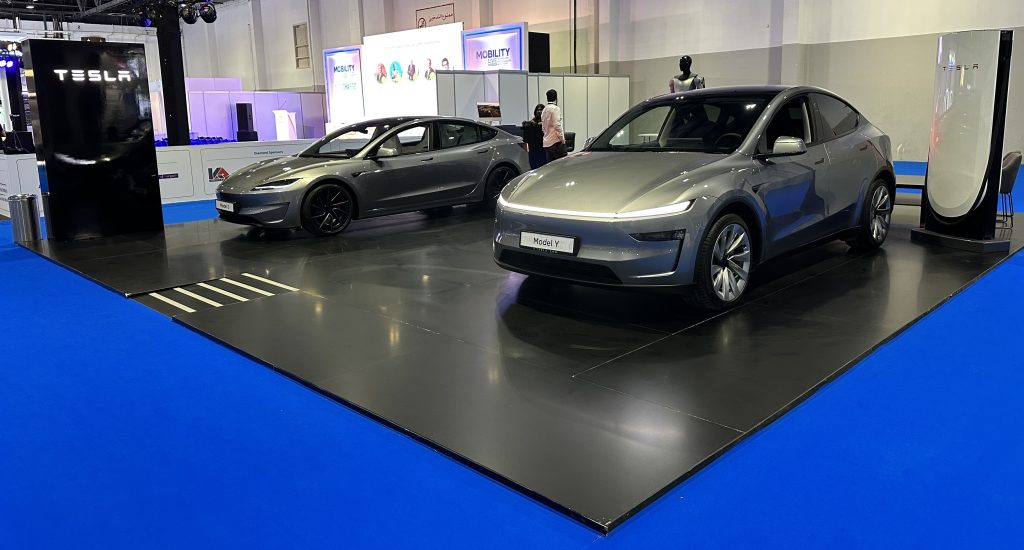
That is a great point. In Europe or the US, many OEMs operate as direct dealers—they sell and service vehicles themselves. However, in the Middle East, except Tesla, OEMs typically operate through local dealership networks—generally large, family-owned businesses.
Our solutions are tightly integrated with OEM systems. For instance, if a spare part is unavailable, our platform can help the dealer source an equivalent, OEM-approved alternative, reducing wait times and improving customer satisfaction.
Additionally, OEMs gain access to real-time market data, including service trends, parts usage, and customer behaviour, which helps them refine their inventory planning and marketing strategies.
How does Keyloop support OEMs beyond parts and servicing?
Marketing and sales are crucial to OEMs, especially those seeking to expand their market share. Our platform supports data-driven campaigns, enabling OEMs to target specific customer segments, such as luxury buyers or first-time EV adopters, with personalised messaging and offers. This comprehensive support is a testament to our commitment to the success of our partners, aiming to reassure the audience of Keyloop’s unwavering support.
This is not about lead generation. It is about creating seamless, digital-first experiences that enhance both brand perception and conversion rates for OEMs and dealers alike.
What are the technical pain points your customers come to you with? What are their challenges—on the backend or sales side?
A good question! It is a mix. For newcomers, the first step depends on the budget. They rarely invest in an end-to-end solution early in the process. They typically opt for cheaper, local solutions to test the market. However, after one or two years—once they mature—they approach us because customer experience becomes increasingly critical.
For many dealers, the challenge lies in internal readiness. Historically, dealers could easily sell cars. But with 38 new Chinese brands in the [UAE] market, competition is fierce.
You cannot expect customers to walk into the showroom as they did in the past. You need to innovate—target the right customer and personalise the message. A bulk email will not cut it. Consumers want to feel understood. This shift in consumer behaviour and market dynamics is a significant challenge that many dealers are grappling with.
That is where our solutions come in. Personalised marketing, sales intelligence—these help drive results. Dealers now realise that tech is not just a cost—it is a core business enabler.
What value do Chinese automotive brands bring to the UAE market?
Chinese brands are doing it faster because they have been manufacturing for European brands for decades. This experience has enabled them to understand and incorporate the latest technological advancements and consumer preferences into their products, providing a unique value proposition in the market.
They are not just replicating anymore—they are innovating. Their EV tech is impressive. More importantly, they target every market segment: luxury, mid-range, and entry-level.
Today, Chinese EVs can cost 30–60% less than American or European counterparts, yet come with a 7–10 year warranty. That assurance is a significant selling point, especially when buyers are wary about trying something new.
Can you comment on the EV section of the UAE market?
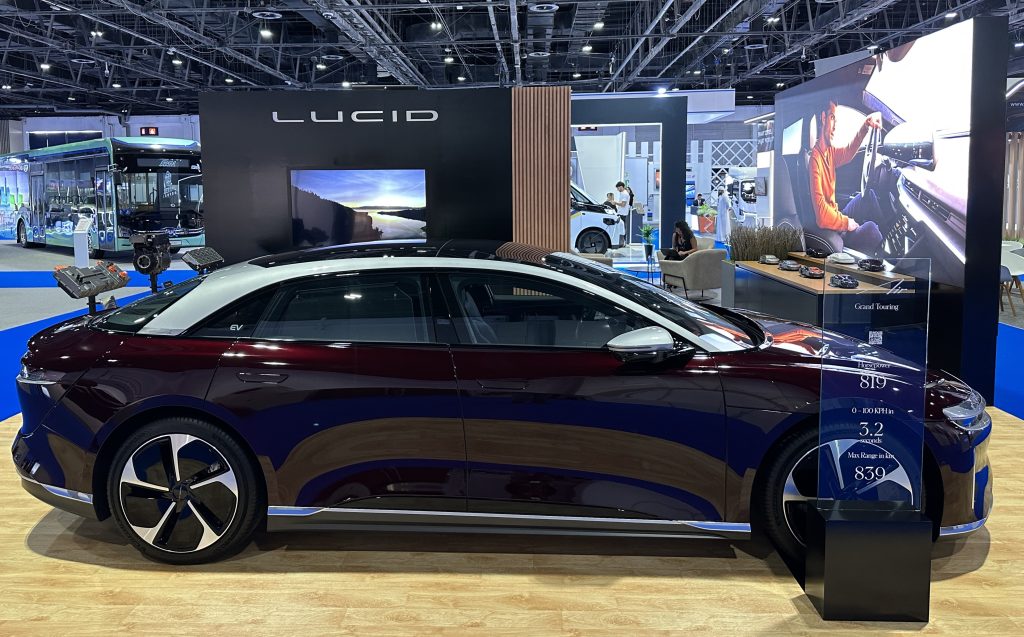
From a consumer perspective, we have observed a shift to EVs following the 2024 floods in the UAE. People want EVs, but many live in apartments and cannot charge at home. They are also hesitant about Chinese brands due to unfamiliarity or inconsistent supply.
Consumers fall into different groups. Some still love the sound of an internal combustion engine, especially in premium brands. Others are looking for practicality, tech, or cost savings.
EVs fit in perfectly where there is a green agenda and a focus on cost-consciousness. UAE fuel prices fluctuate monthly, so no petrol means significant savings. Maintenance is also cheaper.
Tech-savvy consumers, in particular, love EVs for their advanced infotainment and connectivity features. Chinese brands offer all of that—at a price point that gives consumers more choice.
Can you provide a GCC automotive market overview?
The UAE leads the region, primarily due to its robust EV infrastructure. Other GCC countries are catching up, but they still lag. Adoption is growing.
Currently, Chinese brands hold approximately 15% of the market share in the UAE. Experts expect that to double to 30% within 2–3 years. EV penetration in the UAE currently stands at approximately 14%, and we expect it to reach 20–25% in 3–5 years.
We expect to see most growth in the mid-range and entry-level segments. Luxury brands will feel less pressure because their buyers are loyal and emotionally connected to their brand. But Chinese EVs will dominate where cost and practicality matter most.
As more GCC countries build charging infrastructure, EV adoption is expected to grow beyond the UAE. The market is reshaping.
What are Keyloop’s growth plans for the region as the market continues to evolve?
Evolve—exactly. The Middle East is a critically important market for us. It has been the engine behind some of our highest global growth. Compared to other regions, the Middle East is the fastest-growing for Keyloop.
Between last year and this year, we have more than doubled our headcount in the region. And honestly, we have outgrown our office—we did not anticipate this pace. But the demand is real.
Consumers in the UAE have strong purchasing power, and upon examining car life cycles, it becomes apparent that people in the UAE typically change their cars every 3 to 5 years. That is far shorter than in Europe or North America, where it is 7 to 10 years or more. This creates more opportunities for dealers—and by extension, for us.
Yes, we are growing by double digits year-over-year, and we are investing more in the Middle East than in any other market. Our investments are primarily in digital. We are focused on helping dealers digitise the whole customer journey—from lead generation to sales and after-sales. It is all about helping them acquire more customers, operate efficiently, and drive profitability.
What is next for Keyloop?
We will continue to invest in expanding Fusion ARP and integrating more third-party tools that benefit retailers. As the GCC region evolves—especially with the advent of EVs and new entrants like Chinese manufacturers—we are positioning ourselves to remain at the heart of that transformation.
We are here to digitally empower automotive retail in the Middle East, just as we have done for the past two decades.
Hero image: Monzer Tohme, Managing Director (Sales) of Keyloop for the Middle East and Africa. Credit: Arnold Pinto