Across the MEA region
MyCrane Trading, a Dubai-based heavy equipment firm, has finalised a $50 million investment agreement with an investment holding company headquartered in the Dubai International Financial Centre.
The funding will support MyCrane Trading’s regional and global expansion in crane sales, leasing, and maintenance.
Operating out of Jebel Ali Free Zone, MyCrane Trading aims to tap into the growing demand for heavy-lifting equipment in the Gulf Cooperation Council (GCC), North Africa, and Asia.
MyCrane Trading was formed as a physical extension of the MyCrane platform, an online crane rental marketplace that has been operating in over 20 countries since its launch in 2021.
With the new investment, MyCrane Trading will integrate a physical inventory of cranes with MyCrane’s digital user base. The goal is to create a streamlined system for purchasing and renting cranes, particularly for infrastructure and energy projects across emerging markets.
The product lineup will include various crane types, such as all-terrain, crawler, rough-terrain, and tower cranes, with each unit supported by verified inspection reports and safety documentation. These offerings will primarily serve construction and logistics sectors, where heavy-lift capabilities are critical.
Market demand
According to research firm ResearchAndMarkets, the global crane market is projected to grow at a compound annual growth rate of 5.2% through 2030. In the Middle East and Africa, growth is being driven by increased investment in transport infrastructure, smart cities, and oil and gas facilities.
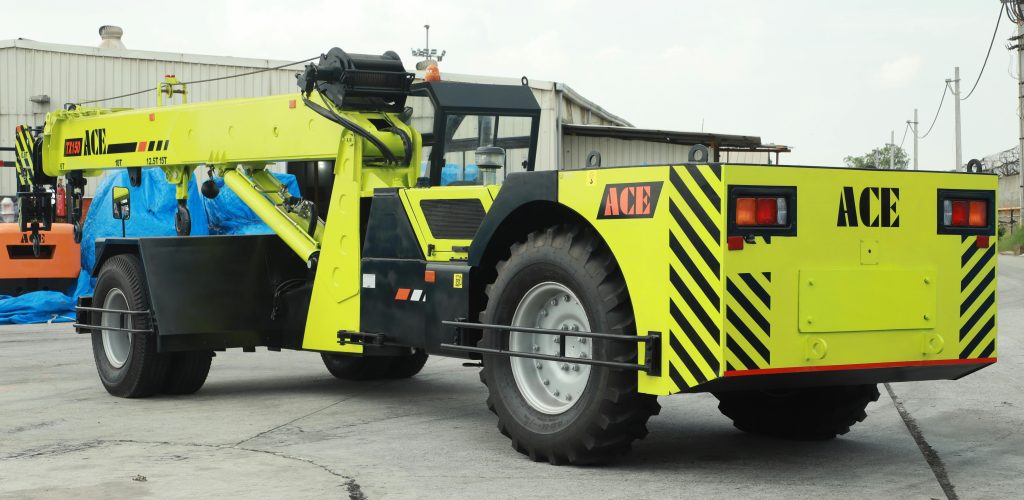
Crane procurement in the Middle East and Africa region remains fragmented, with many contractors relying on personal networks or informal dealers. MyCrane Trading’s entry aims to bring transparency and consistency to this process by linking verified equipment sellers to buyers via digital listings backed by physical inspection.
Andrei Geikalo, Founder of MyCrane and CEO of MyCrane Trading, said: “We have seen rising global demand for both new and used cranes, and growing appetite from asset owners to monetise surplus equipment.”
He added: “With MyCrane Trading as a key partner, we can now respond directly to this demand by instantly connecting sellers with the rental platform’s thousands of fleet-owning users, many of whom have urgent purchase needs.”
The business intends to scale up quickly, with a focus on exporting cranes from the Gulf to other developing regions, including sub-Saharan Africa and Central Asia. Geikalo noted that the combination of online sourcing, verified documentation, and customer support allows buyers to secure machines “at the best possible prices.”
Regional growth
The UAE, Saudi Arabia, and Qatar are among the region’s top markets for cranes, driven by high volumes of construction activity. The GCC is expected to spend over $1.36 trillion on infrastructure projects by 2030, according to GlobalData.
MyCrane Trading has appointed a dedicated management team to lead its operations. Sudheesh Mohan has been named head of sales and marketing, while Mina Asham will oversee tower crane sales. Both executives are based in Dubai, underlining the company’s commitment to market engagement in the GCC.
Sales Director Ashishkumar Tiwari said: “MyCrane Trading combines the efficiency and reliability of our digital marketplace with a physical base at Jebel Ali Free Zone. Every crane is carefully sourced, with full documentation and inspection available.”
MyCrane Trading also plans to offer trade-in options for surplus equipment, aiming to reduce downtime for customers requiring urgent replacements or upgrades. The strategy reflects a broader trend in the region toward lifecycle management of machinery, driven by cost pressures and tighter project timelines.
Industry outlook
The MyCrane Trading launch is expected to add further momentum to digital transformation in the heavy machinery sector, a market that offline transactions have traditionally dominated. Its entry into the regional market may also pose a challenge to long-standing equipment dealers operating in the Gulf and North Africa.
Analysts see the integration of physical and digital assets as a logical step to improve transparency and operational efficiency in a sector that remains fragmented and underserved across much of the Middle East and Africa.
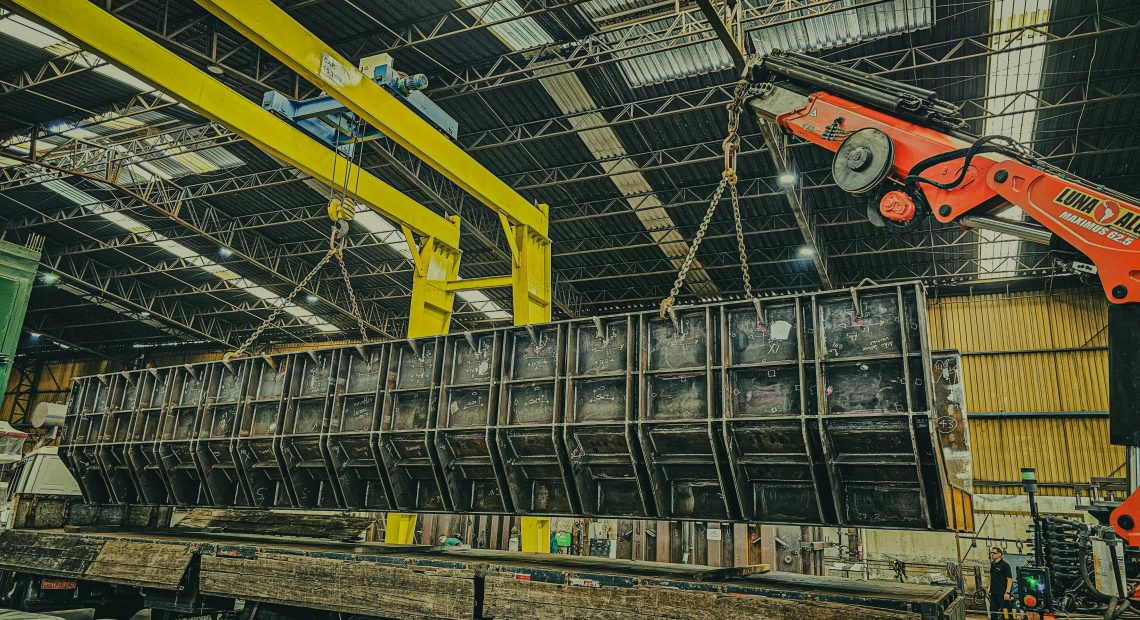
Hero image: The global crane market is projected to grow at a compound annual growth rate of 5.2% through 2030. Credit: Felipe Silva