Global vaccine push gains ground
Nepal has officially eliminated rubella as a public health threat, the World Health Organization (WHO) confirmed on August 18, 2025. The announcement comes after more than a decade of expanded vaccination efforts and health surveillance reforms across the Himalayan nation.
The WHO’s South-East Asia Regional Verification Commission reviewed surveillance data, immunisation coverage, and progress reports submitted by Nepal’s National Verification Committee. Following the review, the Commission verified that Nepal had successfully interrupted transmission of the rubella virus.
Rubella, also known as German measles, is a highly infectious viral disease that poses serious risks to pregnant women. Infection during pregnancy can cause miscarriage, stillbirth or congenital rubella syndrome, which leads to permanent disabilities such as hearing loss, heart defects, and developmental delays in newborns. The virus, however, is preventable with vaccines.
Nepal becomes the sixth country in the WHO South-East Asia Region to achieve rubella elimination, joining Bhutan, Democratic People’s Republic of Korea, Maldives, Sri Lanka and Timor-Leste. The region aims to eliminate both measles and rubella by 2026, a target revised after delays caused by the Covid-19 pandemic.
Nepal introduced the rubella-containing vaccine into its national immunisation programme in 2012, targeting children aged 9 months to 15 years. The country added a second dose to its routine vaccination schedule by 2016. Nationwide campaigns in 2012, 2016, 2020 and 2024 expanded access to the vaccine, even amid public health challenges including two major earthquakes and the pandemic.
By 2024, more than 95 per cent of Nepalese children had received at least one dose of the rubella vaccine, according to government data. Health officials credit this coverage level for interrupting community transmission.
Nepal also adopted measures to reach children who had missed earlier vaccinations. These included community outreach during “immunisation months” and incentives for districts to be declared “fully immunised”. Additionally, Nepal became the first country in the South-East Asia Region to introduce a new laboratory testing algorithm to strengthen disease surveillance.
The WHO said Nepal’s verification process included a review of rubella surveillance quality and the absence of endemic transmission for at least three years. Surveillance had to be sufficiently sensitive to detect and investigate suspected cases across all provinces.
Speaking in New Delhi, Dr Catharina Boehme of the WHO South-East Asia office said rubella elimination in Nepal reflects a decade of sustained efforts by the country’s health system, volunteers and the public. She noted that strong national leadership and technical coordination had been key to the result.
Nepalese Health Minister Pradip Paudel acknowledged support from international partners but emphasised the national programme’s role. He said rubella elimination was achieved ahead of the region’s revised target and called on stakeholders to maintain support to prevent any resurgence of the virus.
Global health data show that rubella elimination remains a challenge in many countries. According to WHO figures, approximately 100,000 children are born each year with congenital rubella syndrome globally. Most cases occur in countries with low vaccine coverage.
Middle Eastern and African countries are also pushing to increase routine immunisation rates. According to Unicef and Gavi, only 65 per cent of children in low-income countries in sub-Saharan Africa currently receive the rubella vaccine. By contrast, countries such as the UAE and Bahrain have long maintained vaccine coverage rates above 95 per cent, aligning with WHO targets for disease elimination.
Nepal’s milestone adds momentum to regional goals and could offer a model for countries with limited resources. With the WHO extending the deadline for regional rubella and measles elimination to 2026, Nepal’s achievement may provide both a roadmap and a benchmark.
The WHO first set the rubella elimination target for the South-East Asia Region in 2013. After setbacks during the pandemic, member states agreed in 2024 to extend the goal to 2026. Progress across the region remains uneven, with countries like India still reporting sporadic outbreaks.
For now, Nepal’s status stands as a significant step forward in the global campaign to end vaccine-preventable diseases.
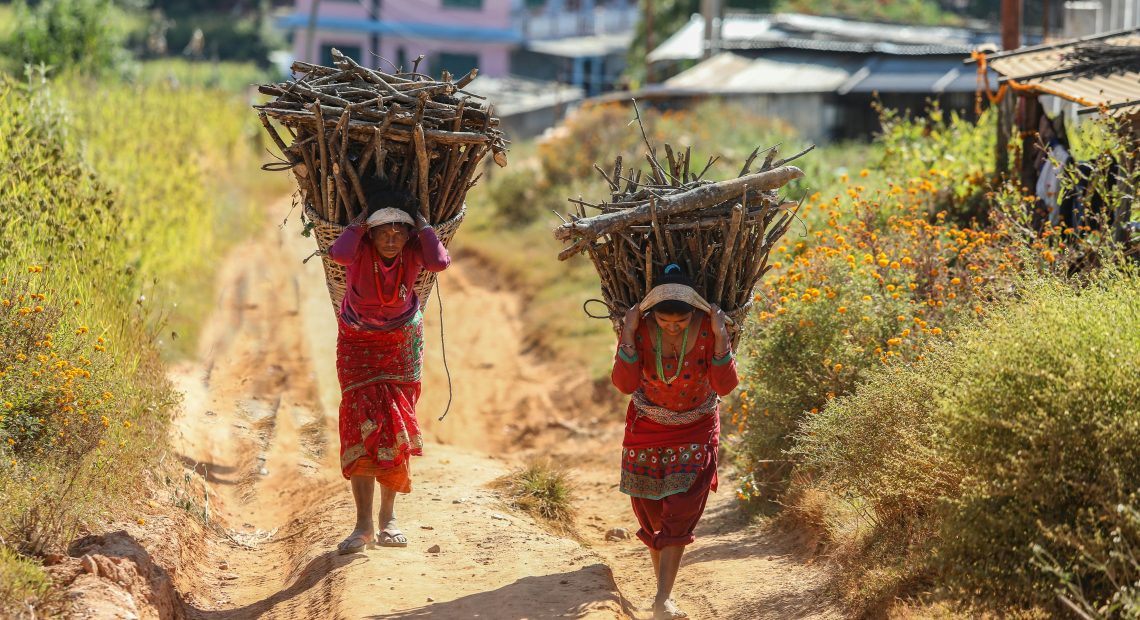
Image: Nepal introduced the rubella-containing vaccine into its national immunisation programme in 2012, targeting children aged 9 months to 15 years. Credit: Volker Meyer