
Global reveal on June 17, 2025
Nissan has outlined the capabilities of its third-generation Leaf electric vehicle (EV), focusing on speedier charging, enhanced route planning, and expanded energy-sharing features ahead of the model’s full reveal on June 17, 2025.
The new Leaf integrates an updated route planner linked with Google Automotive Services. This system identifies charging points along a journey, designed to ease driver concerns about range limitations. Nissan says this addresses one of the main obstacles to EV adoption, particularly in regions with developing charging infrastructure, such as parts of the Middle East and Africa.
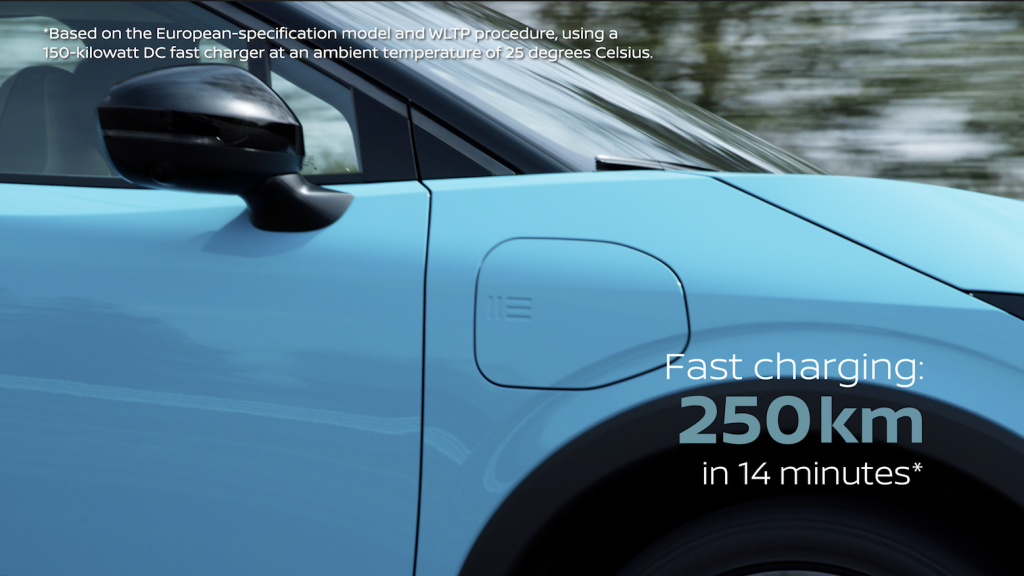
The vehicle supports rapid charging, offering up to 250 kilometres of range in 14 minutes when connected to a fast charger. The system also features a function that adjusts battery cooling according to the predicted driving load. This adjustment is intended to maximise efficiency during trips involving less demanding conditions, such as level terrain or steady-speed freeway travel.
In hot climates, such as those found in the Gulf region, the system may relax battery temperature thresholds temporarily during charging if upcoming driving conditions are expected to be mild. This could enable quicker charging and reduced energy consumption, both of which are critical in areas with high summer temperatures and growing interest in electric transportation.
The vehicle supports Plug and Charge functionality and complies with the North American Charging Standard in relevant markets. This allows drivers to charge their cars without requiring physical payment authentication, streamlining the process.
Nissan has also expanded the Leaf’s Vehicle-to-Load capabilities. In applicable markets, users can power electronic devices through internal and rear cargo area outlets with a combined output of up to 1,500 watts. These features support use cases such as camping or remote work, reflecting broader trends toward integrating electric vehicles (EVs) into daily life beyond commuting.
Additionally, the Leaf continues to support Vehicle-to-Home functionality in markets like Japan. This system enables the car to discharge electricity into a household, serving as a temporary energy source during outages or periods of high demand. It also allows solar energy to be stored in the vehicle’s battery for later use.
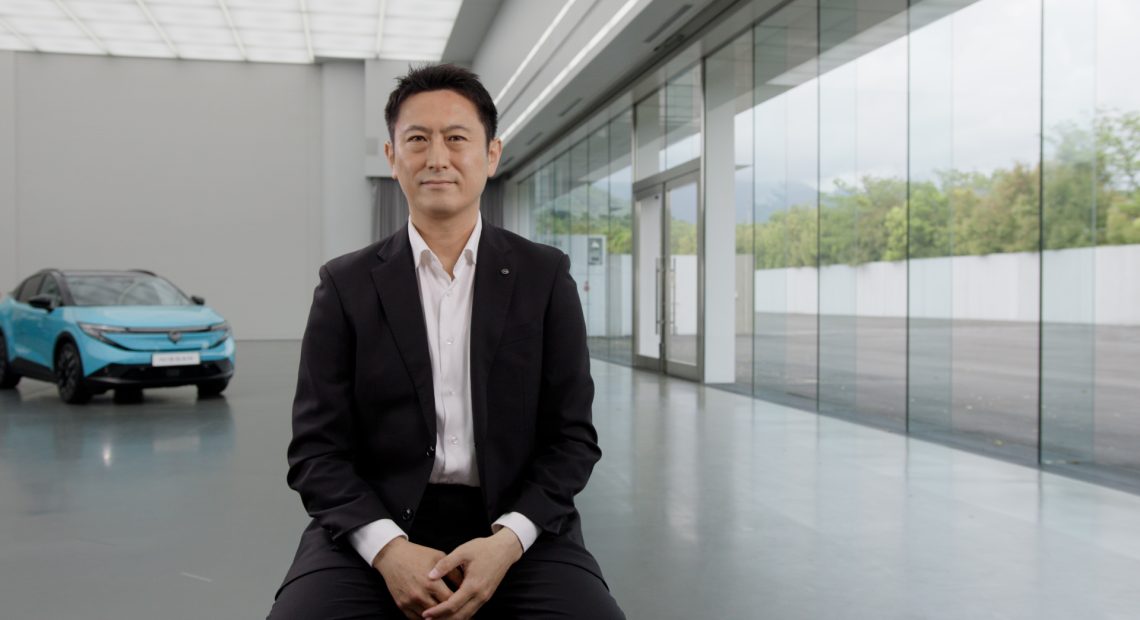
Keiji Endo, Chief Planning Specialist at Nissan, stated that such vehicle-to-everything (V2X) systems could help balance energy supply and demand, particularly as countries increase their investments in renewable energy. He noted that EVs can serve dual purposes—providing transportation while contributing to energy infrastructure resilience.
As the Middle East moves toward achieving its sustainable energy goals, these developments may gain growing relevance. Countries such as the UAE and Saudi Arabia have introduced national strategies to expand EV adoption and smart grid infrastructure. The Leaf’s energy-sharing capabilities could support such initiatives, particularly in residential areas experimenting with solar power integration.
Nissan has not yet confirmed when the new Leaf will be available in international markets, including the Middle East. Pricing and regional specifications are also expected to be announced during the full reveal scheduled for June 17, 2025.
The Leaf has been one of the world’s most widely adopted electric vehicles since its original release in 2010. With EV competition increasing globally, automakers are focusing not only on range and cost but also on how electric cars interact with broader energy systems. Nissan’s updated Leaf is part of this shift, offering features that reflect both technological advancement and changing consumer needs.
As climate policies tighten and energy costs fluctuate, especially in oil-exporting economies exploring diversification, features such as bidirectional charging and intelligent route planning are likely to play a larger role in consumer decisions across the region. The Leaf’s next iteration may contribute to this transition.
Hero image: Keiji Endo, Chief Planning Specialist at Nissan, says EVs can serve dual purposes—providing transportation while contributing to energy infrastructure resilience. Credit: Nissan