

From January 1, 2028
Oman has issued a royal decree to introduce a personal income tax, making it the first Gulf Cooperation Council (GCC) nation to impose such a levy.
A flat 5 per cent rate will apply to individuals earning more than OMR 42,000 ($109,091 / AED 401,142 / SAR 409,671 / KWD 33,407 / BHD 41,202 / QAR 397,667) annually.
The tax is scheduled to take effect on January 1, 2028, and is expected to affect approximately 1 per cent of the country’s population.
The decree forms part of Oman’s Vision 2040 economic roadmap and its medium-term fiscal strategy, launched in 2020 to reduce public debt, diversify government revenues and promote financial stability. Revenues from oil and gas currently account for between 68 % and 85% of public income, making fiscal reform a priority.
The new tax system includes social and economic safeguards. There are exemptions and deductions for healthcare, education, housing, inheritance, zakat (a mandatory form of charitable giving in Islam) and philanthropic donations.
The tax regime comprises 76 articles across 16 chapters, and executive regulations are anticipated to be published within one year of the regime’s publication in Oman’s Official Gazette. Oman’s tax authority is preparing an electronic system linked to other government databases to ease compliance.
The measure is projected to raise non-oil revenue to between 15 per cent of GDP by 2030 and 18 per cent by 2040, supporting public spending and social welfare.
A significant shift
Oman is the first GCC country to introduce a personal income tax, marking a significant shift in a region that has traditionally offered zero-tax regimes to attract skilled overseas workers, mainly from Southeast Asia. Observers note the move could influence other GCC states. However, none have announced similar plans yet.
Experts suggest that while the initiative primarily affects top earners, Omani residents and expatriates who pay tax may begin to demand stronger accountability and public services. This aligns with broader themes across the Arabian Gulf, where increased fiscal contributions often spark calls for greater transparency.
Oman’s economy is experiencing gradual diversification and moderate growth, supported by non-hydrocarbon sectors and prudent fiscal management.
Real GDP growth increased to 1.7% in 2024, up from 1.2% in 2023, driven by growth in manufacturing, services, logistics, and tourism. The International Monetary Fund projects growth of 2.4% in 2025 and 3.7% in 2026 as oil production eases Opec curbs.
Inflation remains subdued, at under 1%, and the fiscal surplus reached approximately 3.3% of GDP in 2024, although it is expected to narrow during 2025 and 2026.
A Dubai-based economist said the tax is modest by global standards but represents a key shift in how GCC states finance growth. He added that the move demonstrates Oman’s willingness to break with tradition.
The Omani government expects the impact on foreign investment to be minimal, as the tax targets individuals rather than companies. The rate remains low compared to global averages.

Oman has previously implemented indirect taxes, including VAT in 2020, as well as corporate tax. As global pressures on oil markets persist, some Gulf countries, including the UAE and Saudi Arabia, may follow Oman’s lead in exploring a limited income tax on high earners.
The Omani tax authority stated that the exemption threshold is deliberately high to minimise the burden on retirees, low-income earners, and middle-income households. The Omani government also intends to educate taxpayers and businesses in advance of implementation, ensuring that necessary systems and regulations are in place to facilitate a smooth transition.
As Oman prepares to pilot this landmark reform, Gulf observers will closely monitor whether the long-held tax-free model of the Gulf oil economies reaches its limits and if personal income tax becomes a wider regional tool amid declining hydrocarbon revenues.
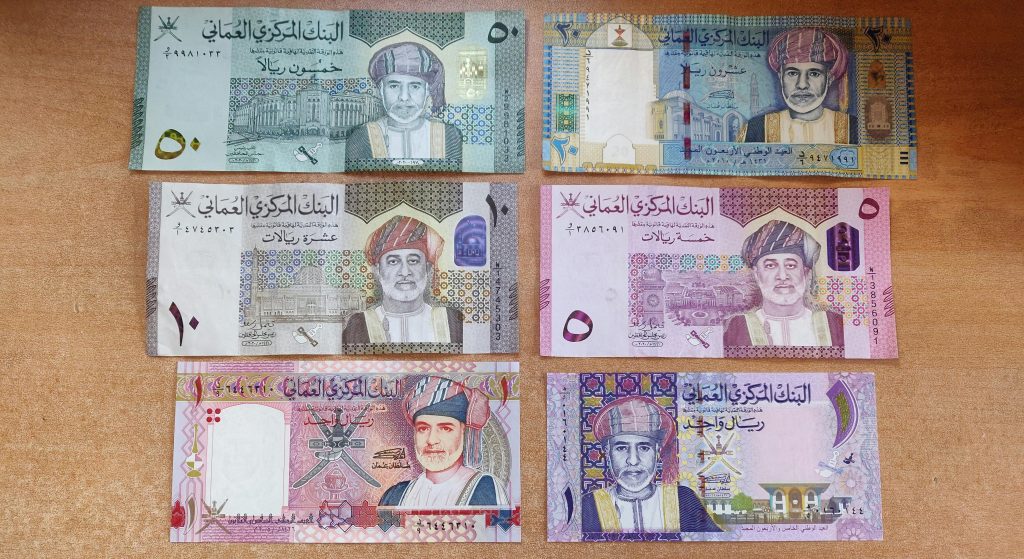
Image: Oman is the first GCC nation to impose a personal income tax levy. Credit: Rayyan