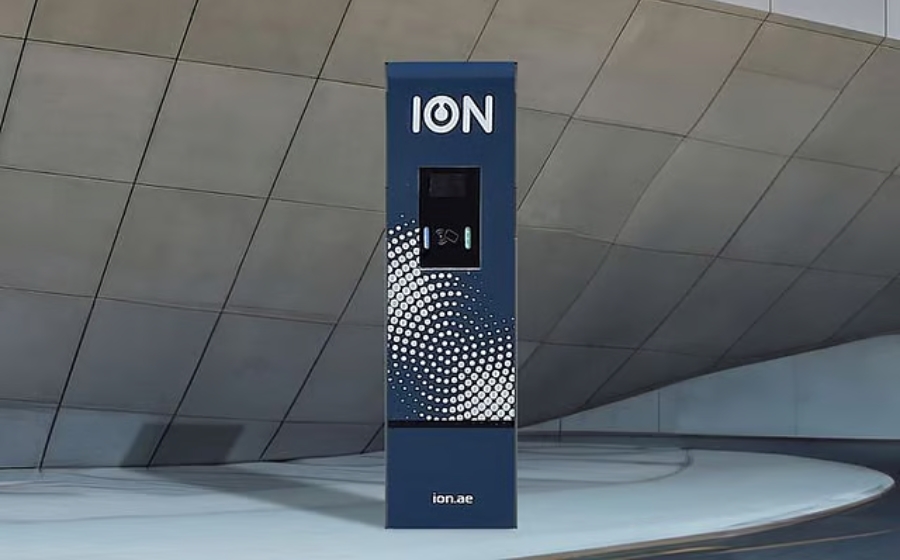
Photo Credit : Gulf News
Sharjah has rolled out a new law regulating electric vehicle (EV) charging infrastructure, introducing standard pricing, licensing requirements, and penalties reaching up to Dh10,000 as part of its push toward sustainable transport.
The regulation, issued under Executive Council Resolution No. 15 of 2026, applies across the emirate, including free zones and private developments. It requires all operators and users to follow strict compliance measures.
Authorities have made it clear that installing or operating EV charging stations without prior approval is prohibited. Violators face fines of up to Dh10,000, while failure to meet approved safety and technical standards can result in penalties of Dh5,000.
Standard pricing and waiting charges
The new framework introduces unified tariffs across Sharjah. Slow AC charging is set at Dh0.7 per kilowatt-hour, while fast DC charging costs Dh1.2 per kilowatt-hour, both excluding VAT.
Motorists are given a 10-minute grace period once charging is complete. After that, a waiting fee of Dh2 per minute applies, capped at 60 minutes. Vehicles left connected beyond this window may face additional fines of up to Dh1,000.
Rules for public and private charging stations
Public charging stations must be installed in accessible locations and distributed fairly across the emirate. They are required to include digital payment systems, remote monitoring, and clearly marked EV-only parking spaces.
Private property owners and developers are allowed to install charging points within their premises, but only after securing the necessary approvals and meeting technical standards.
Penalties for misuse and violations
The law also targets misuse of EV infrastructure. Non-electric vehicles occupying EV charging spaces or blocking access will be fined Dh1,000. Damaging charging equipment carries a Dh2,000 penalty, in addition to repair costs.
Authorities confirmed that Sharjah Police can impound any vehicle — electric or otherwise — left in EV charging spaces for more than 24 hours, with owners required to pay towing and storage fees.
Multi-agency oversight
The rollout of the regulation will be overseen by multiple government bodies, including Sharjah Roads and Transport Authority, Bee’ah Group, Sharjah Electricity Water and Gas Authority, municipalities, and the Department of Economic Development.
Officials said the framework allows authorities to introduce further technical guidelines to maintain safety standards, improve service quality, and support the emirate’s growing EV infrastructure.