
New focus on ceramic design and architectural practices
The 24th edition of the Tile of Spain Awards has officially opened for submissions, featuring a new format that highlights a broader spectrum of ceramic design and architectural practices, amid growing interest from professionals in the Middle East and North Africa (MENA) region.
The annual awards, organised by the Spanish Ceramic Tile Manufacturers’ Association (ASCER), aim to promote the innovative use of Spanish ceramic materials in architecture and interior design.
This year introduces new subcategories within both the Architecture and Interior Design segments, allowing the jury to recognise more diverse uses of ceramic tile technologies and styles.
Architects and designers from around the world—including a rising number from Gulf countries—are eligible to participate, provided their projects incorporate ceramic tiles made by ASCER member companies. The deadline for submissions is October 20, 2025.
All projects must be completed works and must use ceramic materials manufactured by ASCER member companies.
Wider recognition
In a major structural update, both professional categories have been split into two subgroups based on the material type used. Projects featuring dry-pressed porcelain tiles will be judged separately from those using materials such as extruded stoneware, wall tiles, terracotta, and mosaics.
This move expands the total number of awards from two to four, with €8,000 in prize money allocated for each winning project across the four subcategories: A-a, A-b, I-a, and I-b. A separate €3,000 prize will be awarded to the best submission from architecture students in the Final Degree Project category (MTP).
Jury oversight
The jury this year is chaired by Julio Touza Rodríguez, an architect and urban planner with over 50 years of experience and more than 2,700 projects completed globally, including several in Saudi Arabia and Abu Dhabi. He is recognised for his expertise across various sectors, including hospitality, corporate, and residential development.
The judging panel also includes Martín Lejárraga, a Spanish architect with an interest in the expressive potential of ceramic materials, and Carmen Baselga, an interior designer known for her work on international projects, including a showroom in New York.
Antonio Jesús Luna, editor of ROOM Diseño magazine, and Susana Babiloni, president of the Castellón Architects’ Association, round out the jury. Their collective expertise spans design theory, urban planning, and digital publishing, offering a cross-disciplinary perspective on contemporary uses of ceramic materials.

The judging will take place in November 2025 in Castellón, the hub of Spain’s ceramic tile industry. Winning projects are expected to be announced shortly after.
Ceramics have long played a prominent role in architectural traditions across the MENA region, from Moroccan zellige to Emirati courtyard mosaics. As Gulf states continue to invest heavily in urban development and cultural infrastructure, participation in international platforms like the Tile of Spain Awards may serve to highlight regional innovation while aligning with sustainability and heritage-preservation goals.
According to data from Mordor Intelligence, the Middle East ceramic tiles market is expected to grow at a compound annual rate of 6.2% through 2028, driven by rising demand for premium materials in both residential and commercial construction.
Regional interest
Middle East designers have increasingly gained recognition in international architecture and design competitions, driven by a surge in cultural institutions, hospitality projects, and expert-planned developments across the UAE, Saudi Arabia, and Qatar.
With regional governments pushing for greater local content in public works, there is a rising demand for creative applications of traditional materials in modern contexts. Spanish ceramic tiles, renowned for their exceptional quality and versatility, remain a prominent feature in regional projects—from high-end villas in Dubai to hospitality complexes in Riyadh.

According to the UAE’s Ministry of Economy, the country imported over $163 million worth of ceramic products from Spain in 2024, a 7% increase from the previous year. This growth is in line with the broader demand for high-spec construction materials across the Gulf.
While the Tile of Spain Awards are not tied to commercial outcomes, industry observers say recognition in the programme often leads to increased visibility, new commissions, and collaborations. Winners from past years have gone on to present their work at international architecture biennales and design weeks.
Ceramic futures
Despite the awards’ Spanish origins, the inclusion of international jurors and global project submissions has positioned the programme as a showcase of contemporary design practice beyond Europe. The focus on material-driven categories may resonate with MENA-based architects who are exploring ceramics not just for surface aesthetics, but for structural, cultural, and environmental reasons.
“Ceramics are part of our architectural DNA,” said a Dubai-based architect who previously submitted to the awards and asked not to be named. “Programmes like this are a way to learn from others while putting our regional identity on the map.”
Organisers say the changes introduced in this year’s edition aim to better reflect the complexity and versatility of ceramics in design today. With increased award categories and heightened interest from emerging markets, the Tile of Spain Awards may see broader global engagement, including from the rapidly evolving design scenes of the Middle East.
The Regional Ministry of Finance of the Generalitat Valenciana supports the Tile of Spain Awards competition.
Full submission guidelines and registration: www.tileofspainawards.com
For more information: [email protected]
About ASCER
ASCER represents and advocates for the interests of its member companies before public institutions and key decision-makers. Established in 1977, ASCER brings together over 100 ceramic tile manufacturers, accounting for approximately 95% of Spain’s total production—making it one of the country’s most influential industry associations.
Headquartered in Castellón de la Plana, ASCER is at the heart of Spain’s ceramic tile industry, which is concentrated in this region and forms a dynamic industrial cluster. The sector is renowned for its strong focus on innovation and global reach, with products exported to over 180 countries.
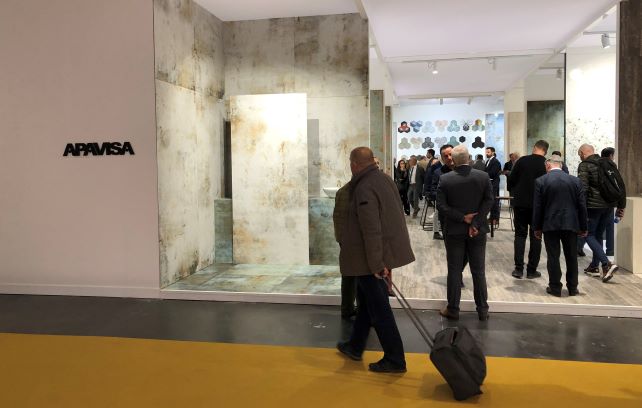
Hero image: Spanish ceramic tiles, renowned for their exceptional quality and versatility, remain a prominent feature in regional projects—from high-end villas in Dubai to hospitality complexes in Riyadh. Credit: Exagres