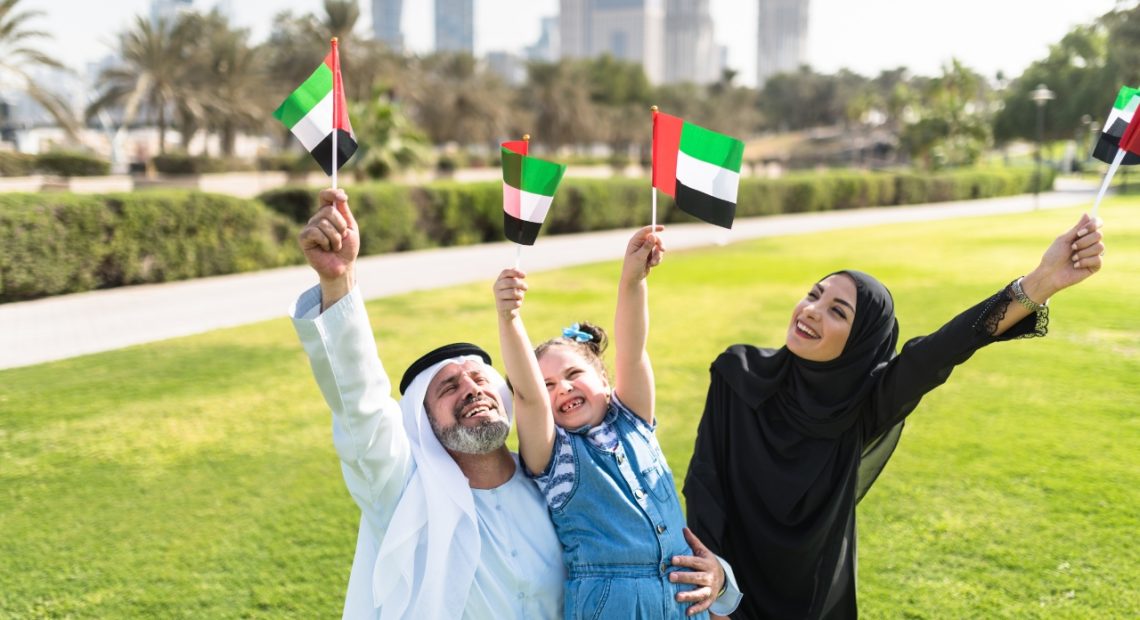
In the UAE, the United Arab Emirates is known for its abundant cultural heritage, and traditional clothing remains one of the strongest expressions of that legacy. From Emirati clothes that act as a symbol of identity and history to styles that reflect social values, every piece carries a unique story. The flowing kandura worn by men and the graceful abaya worn by women are more than simple garments; they hold deep cultural meaning while adapting to modern trends. This traditional dress reflects the culture, honor, and immense pride of Emiratis, with deep roots in religion and local traditions. Across the Arabian Peninsula, you may notice similar clothes, but minor differences become obvious to a trained eye. In my experience, Emirati clothing beautifully represents modesty through carefully designed clothing items that connect the heart of the nation to its people. It serves as a powerful bridge between a storied past and a dynamic future, linking generations while offering essential protection from the harsh desert sun. These styles reflect deep-rooted values, grace, and respect, whether a visitor admires a crisp white robe or a flowing black cloak. Every stitch tells part of the nation’s history, balancing modernity, innovative fabrics, and global fashion trends, while the core silhouette of traditional clothes remains unchanged.
Men’s Traditional Clothing
Among the Emirati men of the UAE, traditional clothes are designed to provide both comfort and practicality in harsh desert conditions. From my experience studying local traditions, this style of clothing reflects more than daily wear, as it represents culture, identity, heritage, and strong cultural affiliation. For many Emirati men, their traditional attire is closely connected to the desert climate, offering comfort wear while also expressing social status, status, and cultural status within the community. These garments have remained an important part of desert life, preserving the values and traditions that define the nation’s unique cultural character.
Kandura (Dishdasha / Thawb)
The kandura is one of the most recognized traditional clothes for Emirati men in the UAE. This long white robe is worn traditionally and is designed to keep the body cool in extreme heat, making it practical for a daily basis. From my experience, the comfort of cotton and lightweight cloths makes a noticeable difference, especially during warmer months. In recent days, the robe is available in different Color options such as white, cream, and light grey, while the Length remains full-length, reaching the ankle or near the foot. The preferred Fabric includes cotton and lightweight blends, offering both comfort and style. As part of Emirati clothing, it is commonly worn with a ghutra headscarf secured by an agal, a black cord, completing the traditional look for men.
Ghutra and Agal
The ghutra is a square headed scarf that is commonly worn as part of UAE traditional clothing. It is often seen in white, red, checked, or red and white checked styles and is carefully tied in the correct position for comfort and appearance. From my experience observing local customs, the agal, a black cord, plays an important role in keeping the ghutra secure, especially in the strong sun and blowing sand of the region. This practical use is also a source of cultural pride and reflects a long-standing tradition that continues to be valued across the UAE.
| Garment | Material | Color | Occasions |
| Kandura | Cotton / Linen | White / Cream | Daily wear, formal events |
| Ghutra | Cotton / Silk | White / Red-White | Everyday, weddings, official meetings |
| Agal | Wool / Synthetic | Black | All formal and traditional occasions |
Bisht
A Bisht is a respected ceremonial cloak often worn over a kandura during special events and important occasions. From my experience of observing traditional Emirati attire, it is commonly seen at weddings, religious festivals, and official meetings, where it reflects both prestige and power. Crafted from high quality wool or fine camel hair, this elegant garment adds a distinguished touch to traditional dress while preserving the cultural heritage of the UAE.
| Garment | Material | Color | Significance |
| Bisht | Wool / Camel Hair | Black, Brown, Beige | Formal ceremonies, royalty, dignitaries |
Women’s Traditional Clothing
For Emirati women, dressing is much more than choosing what to wear each day. It is a meaningful expression of culture, heritage, and personal identity that has been passed down through generations. Traditional clothing is admired for its elegant appearance and modest style, offering comfort while preserving cultural values. Many garments feature detailed embroidery, decorative patterns, and carefully crafted finishes that highlight the skill of local artisans. These artistic elements add beauty and uniqueness to each piece, making traditional attire stand out on both special occasions and everyday gatherings. The background of these clothing styles is deeply connected to the history and customs of the UAE, with influences shaped by the environment and traditions of the region. Through every fabric choice, design, and decorative detail, Emirati fashion continues reflecting a strong sense of pride, belonging, and respect for cultural heritage.
Abaya
The abaya is a flowing robe that reflects both modesty and elegance in UAE society. Traditionally seen in black or conventional black, it is now available in different color options such as navy, brown, and other light shades to match personal style and changing fashion trends. A modern abaya is often decorated with embroidery, sequins, lace, and lacy fabrics, giving the robe a more elegant appearance while maintaining comfort. From my observation, the choice of material plays a major role in its usage, with crepe, chiffon, and silk being popular fabrics because they are comfortable, modest, and suitable for daily clothing. Whether worn as normal clothing or for special occasions, the abaya combines fashion, style, decoration, attractive designs, beautiful shades, and practical comfort, making it an important part of traditional clothing today.
Sheila
The sheila is an important part of traditional clothing for women in the UAE. This elegant long scarf is worn as a headscarf and is mainly used for covering the hair, as it hides hair while also helping to hides shoulders for added modesty. In my experience observing UAE cultural wear, the sheila is both a practical part of daily attire and a beautiful fashion statement that reflects local fashion. During special events and family events, many women choose styles with embroidered sides, detailed embroidery, and other embroidered designs. While black is common, some sheilas also feature bright colors and attractive colors, making them a stylish expression of identity while maintaining a modest appearance that respects local traditions and values.
Traditional Dresses (Kandura for Women)
Among Emirati women, traditional dresses remain an important expression of Emirati culture, blending elegance with deep-rooted values. These colorful traditional dresses are often enhanced with intricate patterns, detailed embroideries, and beautiful decorative patterns, making them popular for festivals, cultural events, and other cultural celebrations. From my observation at local gatherings, embroidered dresses paired with gold items and stunning gold jewelry not only reflect personal status but also honor tradition and preserve cultural heritage. As a key part of women’s attire, this traditional clothing continues to influence traditional fashion, serving as cherished heritage clothing and preferred festive wear for special occasions.
| Garment | Material | Color / Style | Occasions |
| Abaya | Crepe / Silk / Chiffon | Black, navy, brown | Daily wear, formal, work |
| Sheila | Silk / Cotton | Black, dark colors, embroidered | Daily wear, weddings, religious events |
Occasions and Cultural Significance
In the UAE, Emirati traditional clothes are more than just clothing because they reflect identity, history, and pride. Depending on the occasion, social status, and region, there are various ways of wearing different pieces of traditional attire. The kandura and abaya are commonly worn daily, while the bisht, often embroidered with elegant patterns and detailed embroidery, is reserved for special occasions. From weddings and national holidays to community celebrations, people proudly choose cultural wear, formal dress, ceremonial clothing, heritage clothing, and festive wear that showcase the beauty of Emirati fashion. From my experience observing UAE celebrations, these garments continue to connect modern generations with long-standing traditions while maintaining their cultural value.
National Day and Festivals
During UAE National Day and Eid, festivities bring people together as women and men proudly dress up in traditional clothing that reflects Emirati culture and deep-rooted cultural heritage. From my experience observing national celebrations across the UAE, traditional attires and elaborated traditional attires often stand out because of their detailed embroidery, shimmering gold threads, and luxurious rich fabrics. These beautiful clothes are more than just festive wear or traditional fashion; they represent cultural pride, preserve heritage, and help pass important traditions through generations, keeping the spirit of UAE National Day and other special occasions alive.
Weddings and Formal Gatherings
At an Emirati wedding or formal party, the focus is often on elegant traditional clothes that reflect heritage and style. The bridal look becomes the centre of attention, with colorful dresses, detailed jewellery, and graceful designs that enhance the bride’s beauty. During these special events, the stage is often filled with a grandiose display of fashion where women wear beautifully crafted abaya styles and traditional attire, while men appear in refined kanduras and luxurious bishts. From my experience observing local celebrations, every detail is chosen to create the perfect match between personal style and culture, helping preserve the timeless image of Emirati traditions while embracing the elegance of both conventional and modern fashion.
Materials and Modern Trends
In today’s contemporary Emirati style, many designers carefully combine old traditions with modern fashion by using cotton, wool, camel hair, silk, and innovative blends in traditional clothing. From my experience observing fashion across the UAE, young Emiratis often follow a modern style that still shows respect for their heritage, choosing lightweight materials, light fabrics, and other lightweight fabrics that suit the climate while keeping their Emirati identity strong. These materials are produced into stylish clothing that reflects both contemporary tastes and cultural values, often paired with elegant accessories and other accessories to create an elegant style that balances tradition and fashion.
Conclusion
Rather than being just a piece of clothing, traditional clothes in the UAE are a living embodiment of Emirati culture, reflecting social values, heritage, and a deep connection to the past. The kandura and abaya are known for their modest design and practical adjustment to the desert climate, while the sheila adds elegance and identity. These garments are commonly worn in daily life, special ceremony events, and important gatherings, helping represent the nation’s customs with pride. Their roots can be traced back to pre-Islamic times, where decorative elements carried unique symbolism and a strong historical aspect. From beautifully designed gowns to modern interpretations, they offer valuable insight and a meaningful glimpse into the cultural richness of the nation, while highlighting the importance of preserving traditions and keeping this cherished practice alive for future generations.
Frequently Asked Questions (FAQs)
1. What is the significance of traditional clothing in the UAE?
Traditional clothing in the UAE reflects cultural identity, modesty, and national pride. Garments such as the kandura and abaya are not just everyday wear but also symbols of heritage, values, and connection to Emirati history.
2. What is a kandura in Emirati culture?
The kandura is a long, flowing robe worn by Emirati men. It is usually white and made from lightweight fabrics like cotton, designed to keep the wearer cool in the desert climate while maintaining a formal and traditional appearance.
3. What is the difference between a ghutra and an agal?
The ghutra is a traditional headscarf worn by men, often white or checkered in design. The agal is a black cord used to secure the ghutra in place, especially during outdoor activities and formal occasions.
4. What is the role of the abaya in women’s clothing?
The abaya is a long, elegant robe worn by Emirati women that represents modesty and cultural identity. While traditionally black, modern abayas now include various colors, fabrics, and decorative designs while still respecting cultural values.
5. How has Emirati traditional clothing changed over time?
While the core designs remain rooted in tradition, Emirati clothing has evolved with modern fashion trends. Today, designers use lighter fabrics, new styles, and decorative elements, blending cultural heritage with contemporary elegance.