Tehran saw a large-scale exodus
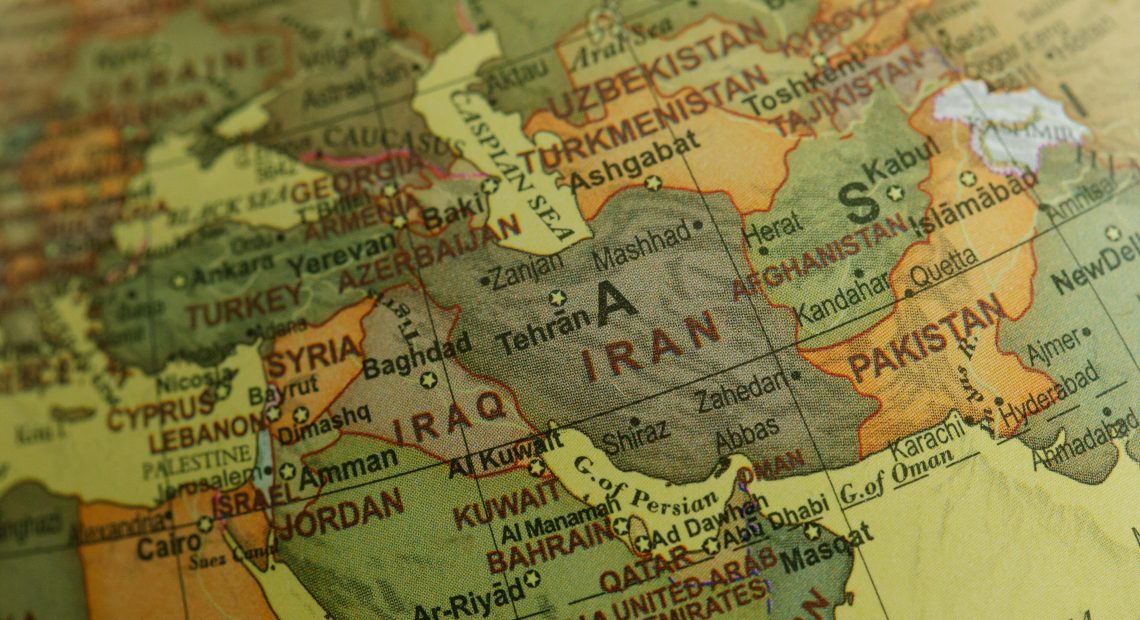
The United Nations has warned of rising humanitarian needs in Iran following a 12-day conflict with Israel that killed hundreds, left thousands injured and forced many to flee the capital.
The airborne fighting, which began on June 13, 2025, also triggered a significant increase in the number of Afghan refugees returning to their homeland.
Stefan Priesner, the UN Resident Coordinator in Iran, said on July 1, 2025, that 627 people were confirmed dead and nearly 5,000 injured during the hostilities. He said that missile strikes hit various parts of Tehran and other cities, prompting widespread panic and displacement.
“In the early morning hours of 13 June, several attacks took place in Tehran and other parts of Iran,” said Priesner, speaking to journalists via Zoom from Geneva. “Over the next 12 days, there were multiple attacks by either side.”
Tehran saw a large-scale exodus, with millions leaving the city in the first hours of the conflict. Many sought refuge in the north of the country. Priesner said the mass departure, coupled with attacks on health infrastructure, has placed enormous pressure on Iran’s already stretched public services.
Watch the video here:
Several hospitals were damaged in the attacks. Medical equipment, including ambulances, was also hit, leaving the healthcare sector with critical gaps. Priesner said the UN is now discussing with Iranian authorities how to adjust its existing programmes to address these emerging needs.
The UN operates in Iran through 18 agencies, employing around 50 international and 500 national staff. Last year’s budget for UN activities in Iran was approximately $75 million, two-thirds of which supported the country’s roughly four million refugees. The remainder was allocated to development and environmental projects, including climate adaptation initiatives.
The 12-day conflict also caused a spike in the return of Afghan refugees. Many had lived in Iran for decades but are now heading back to Afghanistan either voluntarily or through deportation.
According to the UN refugee agency, UNHCR, 36,100 Afghans returned on June 26, 2025, alone. Daily returns surged since the conflict began.
Arafat Jamal, the UNHCR Representative in Afghanistan, stated that the flow of returnees at the Islam Qala border had increased sharply. He described scenes of overcrowded buses carrying exhausted families, many of whom had few ties to Afghanistan after years of living in Iran.
The number of daily crossings rose from around 5,000 to nearly 30,000 at the height of the return wave, he added. The situation has placed severe pressure on already limited humanitarian support inside Afghanistan.
Jamal said many of the returnees, particularly women and girls, are entering a country where access to education and work is often denied. He warned that Afghanistan’s capacity to absorb these populations remains weak amid ongoing international funding cuts.
The UN has not yet outlined a comprehensive response plan, as assessments continue in coordination with Iranian authorities; however, the scale of the displacement and infrastructure damage points to a protracted recovery effort.
Image: The UN operates in Iran through 18 agencies. Credit: Lara Jameson