In Save Valley Conservancy
Zimbabwe has authorised the killing of 50 elephants in the Save Valley Conservancy to address overpopulation and environmental degradation, according to the Zimbabwe Parks and Wildlife Management Authority (ZimParks).
The decision follows a government-sanctioned aerial survey conducted earlier this year, which found that the southeast Zimbabwe reserve is hosting 2,550 elephants, over three times its sustainable carrying capacity of 800.
The high population density has placed increasing pressure on local vegetation, water sources and other species, prompting authorities to intervene.
ZimParks spokesperson Tinashe Farawo confirmed permits had been issued to Save Valley Conservancy for what the agency termed an “elephant management exercise.” The initiative, he said, aims to restore ecological balance in the 3,400-square-kilometre protected area, which is one of the largest private wildlife reserves in Zimbabwe.
“The management quota is meant to address the growing elephant population in the region and will initially target 50 elephants,” Farawo said. He added that the action was necessary after alternative efforts to control numbers, including translocation, failed to reduce pressure on the ecosystem sufficiently.
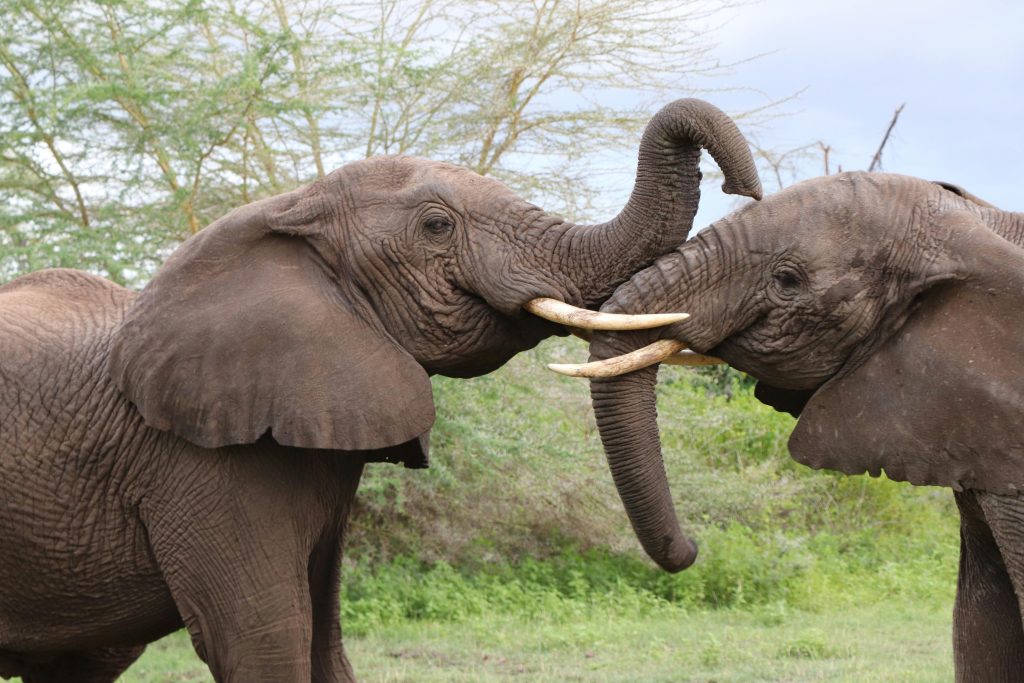
Between 2019 and 2024, the conservancy relocated about 200 elephants to other parts of Zimbabwe, including Hurungwe and the Sapi area in the Zambezi Valley. However, with birth rates exceeding removals and elephants migrating into the conservancy from nearby regions, population growth has remained unchecked.
Meat distribution
Farawo stated that meat from the culled elephants will be distributed to local communities, while the ivory tusks will be confiscated and held by ZimParks, by national policy. Zimbabwe is currently prohibited from selling ivory under a global ban, though it maintains a significant stockpile and has lobbied for permission to trade in regulated markets.
“Elephant meat from the management exercise will be distributed to local communities while ivory will be State property that will be handed over to ZimParks for safekeeping,” he said.
Farawo rejected claims that the operation constitutes a large-scale cull, arguing that the limited number of elephants targeted and the focus on ecological sustainability differentiate it from mass killing events. “This is not a cull in the traditional sense, which involves wiping out herds in huge numbers. This is a targeted management decision,” he said.
Environmental experts say Zimbabwe is grappling with one of the highest elephant populations in Africa, second only to Botswana. While elephants are a key tourist draw and an essential part of Zimbabwe’s biodiversity, their growing numbers have led to an increase in human-wildlife conflicts, especially in rural areas bordering protected zones.
Save Valley Conservancy, which hosts a diverse range of large mammals, including rhinos, buffalo, and lions, has witnessed escalating damage to vegetation and water resources as elephant herds strip away tree cover and trample fragile habitats. Conservationists say prolonged overpopulation threatens not only elephants themselves, through starvation and disease, but also other wildlife and the communities that depend on the land for farming and livestock.
Animal rights groups are expected to criticise the decision, warning that killing elephants for population control is an outdated and ethically fraught method. Critics often argue for increased translocation efforts, investment in contraceptive programmes, and better land-use planning as more humane alternatives.
However, Zimbabwean officials maintain that logistical and financial constraints make such options difficult to scale, particularly in a region dealing with drought, poverty and limited conservation funding.
ZimParks stated that it remains committed to striking a balance between conservation and socio-economic development. “We remain committed to responsible, sustainable management of wildlife resources for the benefit of present and future generations,” Farawo said.
Zimbabwe has struggled for years to reach a consensus on elephant conservation policies, particularly as it navigates tensions between ecological science, international law, and local livelihoods. The latest move, while likely to ignite global debate, underscores the challenges faced by African countries in managing large elephant populations with limited resources.
Requests for comment from Save Valley Conservancy were not returned by the time of publication. ZimParks did not provide a timeline for the completion of the elephant management operation or clarify whether further reductions would be considered in the future.
Zimbabwe has an estimated 100,000 elephants nationwide, significantly more than the protected areas can sustainably support, according to conservation data. The government has repeatedly called on international bodies to reconsider the blanket ban on the ivory trade, arguing that revenues from regulated sales could be used to support wildlife conservation efforts and fund community development.
As the elephant culling plan proceeds in Save Valley, Zimbabwe’s broader conservation strategy remains in sharp focus—caught between international pressure, ecological urgency and the everyday realities of rural communities living with wildlife.
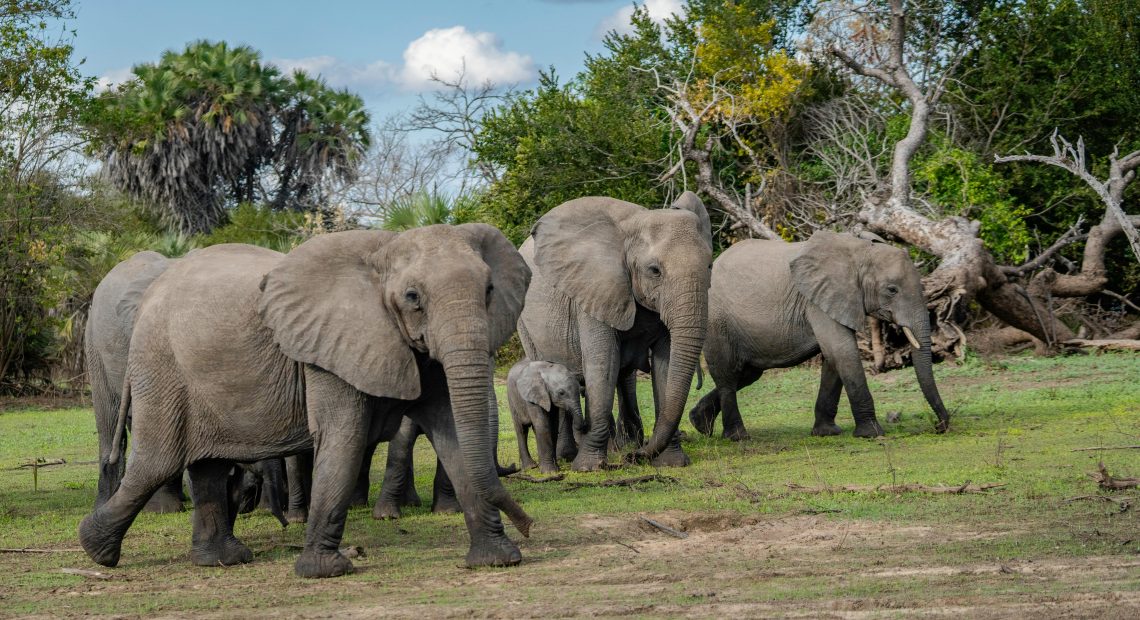
Hero image: Zimbabwe is home to an estimated 100,000 elephants across the country. Credit: Tomasz Dworczyk – Podróż za Milion Zdjęć