Platinumlist, a Saudi-based online ticketing platform, examines key changes and trends in the industry.Over the past few years, Vision 2030 and the General Entertainment Authority (GEA) initiatives have driven major investment in cultural and entertainment projects. New regulations have encouraged private‑sector support in every region of the Kingdom, with more than 3700 businesses involved in the entertainment sector.
Experiential Formats Top Preference For Small Groups
Event formats have multiplied and diversified at an unprecedented rate. Between 2016 and 2017, Arabic pop concerts accounted for nearly 100% of all public events, which was both culturally acceptable and logistically feasible at the time. Today, no single category dominates, shows Platinumlist’s internal data, and audiences are engaging with a much wider range of events like Experiential Formats (attractions, immersive zones, seasonal festivals – 24%), Arabic Music & Concerts (23%) Family & Cultural Content (kids events, lifestyle, national days – 13%), Youth & Niche Segments (EDM, anime, gaming, underground – 13%), Business & Conferences (3%).
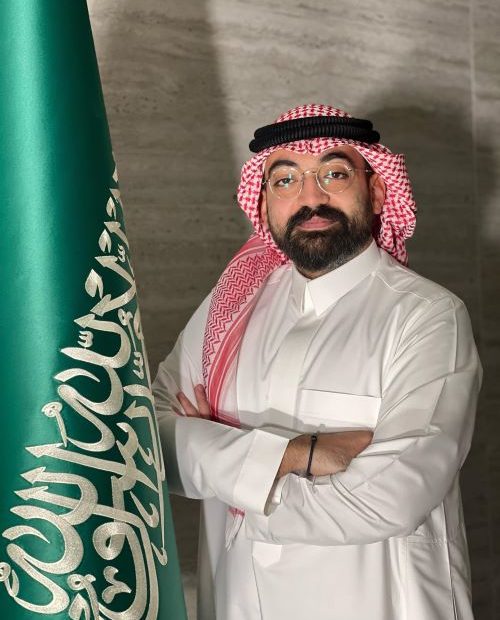
“The primary purchasing pattern involves pairs or small groups, with an average of 2.2 to 2.6 tickets per order, although this varies by event category. Consumer interest in comprehensive entertainment formats is characterised by group attendance (average tickets per order: 2.7 for Attractions, 3.3 for Kids Events),” said Moayad Qudus, Senior Business Development Manager at Platinumlist. “Arabic events consistently demonstrate high demand over many years, reflecting stable cultural preferences.”
Individual purchases are more typical for event categories such as EDM (1.9), Art (1.7) and Anime & Gaming (1.7).
Young Women Drive Audience Diversity
Men aged 25–34 remain the dominant and growing segment of ticket buyers, accounting for 25.2% in 2025. The fastest growth is demonstrated by women in the same age group (25–34 years), whose share has increased to 16.1%, making them a key emerging audience. Stable, moderate interest in ticket purchases persists among men and women aged 35–44. Older age groups (55+) show a consistent decrease in activity, reaching a very low level of engagement in the last year (3.8%).
As the young audience is the core segment, mobile sales now account for over 70% of all transactions, with dynamic QR codes ensuring secure entry and cutting ticket fraud by 85%.
Accessible Same-Day Ticketing Is Dominant
Ticket-buying behaviour has transformed, with a major shift from dominant mid-range planning (73% in 2017) towards last-minute purchases (51% in 2025) and a notable rise in long-term planning in recent years.
The report highlights the following buying behaviour changes:
- Last-Minute Decisions (Same day or 1 day before): from 12.2% in 2017 to 51.0% in 2024, keeping the trend in 2025.
- Early Purchases (2-4 days before the event): 14.7% in 2017, peaking during 2020 at 42.3%, and then normalising to 19% in 2024 and 2025.
- Mid-Range Planning (5-14 days before): dominant purchasing behaviour (73.0%) in 2017, with a drop tendency in the last three years to 21.3% in 2025.
- Long-Term Planning Purchases (14 days+): almost negligible (less than 1% till 2023) at the start, this segment shows growth in 2024 (14.72%) and 2025 (18.85%).
“This rise in last-minute purchases may reflect enhanced event accessibility and spontaneous decision-making”, said Moayad Qudus, Senior Business Development Manager at Platinumlist. “At the same time, the growth in long-term planning could be driven by an increasing number of high-demand international events that require early ticket acquisition.”
Accessibility has improved both in price and frequency. Average ticket order values have fallen from SAR 1,400 in 2018 to around SAR 250 today. This means that events become a more affordable and frequent part of everyday life, and are open to a new audience mix, including families, students, and youth segments. That’s why the most affordable and popular categories in the last three years are Attractions (SAR 109 on average) and Festivals (SAR 213 on average).
With the entertainment sector projected to grow at a 10.44% compound annual growth rate (CAGR), Saudi Arabia holds significant potential to shape the global entertainment landscape. Combining its unique cultural heritage with innovative approaches, the Kingdom is well-positioned to achieve its vision of becoming a hub for world-class events and tourism.