Follow the tips in this advisory
The rise of counterfeit goods across global markets has triggered growing concern in the Middle East. From electronics and cosmetics to fashion and pharmaceuticals, fake products pose risks to consumer safety and brand reputation.
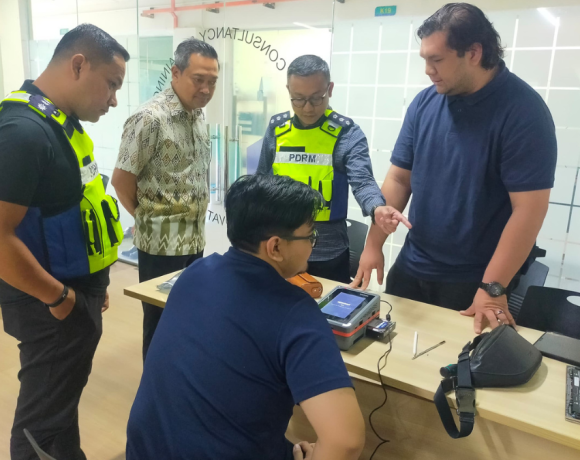
In the UAE, customs officers regularly intercept counterfeit goods at airports and ports. In 2024, authorities in Dubai seized large shipments of fake luxury items and electronics destined for online resale.
Counterfeit goods not only impact consumer trust but also carry health and safety risks. Fake cosmetics may contain harmful chemicals, while counterfeit electronics can pose risks such as overheating or fire hazards. The problem extends to automotive parts and children’s toys, posing even greater danger in homes and on roads.
Consumers in the Middle East are increasingly shopping online. This trend, while convenient, creates opportunities for counterfeiters to exploit unregulated platforms. Buyers should favour regional e-commerce sites known for enforcing authenticity policies.
While technology is improving detection, vigilance remains the most effective defence. By knowing how to inspect packaging, verify serial numbers, and avoid suspicious deals, consumers can better protect themselves from fraud and harm. With greater public awareness and enforcement, the fight against fake products across the region continues.
Authorities across the UAE and the broader region continue to seize illegal goods; yet, public awareness remains vital.
Here are 11 practical ways to distinguish real from fake products.
- Price is a clear signal. Items sold far below market value often raise doubts. While discounts exist, extreme price drops can suggest counterfeiting.
- Packaging gives clues. Authentic brands use high-quality packaging with precise logos, colours, and seals. Fake goods may come in flimsy boxes or use inconsistent designs.
- Spelling errors are common in counterfeit labelling. Misspelt brand names, unclear instructions, and grammatical mistakes are warning signs of inauthentic products.
- Serial numbers are key identifiers. Real products have unique serial codes that can be verified with the manufacturer. A missing, reused or fake code is a red flag.
- Barcode scans can help. When scanned, authentic barcodes should redirect to official product pages. Generic or broken links may suggest counterfeit origins.
- Material quality reveals authenticity. Counterfeit items often feel lighter, rougher, or of lower quality. Trusted brands maintain consistent product finishes and textures.
- Unauthorised sellers present risks. Buying from social media accounts, unverified websites, or third-party sellers increases the chance of receiving fake goods.
- Return and warranty policies matter. Authentic brands offer return options and clear warranties. If a seller refuses to provide these, the legitimacy of the product is in question.
- Documentation is essential. Genuine electronics, watches, and high-end goods come with manuals, certificates and warranty cards. Poor-quality prints or missing papers are suspicious.
- Product smell can be a clue. Fake perfumes and skincare often have overpowering or chemical odours due to inferior ingredients and a lack of safety standards.
- Reviews offer insights. Buyers should research what others say about a seller or item. Repeated complaints about authenticity should not be ignored.
Image: Buyers should favour regional e-commerce sites known for enforcing authenticity policies. Credit: Anna Shvets