
Seizures are surging
Singapore has intensified its enforcement of the country’s strict ban on e-vaporisers, commonly known as vapes, at its border checkpoints and airport. The new measures aim to stop illegal vapes from entering the market and curb rising use among youths.
Penalties remain steep. Possession carries a fine of up to S$2,000. Importing or selling such products is punishable by up to S$10,000 in fines, six months’ imprisonment, or both, for first-time offences. Repeat offenders face a fine of up to S$20,000 and a jail term of up to 12 months.
In his 2025 National Day Rally speech, Singaporean Prime Minister Lawrence Wong announced that the government would adopt a stricter stance on vaping, treating it as a serious public health concern.
This move comes in response to the rising use of vapes among Singaporean youth, despite a ban that has been in effect since 2018. Wong highlighted that enforcement efforts will be stepped up, and harsher penalties — including possible jail time — will be imposed on individuals caught selling vapes with harmful substances.
Apart from Singapore, vaping is illegal in Vietnam, Thailand, Brunei and Laos. This January, Belgium also banned the sale of disposable vapes, as did the UK in June this year.
Singaporean border authorities joined forces with health agencies to carry out targeted checks against vapes at Changi Airport last December.
Over four days—December 20, 23, 27 and 30—177 passengers were found with e-vaporisers. Sixty-one of them were fined, while 116 declared and disposed of their devices at the “Red Channel” to avoid penalties. Screen warnings and digital banners informed passengers about the ban. Suspected vapes triggered extra screening and on-the-spot confiscation for non-declaration.
The crackdown extended to land checkpoints. On December 21, officers at Tuas Checkpoint discovered 25 devices hidden under the car seats of a Singapore-registered vehicle. Overall, authorities detected 1,656 vape-related cases in December alone.
Regional lens
Several Gulf countries enforce restrictions on vaping and e-cigarettes. The UAE classifies e-cigarettes as pharmaceutical products, requiring import approval. Singapore’s stepped-up enforcement may serve as a case study for Middle East and African regulators facing similar challenges. Enforcement at borders helps prevent trafficking via transit hubs and suppresses youth uptake.
In early 2024, Singapore reported sharp rises in vape-related enforcement. Between January and March, more than 2,200 individuals were caught using or possessing e-vaporisers—a marked increase from 7,838 cases in 2023, up 60% from 4,916 in 2022.
Border operations during that quarter detected 40 vape-related cases across land, sea and air. Ten involved smuggling, while 30 were possession cases. Convictions and further enforcement are ongoing.
Between April and June 2024, enforcement intensified further. Authorities caught 2,530 individuals for possession or use—a 30% rise over the previous quarter. Checkpoint operations across airports, ferry terminals and land borders screened more than 5,000 travellers, of whom 19 were found in possession of e-vaporisers.
Simultaneously, authorities disrupted illegal supply chains. A warehouse seizure on April 24 netted more than S$5 million worth of vape-related items. In mid-June, raids seized over 350,000 devices worth over S$6 million. A week-long operation in July dismantled a distribution network comprising more than 17,000 items, valued at S$200,000.
In late 2024, the largest land checkpoint bust of the year occurred. On 21 August, officers foiled an attempt to smuggle 37,588 vapes and refills at Tuas Checkpoint.
Market context
Globally, vaping sales have surged in recent years. The World Health Organization has urged countries to enforce strict control on e-cigarettes, citing rising youth uptake and health risks. Singapore’s experience highlights the importance of enforcement in upholding bans in high-traffic hubs—a lesson applicable to transit-oriented regions such as the Gulf, North Africa, and East Africa.
Across Singapore, enforcement is now pervasive. Authorities patrol shopping malls, entertainment districts and CBD areas. Students caught vaping are referred to cessation programmes. Online, over 2,000 vape listings were removed between April and June 2024 after letters were sent to platform providers.
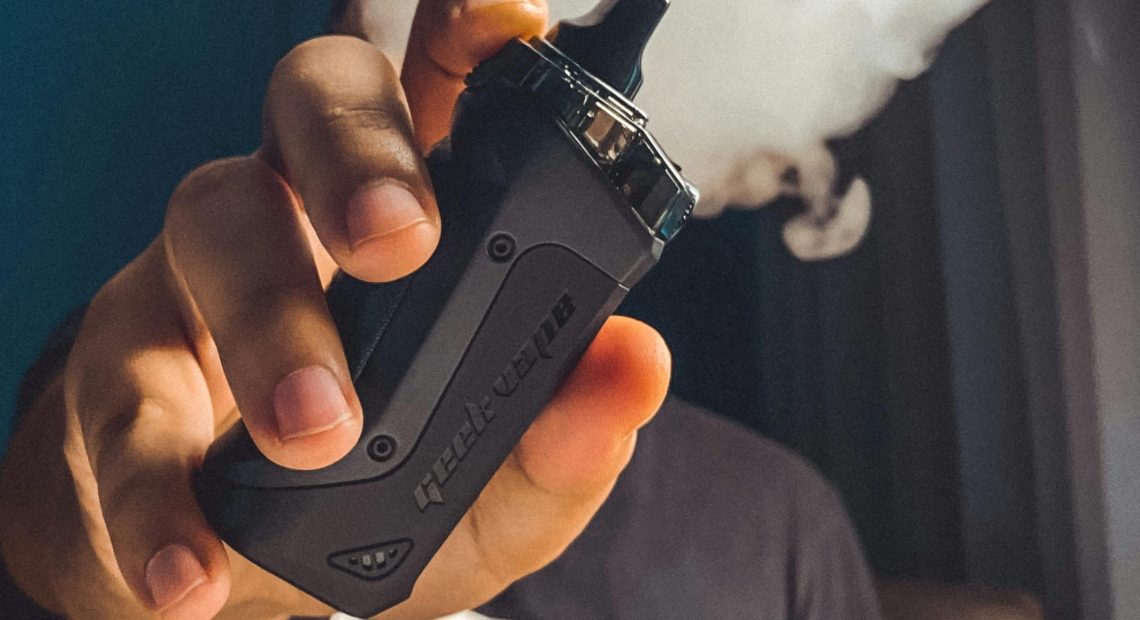
Image: Vaping is illegal in Singapore, with heavy fines being imposed on culprits. Credit: Renz Macorol