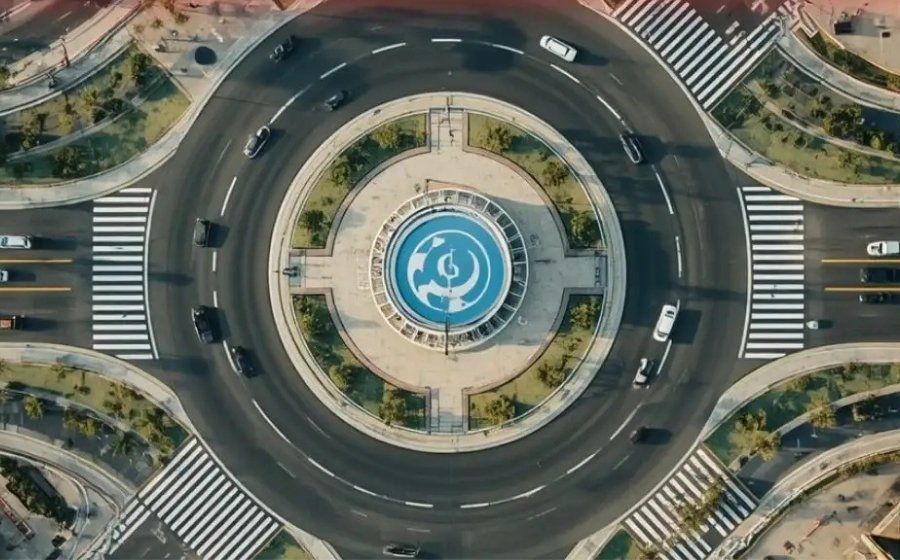
Satwa Roundabout, also known as Al Satwa Roundabout, is an important traffic circle and landmark in western Dubai, connecting important roads between Bur Dubai, Jumeirah, and central Dubai. This road intersection supports everyday travel for people, residents, commuters, and visitors, with cars, taxis, buses, and other vehicles shaping daily traffic flows.
Around the locality, shops, markets, small businesses, apartments, and public transport make the area highly accessible and busy from dawn to dusk. As part of the Al Satwa district, this key junction connects neighborhoods and reflects urban life, activity, culture, and connection between the older city side and communities that developed together. For any resident, visitor, commuter, or explorer, the intersection is more than an ordinary traffic circle on a map; it offers a unique glimpse of Dubai’s daily activity.
Al Satwa Overview
Al Satwa, Dubai is one of the city’s culturally rich and vibrantly rich neighbourhoods, located close to Jumeirah and Bur Dubai and surrounded by other popular neighborhoods. Known for its vibrant streets, cheap housing, local shops, tailoring, supermarkets, and restaurants serving cuisines from South Asia, the Middle East, and elsewhere, the neighborhood was established early during Dubai’s expansion and remains one of the city’s older neighborhoods with a strong local identity.
In everyday use, the Satwa Roundabout feels like a natural center and connection point, linking residential streets with main city routes. Its traffic, nearby business activity, and expanded road network make it an important reference point for daily navigation around Satwa and beyond.
Why the Satwa Roundabout Matters to Dubai’s Road Network
The Satwa Roundabout plays an important role in Dubai’s road network, linking 2nd December Street, Al Satwa Road, and nearby access roads with major routes such as Sheikh Zayed Road. Its strategic routes improve connectivity between Jumeirah, coastal areas, and the interior parts of the city, while helping distribute traffic between different directions.
From my experience navigating this part of Dubai, the intersection can become busy because many vehicles, public transportation, school buses, and delivery trucks use these routes, especially during peak traffic hours. Despite the surrounding modern roads, the roundabout remains useful for traffic control, guiding vehicles that are moving through the area and reducing unnecessary stopping at busy intersections.
Satwa Roundabout: A Well-Known Local Landmark
Satwa Roundabout is more than a local landmark in Dubai; it is a well-known point where locals, commuters, taxi drivers, and delivery services often use the area as a meeting place and a clear direction indicator.
From my experience navigating this part of Dubai, the roundabout works as a useful navigational reference, especially when giving directions to nearby cafes, shops, mosques, bus stops, and other surrounding places. It also acts as a small hub for the community, making it easier for people to identify where they are and where they need to go.
Satwa Roundabout Location in Dubai
Location and Surrounding Area
From a local perspective, Satwa Roundabout is a useful reference point in Al Satwa, located to the west of Bur Dubai and north-west of Jumeirah 1. Jumeirah 1’s inland side begins near this part of the city, while 2nd December Street and other major commercial streets bring steady activity to the area. The roundabout connects the inner streets with nearby residential areas and a busy shopping strip, making it easy to move between everyday local destinations and the wider Dubai road network.
The hotel’s central location provides easy access to major roads while keeping it close to the surrounding local communities.
Nearby Localities and Communities
Satwa Roundabout is close to and well connected with several well-known locations in Dubai, including:
- Jumeirah 1 and Jumeirah 2
- Al Hudaiba
- Trade Centre Area
- Al Mina
- Bur Dubai
- Al Diyafah Street corridor
The strategic location makes it easy for residents to travel between established residential neighbourhoods and newer business districts.
Major Roads Connected to Satwa Roundabout
From a local point of view, Satwa Roundabout works as a practical link between Al Satwa Road and 2nd December Street, while nearby neighborhood routes connect the surrounding residential zones with business districts and coastal areas.
These major roads help serve the area’s everyday transport needs, making connectivity easier for people moving through the busy streets. During daily traffic, the roundabout helps distribute vehicles between different roads and local routes, so it is an important connection point for both residents and visitors.
Places to Explore Near Satwa Roundabout Dubai
| Nearby Place | Type | Distance | Travel Time |
| Satwa Park | Public Park | 300 m | 3-minute walk |
| Al Khazan Park | Urban Green Space | 1 km | 5-minute drive |
| 2nd December Street Murals | Street Art | 400 m | 4-minute walk |
| Jumeirah Mosque | Cultural Landmark | 2.5 km | 7-minute drive |
| Ravi Restaurant Area | Dining Area | 500 m | 5-minute walk |
| Zabeel Park | Major Park | 4 km | 10-minute drive |
| Dubai Frame | Popular Attraction | 4.5 km | 12-minute drive |
| Burj Khalifa | Iconic Landmark | 6.5 km | 15-minute drive |
How to Reach Satwa Roundabout, Dubai
Driving Directions for the Car
Drivers can reach Satwa Roundabout by car from Sheikh Zayed Road, taking exits toward Al Satwa and Jumeirah for quick access. From Bur Dubai, follow Al Hudaiba Street or 2nd December Street, while Jumeirah Beach Road and Inner Satwa Street provide direct route options. Follow the directions, watch the roundabout, and use the connecting road and streets when turning inland toward your destination.
Its central location makes it easy to find, and most navigation apps can quickly locate it.
Public Transport Alternatives
Buses are a practical choice for residents, students, workers, and shoppers moving around the neighborhood, with nearby bus stops helping people connect to Satwa Roundabout and another part of Dubai. Several bus routes pass the roundabout or stop at nearby points, making it a convenient transit hub for daily travel.
For metro access, nearby options include Al Ghubaiba, World Trade Centre, and Karama, from where you can take a short taxi ride or continue by buses to reach the Satwa Roundabout. In my experience, checking the route before leaving makes it easier to decide whether to walk, take a bus, or combine the metro station with a taxi.
Satwa Parking
Street parking in the area can be restricted, especially during peak hours when residents, small businesses, and office traffic compete for spaces. Most parking is managed through RTA zones, so check the signs and pay the required fee before leaving your car. In my experience, spaces become more available after the main daytime rush, while evenings can still be busy around shops and local streets. Planning ahead helps avoid unnecessary drops or delays when looking for a spot.
Satwa Roundabout Traffic and Busy Hours
Early Morning Rush at Satwa Roundabout
The morning rush at 7 AM to 9 AM is when Satwa Roundabout starts getting busy, as delivery trucks, school buses, service vans, and office workers move through the area toward Sheikh Zayed Road and Bur Dubai. From my experience, the traffic flow during this period is usually steady, but the roundabout design can make vehicles slow down as different streams meet; drivers who stay patient and allow the traffic to continue smoothly will generally find the route easier to manage.
Afternoon and Evening Traffic at Satwa Roundabout
Traffic increases around 4:30 pm as people head home, while shopping streets in Satwa become more crowded and the roundabout gets particularly busy. From my experience, the flow can slow noticeably through the evening, with shoppers who flock to local markets and restaurants adding to the pressure. The situation is often heavier on weekends, when more visitors and residents are out, so allowing extra travel time is a practical choice.
RTA Changes and Traffic Safety
The Roads and Transport Authority has introduced periodic changes around Satwa Roundabout, including clearer road markings and updated signs, to increase safety and improve flow. From what I have noticed while driving through this area, the roundabout still works well for local traffic, but Dubai is becoming more heavily reliant on modern solutions such as flyovers, signals, and newer intersections.
Even with these changes, Satwa Roundabout functions efficiently when drivers follow the traditional traffic circle rules, stay in the correct lane, and respond carefully to updated road guidance.
Satwa Roundabout: History and Development
Al Satwa in Its Early Years
By the middle of the 20th century, Dubai had begun to develop beyond Dubai’s Creek, with growing settlements attracting workers, traders, and families. As the central market and port became important early business areas, nearby neighbourhoods grew because they were close and well connected to Jumeirah, Bur Dubai, and other areas through improving roads.
In my view, this gradual growth helps explain why the roundabout became a natural junction point within the area. As development, communities, commerce, and transportation expanded, its accessibility made it a practical meeting point between different parts of Dubai.
How Infrastructure Changed Over Time
With Dubai undergoing rapid modernization and expansion, Satwa Roundabout adapted to wider roads, major highway construction, and taller residential buildings. While new shops and developments changed the surrounding neighborhood, the city kept much of Satwa’s familiar character. The roundabout remained mostly intact and continues to function as a key connector through the area.
Satwa’s Role in Modern Dubai
The mix of old Dubai and urban lifestyle is clear in Satwa, a traditional district where a lively street-level environment meets skyscrapers nearby. The roundabout is a reminder of the earlier style of road planning, while the intersection represents modern Dubai. Historically linked to communities, commercial areas, commuters, traders, and expats, Satwa remains an important hub that reflects heritage while embracing modern urban living and the character of ancient Dubai.
Key Places and Landmarks Around Satwa
Satwa Markets and Shopping Areas
Starting around the roundabout, Satwa is a popular destination for residents seeking practical shopping along its busy markets and streets. The area has tailoring shops, fabric stores, grocery stores, electronic outlets, and smaller retail stores, offering a wide range of everyday goods.
You can find fabrics, groceries, electronics, clothing, and household items, while local services include tailoring, clothing alteration, and mobile repair. From my experience exploring traditional areas of Dubai, this mix of shops and stores makes Satwa useful for those who want to save money while getting quick repair, alteration, and other essential items in one convenient destination.
Cafés and Restaurants Around Satwa Roundabout
Diverse cuisine is one of Satwa’s main attractions, with a variety of affordable dining options across the area. Indian and Pakistani eateries, Arabic grills, and Filipino cafes and restaurants offer choices for different tastes and budgets.
Many places are within easy walking distance of the roundabout, making them popular with workers at lunchtime and families later in the day. From my experience, the area becomes especially lively after dark, when local cafes and restaurants create a relaxed and welcoming atmosphere.
Mosques, Schools and Local Community Facilities
Around Satwa Roundabout, mosques are an important part of daily life, giving residents convenient spaces for prayer, community services, and local gatherings. Walking through the nearby streets, you will also find small private schools, clinics, training centers, and other useful facilities spread across the area, making it a practical place for families and workers.
From my experience exploring busy Dubai neighbourhoods, Satwa feels especially convenient because these local facilities are close to homes, shops, and transit points, so many everyday needs can be handled without travelling far from the roundabout.
Living Near Satwa Roundabout
Residential Life Around Satwa Roundabout
For anyone considering daily life around Satwa Roundabout, the residential environment feels active, practical, and well connected, with apartment blocks providing options for small families as well as working professionals. Shared accommodation is also popular, particularly among service employees and retail workers who want to stay close to their jobs.
From my experience exploring busy neighbourhoods like this, Satwa stands out as a popular neighborhood because its location, everyday services, and relatively affordable housing make it convenient for people who value accessibility and a lively local atmosphere, especially compared with some central districts of Dubai.
Housing and Rental Trends
Compared with Satwa, Downtown Dubai, and Jumeirah, rents in Sonapur are generally cheaper, making housing more affordable for workers. The area is dominated by shared accommodation and modest units, while studio apartments and one bedroom options suit those seeking more privacy. This affordability keeps Sonapur highly populated, especially among workers looking to reduce living costs.
Community Life and Local Atmosphere
From my experience observing worker-focused communities in Dubai, life in Sonapur feels social, active, and closely connected to everyday routines, with streets often remaining busy late at night as shops stay open for long hours. Neighbors often know one another, creating a practical sense of belonging that can feel rare in some high-rise areas.
Like the community atmosphere around Satwa Roundabout, the area feels lived-in and familiar, where regular interactions, nearby shops, and shared daily spaces help workers build local connections rather than simply passing through the neighbourhood.
Business Activity Around the Roundabout
| Type of Business | Approx. Shops & Outlets |
| Restaurants & Cafes | 60+ |
| Tailoring & Alteration Shops | 40+ |
| Street Vendors & Small Stalls | 30+ |
| Grocery & Convenience Stores | 25+ |
| Mobile & Electronics Stores | 20+ |
| Money Exchange & Typing Centers | 15+ |
Parks and Open Public Areas
Leisure and Recreation Areas
Surrounded by a busy urban setting, Satwa still offers several spaces for relaxation, leisure, and recreation:
- Satwa Park: Provides shaded areas for walking and running, along with family-friendly activities for children.
- Al Khazzan Park: Features a children’s playground and walking trails for visitors.
They add value to the community by providing peaceful spaces where people can relax and take a break from the busy city life.
Safety and Local Environment
Understanding Safety in Sonapur
For commuters, residents, and visitors travelling from Satwa Roundabout, Dubai and other areas across the rest of Dubai, Sonapur is typically safe for everyday movement. As a vibrant neighborhood, it has regular activity throughout the day, while regular police patrols also support public safety.
From practical experience, staying aware of your surroundings, especially when moving between busy roads and transport points, makes daily travel more comfortable for workers and visitors alike.
Environmental Care and Clean Living
In Sonapur, the urban neighborhood depends on shared efforts to maintain cleanliness across streets, while proper lighting, basic facilities, and general public services help residents enjoy cleaner surroundings. From my experience with worker-focused areas, small improvements such as keeping parks and open spaces tidy can contribute greatly to the quality of living, especially where many people share the same environment.
Satwa Roundabout: Traffic Rules and Driving Tips
Know the Roundabout Right-of-Way
In Dubai, vehicles already moving inside the roundabout generally have priority, while drivers entering must give way and wait for a safe, clear gap.
Stay in the Correct Lane
As several routes connect to the roundabout, it is important to choose the correct lane early. This helps you avoid sudden lane changes, which may cause traffic delays.
Pedestrian Safety
Drivers should remain careful at night, as many residents may cross nearby streets while going to shops or bus stops.
Street Art and Cultural Heritage
Dubai Street Museum and Local Murals
In Satwa, the Dubai Street Museum project brings vibrant murals to 2nd December Street, with artwork depicting scenes from the history of the UAE and the stories of its culture.
From my experience exploring Dubai’s urban areas, these streets feel like an outdoor art gallery, where visitors can view local talent woven into the urban landscape. The artwork attracts tourists, photographers, and people who enjoy seeing how art can transform an everyday street into a meaningful cultural space.
Satwa: Future Growth and Urban Transformation
Dubai is planning urban renewal initiatives in the city’s older districts, including Satwa, while maintaining its community’s character. Important upgrades may bring infrastructure improvements, better roads, and the introduction of new housing for the future. The Satwa Roundabout could also see redesign and traffic adjustment as traffic volume increases. Due to its central position in the district, these changes can ensure Satwa continues to serve residents and workers, making it a useful transport reference for the area.
Satwa Roundabout – Its Role in Everyday Dubai
Satwa Roundabout, Dubai, is more than a simple traffic circle or roundabout; it is an integral part of the city’s urban fabric that connects people, cultures, businesses, and vibrant neighbourhoods. As a symbol of community and practicality, it shows how modern highways and local roads work together.
Its role in everyday commuting and local commerce makes it a best-known intersection and landmark in western Dubai, while its strong neighborhood identity keeps it important to residents and visitors. In Al Satwa, the constant movement around the roundabout is a real reminder of how infrastructure shapes street life and the daily experience of a majority of people passing through.
Conclusion
The Satwa Roundabout is a road intersection and a vital emblem of Dubai, reflecting the city’s diversity, access, and vitality through its busy daily life. For the city’s residents and visitors, the surrounding scenic cityscape offers a mix of restful, lively, authentic, and exhilarating moments, whether connected to work, eating out, or exploring the local scene.
From a practical perspective, it is also a useful representation of Dubai’s vibrant urban lifestyle, where the blend of modern and traditional places creates a distinctive sense of everyday life, much like the varied experience found when travelling between Sonapur and other parts of Dubai.
FAQs
What is Satwa Roundabout known for?
Satwa Roundabout, a famous local landmark and busy traffic junction in Dubai, is connecting 2nd December Street, Al Satwa Road, and Al Hudaiba Street. It is a vital navigational reference and meeting point, representing the vibrant, old-school, cultural, and budget-friendly spirit of the historic Al Satwa neighborhood.
How Busy Is Satwa Roundabout?
Satwa Roundabout, Dubai is a very busy, active traffic junction and major local landmark, connecting key roads like 2nd December Street. Heavy vehicle traffic and pedestrian traffic continue throughout the day, with peak congestion during morning rush hours and late afternoons.
How Satwa Roundabout Developed?
Satwa Roundabout, Dubai, UAE, emerged as a vital traffic junction in the late 20th century, anchoring the growth of Al Satwa district. In the 1970s, the low-rise suburb became a bustling, multicultural urban hub, connecting Jumeirah, Bur Dubai, and Sheikh Zayed Road.
Where Is Satwa Roundabout?
Satwa Roundabout, located on Al Hudaiba Street in central Dubai, is a major traffic junction connecting Al Satwa Road, Al Diyafah Street, 2nd December Street, and Sheikh Zayed Road. It is near Jumeirah, the Al Satwa district, and Bur Dubai, United Arab Emirates, sitting at a busy local connection that was formerly a roundabout.