As airport capacity soars
Dubai’s Roads and Transport Authority has awarded a contract to expand the main traffic access bridge to Terminal 1 of Dubai International Airport. The move comes amid a sharp increase in passenger numbers, with the airport handling over 92 million travellers in 2024, according to Dubai Airports.
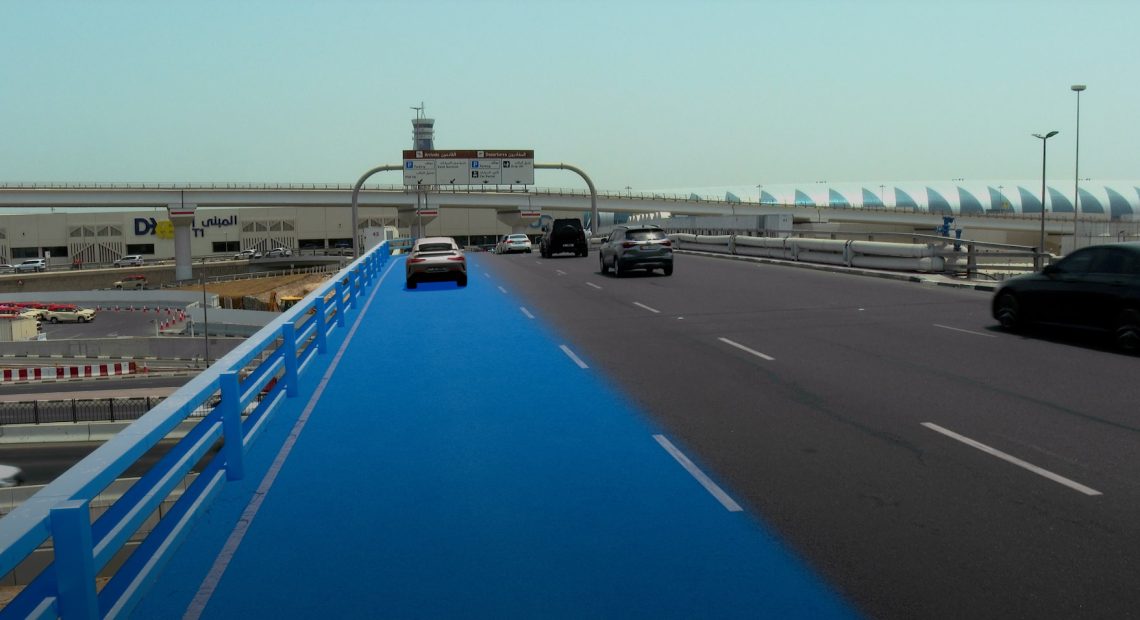
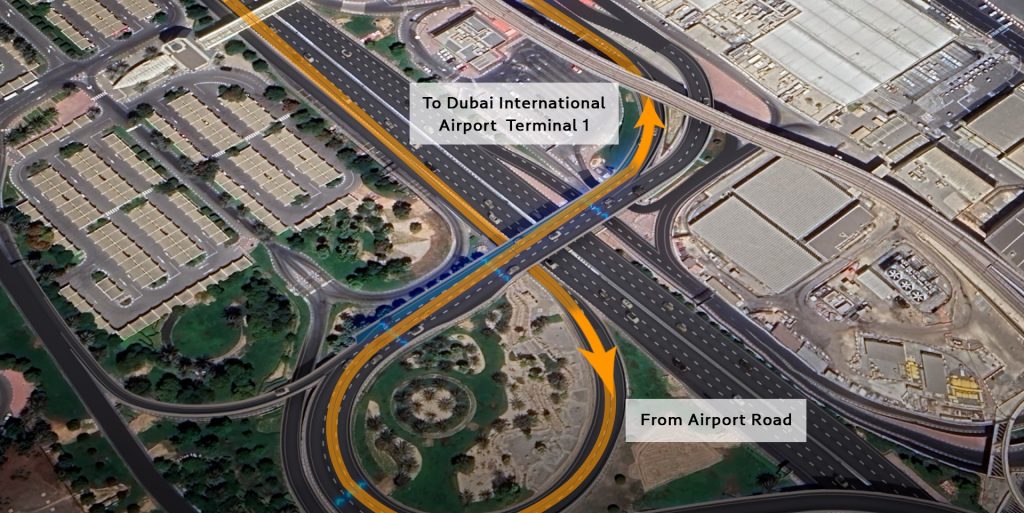
The project, launched in coordination with Dubai Airports, will widen the existing structure from three to four lanes, increasing capacity by 33%, and allowing traffic to flow more efficiently into the terminal, particularly during peak travel periods.
The planned structure will use a steel box girder system with a composite concrete slab. This design, used in several international urban infrastructure projects, was chosen for its ability to support fast-track construction without disrupting ongoing road traffic below.
Watch the video here:
The expansion will allow the bridge to accommodate 5,600 vehicles per hour, up from the current 4,200. The bridge and associated ramps will span 171 metres, with the central segment measuring nearly 70 metres. In addition to structural work, the upgrade will include repaving, improvements to underground utilities, and new street lighting to increase safety and nighttime visibility.
Road upgrades
The bridge project is part of a wider programme by the Authority to increase capacity and reduce congestion in key transport corridors leading to and from Dubai International Airport, currently the busiest in the world for international traffic.
In a statement, Dubai RTA Director General Mattar Al Tayer said the decision to proceed with the upgrade was based on future travel demand projections and the need to maintain seamless road connectivity to the airport.
“The bridge expansion is part of RTA’s continuous efforts to improve traffic flow and strengthen connectivity between major corridors and vital facilities,” he said. “This will boost capacity, improve safety, and shorten journey times during peak hours.”
The Middle East is home to three of the world’s fastest-growing aviation hubs — Dubai, Doha, and Istanbul — and regional governments are continuing to invest in supporting road and rail infrastructure to manage increasing passenger volumes.
According to the International Air Transport Association, air traffic in the Middle East rose 26.6% year-on-year in 2024, driven by increased capacity and recovery in tourism.

Dubai International Airport has maintained its position as the world’s top international passenger hub since overtaking London Heathrow in 2014, according to Airports Council International. The airport remains a central pillar in the UAE’s broader logistics and tourism infrastructure, serving as a key link between Europe, Asia, and Africa.
Corridor improvements
The bridge project in Dubai follows a series of road upgrades along Airport Street, which runs from Sheikh Mohammed bin Zayed Road to Casablanca Street. These developments, completed over recent years, included the construction of tunnels and bridges at major junctions, including Al Rashidiya, Marrakech Street, and Nad Al Hamar Street.
One of the key elements of the earlier phases was a single-lane bridge offering direct access to Terminal 3, eliminating the need to stop at a signal. Another single-lane bridge was added to link Airport Street with Casablanca Street without interruption. These changes aimed to ease congestion and streamline vehicle flow around the airport complex.

The Authority also completed an alternative access route from Al Garhoud to Terminals 1 and 3 and widened Casablanca Street from three to four lanes in the direction of Al Garhoud Bridge.
The UAE has invested heavily in road infrastructure in recent years, ranking first globally in road quality in the World Economic Forum’s Global Competitiveness Report 2019.
Dubai’s road network continues to be a central part of its economic and transport planning, with the emirate targeting a 25% share of driverless transport by 2030 under its Smart Mobility Strategy.
With Dubai International Airport projected to surpass 100 million passengers by 2026, the latest infrastructure upgrades aim to prevent bottlenecks and ensure efficient connectivity as traffic demand continues to rise.
Hero image: The existing traffic bridge leading to Terminal 1 will be expanded from three to four lanes. Credit: Dubai RTA