11 LEO satellites launched
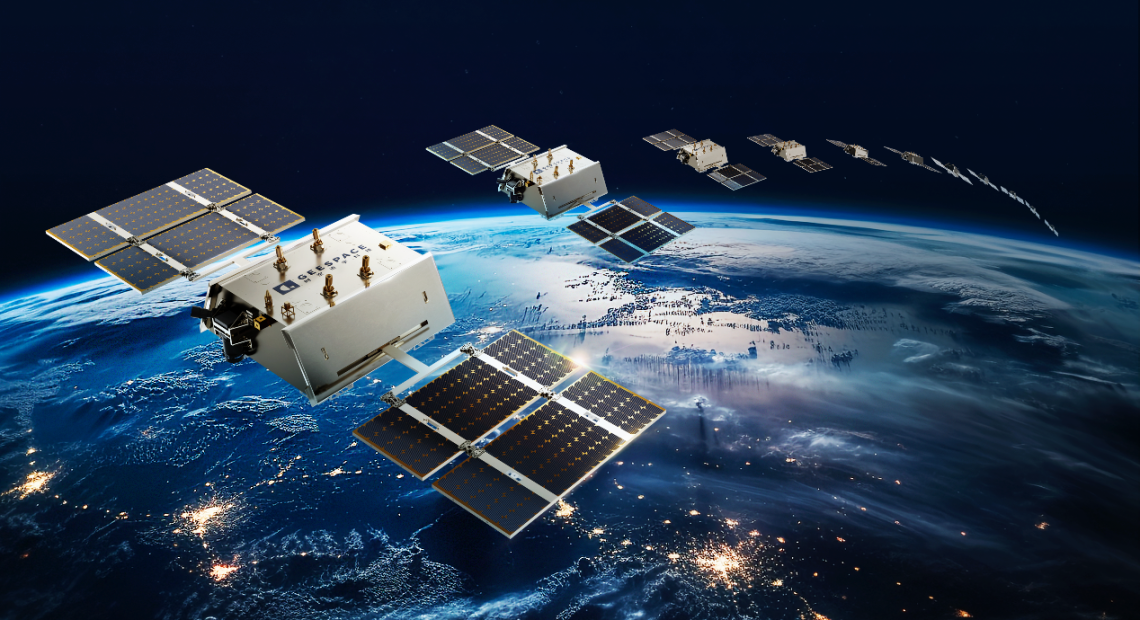
GeeSpace, the aerospace arm of China’s Geely Holding, has launched 11 low Earth orbit (LEO) satellites, bringing the total number in its Future Mobility Constellation – also known as GeeSatCom – to 41, with plans to reach 72 by the end of this year.
The expansion is part of the company’s efforts to build a global satellite network to support connected and autonomous vehicle technologies, particularly in underserved markets across the Middle East, Africa, and Southeast Asia.
GeeSpace is a sister company of the automotive company Geely.
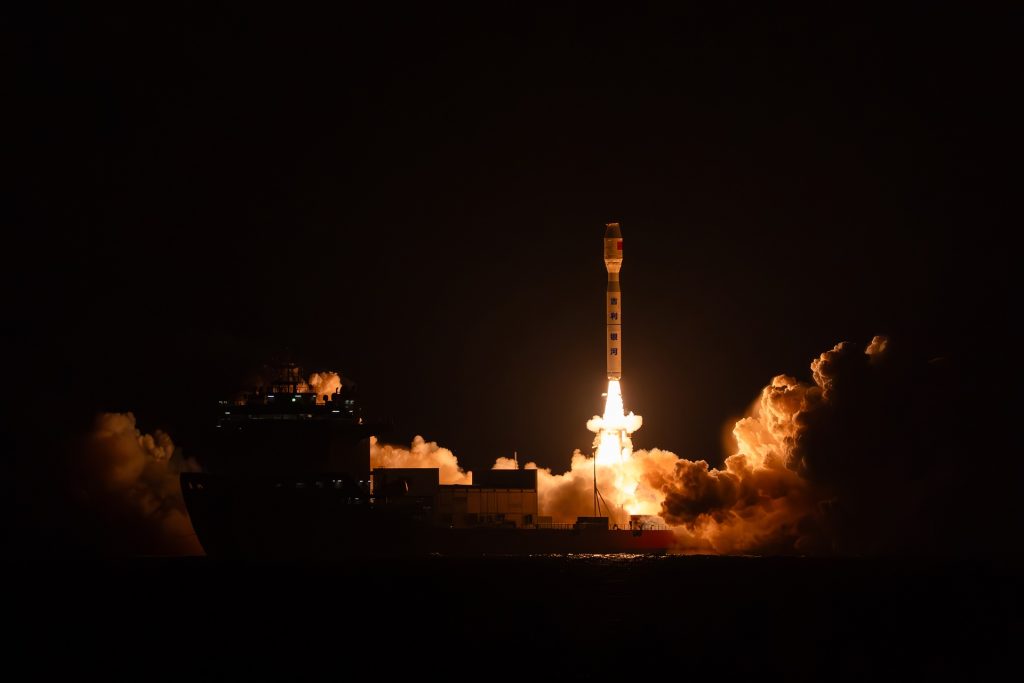
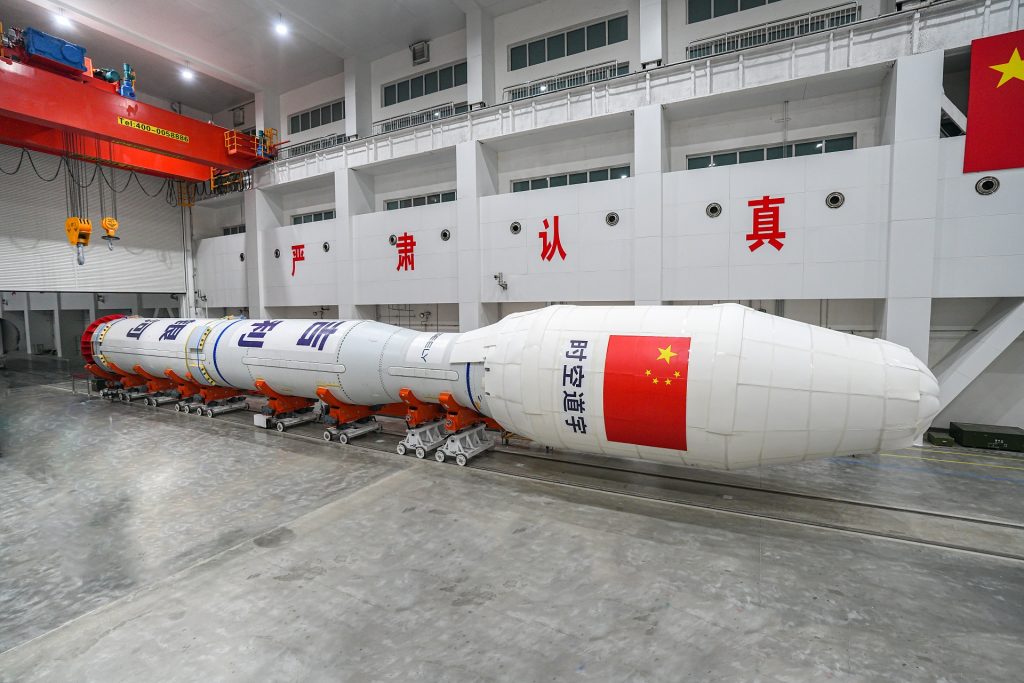
The launch took place on August 9, 2025, from a sea-based platform near Rizhao in China’s Shandong Province, marking Geely’s first maritime satellite deployment. The Smart Dragon-3 rocket successfully placed all 11 satellites into their intended orbit, where they are now functioning normally.
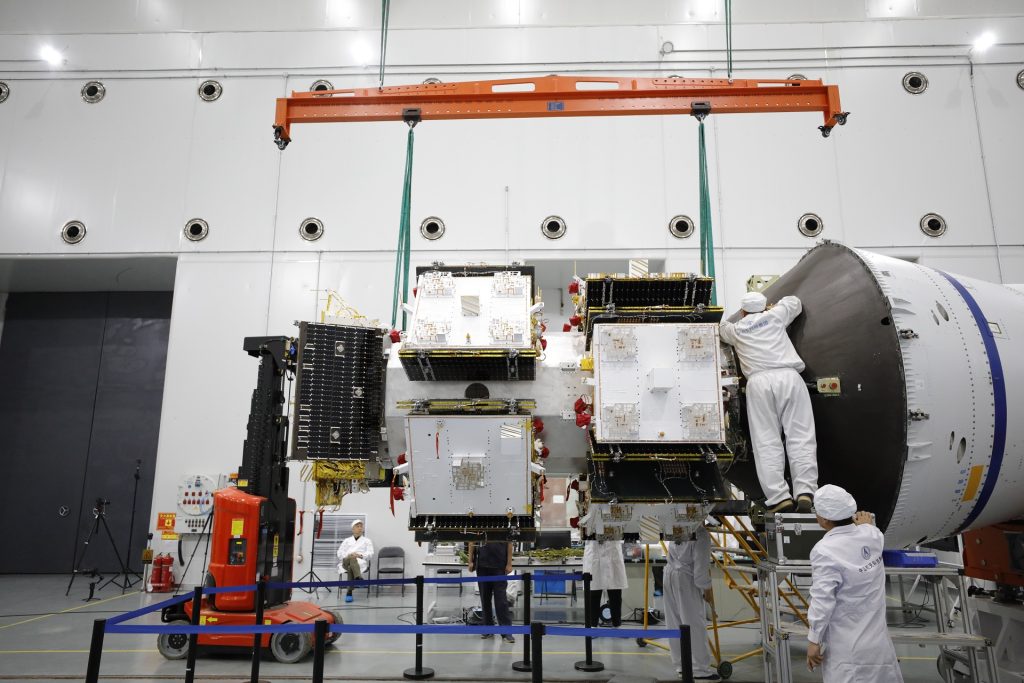
The Geely Future Mobility Constellation aims to establish a commercial satellite Internet of Things (IoT) communications system. The network is designed to offer high-precision navigation, real-time vehicle-to-everything (V2X) communication, and improved connectivity for autonomous and connected vehicles.
Regional relevance
With global automakers increasingly investing in connected car infrastructure, Geely’s focus on LEO satellite systems positions it to support intelligent transport solutions in regions where terrestrial communications remain inconsistent. GeeSpace says it has entered into partnerships with telecom operators in over 20 countries across the Middle East, Africa, Southeast Asia, and Latin America.
Industry analysts note that many areas in the Middle East and Africa still face gaps in 4G and 5G infrastructure. According to the GSMA’s 2024 Mobile Economy Report, more than 700 million people across sub-Saharan Africa and parts of MENA remain unconnected to mobile internet services. This has made satellite-supported vehicle communication a key area of interest for manufacturers seeking to expand their footprint in emerging markets.

GeeSpace’s satellites support centimetre-level positioning accuracy and real-time data exchange, allowing vehicles to operate more safely in areas without conventional coverage. These capabilities are expected to enhance advanced driver-assistance systems (ADAS), remote fleet management, and emergency communications.
Mobility infrastructure
The whole 72-satellite constellation, which Geely aims to complete by December 2025, will provide continuous coverage for nearly 90 per cent of the planet. The company has already conducted three previous launches since 2022, incrementally building up the GeeSatCom network.
Geely claims the system will allow for uninterrupted GPS service, over-the-air vehicle updates, and media streaming, even in remote or disaster-affected locations. The satellites are also expected to benefit urban air mobility platforms and autonomous vehicle projects, both of which rely on highly stable communication networks.

In recent years, the UAE and Saudi Arabia have increased investments in intelligent transport systems, smart cities, and autonomous mobility. Geely’s LEO infrastructure could provide these regions with alternatives to traditional terrestrial networks, enhancing resilience and extending service reach to desert and rural zones.
Commercial applications
Thousands of vehicles under Geely’s portfolio – including Zeekr, Lynk & Co, and Farizon – are already fitted with the company’s proprietary satellite communication chips and modules. GeeSpace has begun mass production of these components to meet expected demand in domestic and international markets.
The satellite network is also being used in real-world applications beyond consumer vehicles. As an official partner of the Chengdu 2025 World Games, Geely is providing high-precision positioning and emergency communications for official vehicles operating at the event.
In addition, logistics firms and fleet operators stand to benefit from real-time tracking, optimised routing, and improved safety monitoring. This could have significant implications for ride-hailing services, delivery networks, and public transportation providers, particularly in areas where network congestion or infrastructure limitations pose regular challenges.
Sector outlook
Geely has increased its R&D investment by 18 per cent in the first half of 2024, reaching RMB 7 billion ($ 960 million). This funding supports its “Smart Geely 2025” initiative, which aims to position the company as a leader in connected mobility and intelligent electrification.
While the company has not disclosed how much it has invested in the GeeSatCom network, its consistent launch schedule suggests a long-term commitment to space-based mobility services. Analysts expect similar strategies from other major automakers as they seek to decouple vehicle connectivity from terrestrial network providers.
As demand for autonomous vehicles, electric fleets, and connected systems grows, satellite networks are expected to become a critical component of automotive infrastructure. With its latest launch, Geely has taken another step towards integrating space technology into its mobility ecosystem, with a growing focus on global, real-time vehicle communication – particularly in regions with limited digital infrastructure.
Hero image: A rendering of the Future Mobility Constellation in low Earth orbit. Credit: Geely Holding