For the first time in history
A landmark decision by the International Union for Conservation of Nature (IUCN) has formally recognised four genetically distinct giraffe species across Africa, overturning over 250 years of scientific classification.
The change is expected to reshape conservation priorities for giraffe populations, whose numbers have dropped sharply in recent decades.
The announcement, made by the IUCN Species Survival Commission’s Giraffe and Okapi Specialist Group, follows over a decade of research.
The study was led by the Senckenberg Biodiversity and Climate Research Centre in Germany and the Namibia-based Giraffe Conservation Foundation. Researchers used genetic analysis and field data to support the classification.
Since 1758, the giraffe has been regarded as a single species with several subspecies. However, the new genetic evidence confirms four separate species: Masai giraffe, northern giraffe, reticulated giraffe and southern giraffe. Each occupies a different geographical region and faces distinct conservation threats.

“The recognition of four species is more than a technical change,” said Dr Julian Fennessy, Director of Conservation at the Giraffe Conservation Foundation.
“It allows us to develop targeted conservation strategies for each species and gives African governments and conservation groups clearer direction on where to act.”
Population crisis
Giraffe numbers have declined by nearly 30% across the continent in the past 35 years, according to data from the IUCN. In some areas once considered strongholds, populations have dropped by up to 95%. The animals are now extinct in seven African countries. Habitat loss, armed conflict, illegal hunting and human encroachment are among the key drivers.
The updated taxonomy means that three of the four species may qualify as threatened under IUCN Red List criteria. Before the change, population data had been aggregated under one category, masking the severity of declines in specific regions.
The northern giraffe, for instance, is believed to number fewer than 6,000 individuals. The Masai giraffe, once widespread in Kenya and Tanzania, has declined by over 50% in recent decades. In contrast, southern giraffe populations remain relatively stable, though localised threats persist.
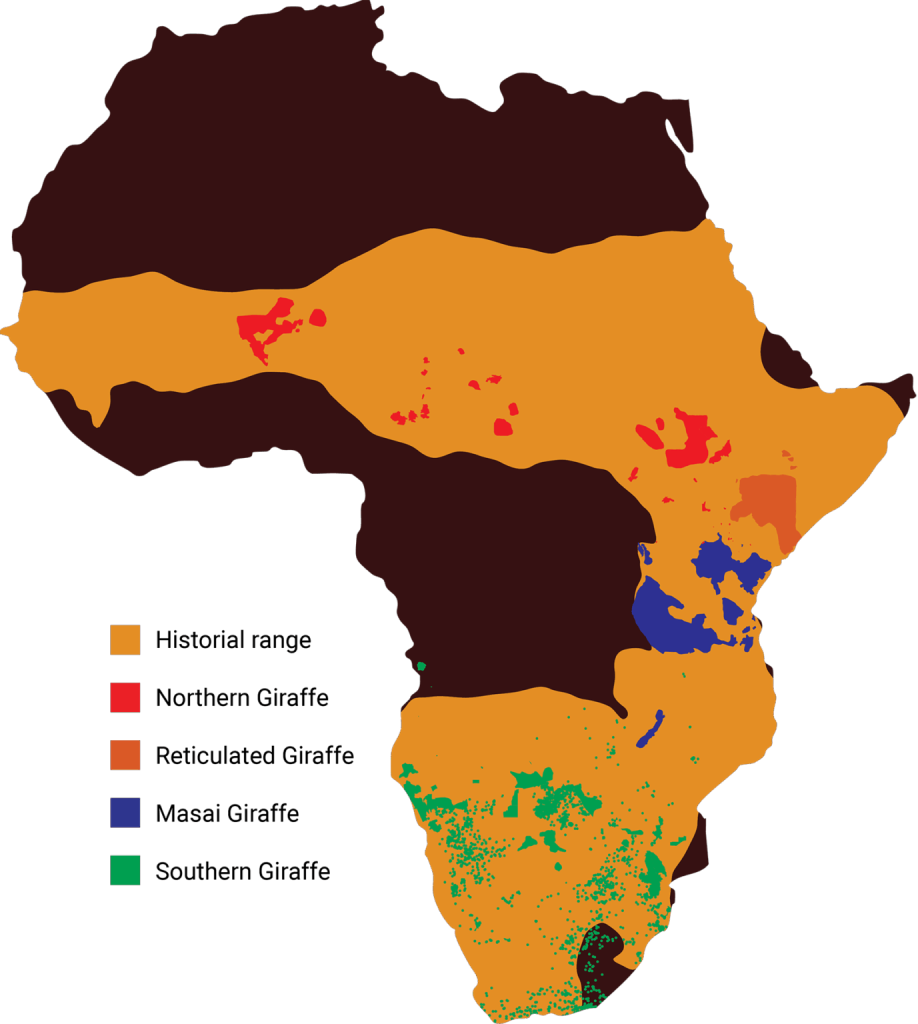
The research process included collecting genetic samples from giraffes across more than a dozen African nations, including remote and conflict-prone areas such as South Sudan, Niger and Chad. The project also involved a detailed morphological analysis of giraffe skulls, linking genetic data with physical traits.
Prof Axel Janke, lead geneticist at the Senckenberg Centre, said: “It is rare to discover new large mammal species today, particularly one as well-known as the giraffe. But our findings show that these four species are as genetically distinct from one another as polar bears are from brown bears.”
Regional relevance
In the Middle East, conservation experts say the findings offer a valuable model for regional wildlife management, particularly in countries investing heavily in biodiversity preservation, such as the UAE and Saudi Arabia.
Dubai’s Al Marmoom Desert Conservation Reserve and the King Salman Royal Reserve in Saudi Arabia are examples of government-backed efforts to reintroduce and protect endangered species.
Although giraffes are not native to the Arabian Peninsula, some Gulf nations have played a role in supporting African conservation through funding and wildlife exchange programmes. Zoological institutions in the UAE, such as Al Ain Zoo, house several giraffe subspecies and may need to update records and care protocols in light of the new taxonomy.
“Better species-level understanding always improves our ability to manage captive and wild populations effectively,” said a senior conservation officer in Abu Dhabi.
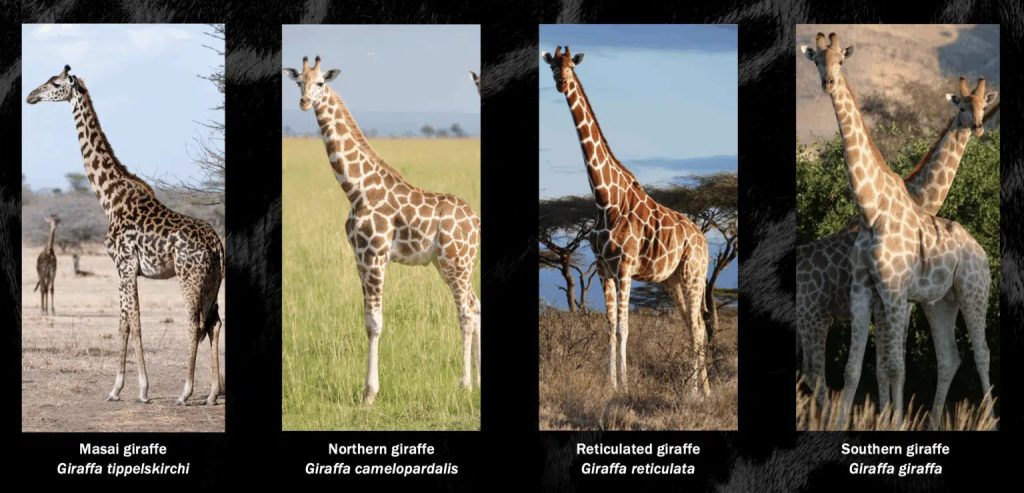
The IUCN is now expected to assess the conservation status of each of the four species individually. Experts say this could lead to greater international support and legal protection for the most threatened giraffe populations, including increased restrictions on trade and habitat encroachment.
Stephanie Fennessy, Executive Director of the Giraffe Conservation Foundation, said: “What a tragedy it would be to lose a species we’ve only just realised exists.”
Giraffes have lost nearly 90% of their historical range over the past 300 years. As the world’s tallest land mammals, they remain an enduring symbol of Africa’s biodiversity. But scientists warn that without urgent and species-specific conservation efforts, some giraffes may disappear from the wild within a generation.
The Giraffe Conservation Foundation is the only NGO in the world that concentrates solely on the conservation and management of giraffes in the wild across Africa.
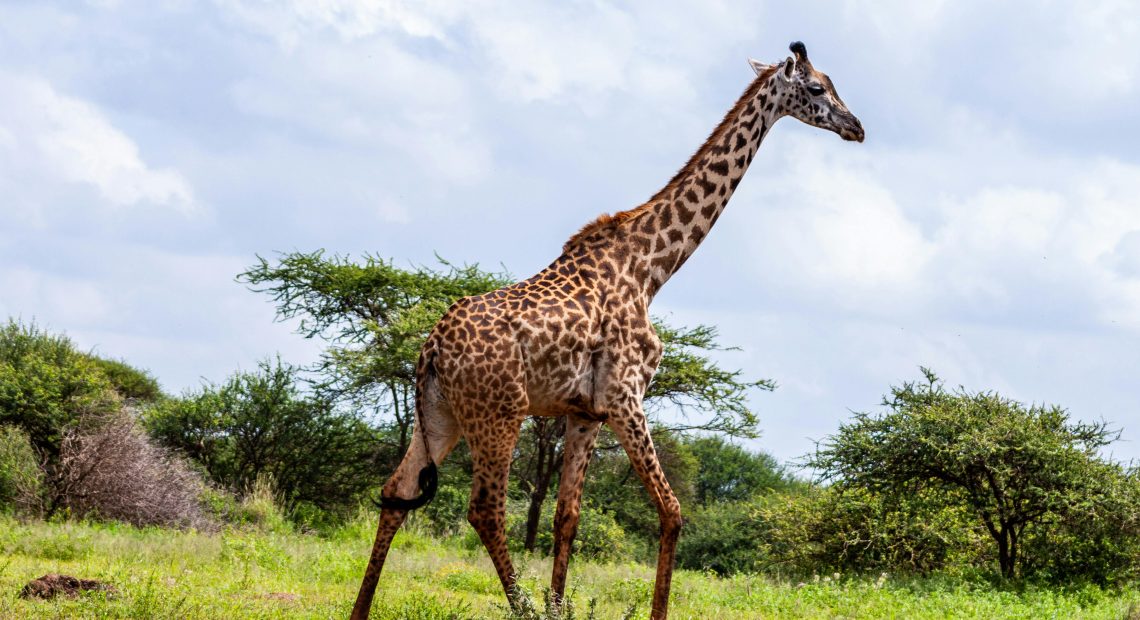
Hero image credit: Habitat loss, armed conflict, illegal hunting and human encroachment are among the key drivers of giraffe loss across Africa. Credit: Africa Vacation Safaris