
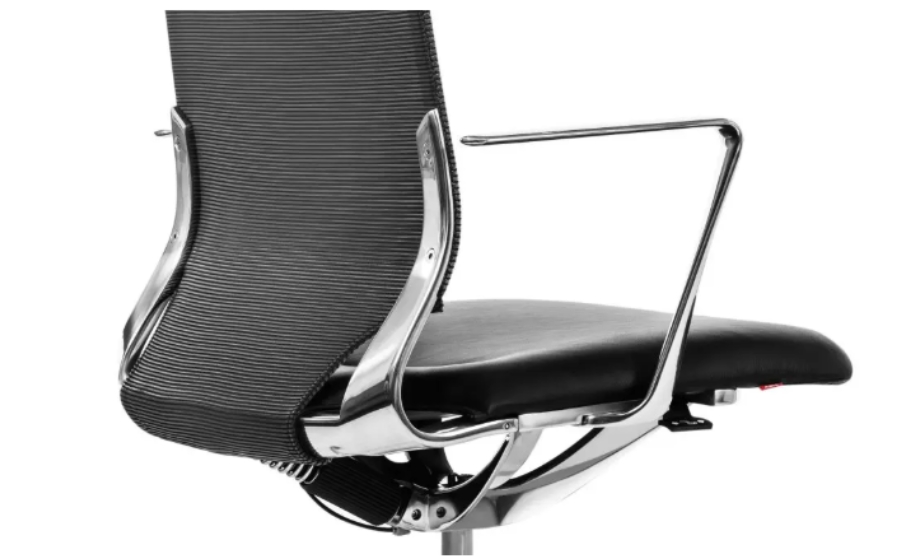
The modern workplace is increasingly designed around employee wellbeing. From lighting and acoustics to layout and furniture, companies are recognising that physical comfort plays a significant role in performance. One of the most important elements in this equation is seating. Industry specialists such as Urban 411 office furniture emphasise that an ergonomic chair is not simply a place to sit but an essential tool that supports posture, focus, and long-term workplace health.
Unlike traditional office seating, ergonomic chairs are engineered to support the body’s natural alignment during extended periods of desk work. Properly designed seating distributes weight evenly, supports the spine, and allows users to adjust their position throughout the day. In doing so, it reduces the physical strain that often develops when employees remain seated for long hours.
The Science of Postural Support and Spinal Health
The human body is not designed to remain static for long periods, particularly in positions that compromise the spine’s natural curvature. Conventional office chairs frequently encourage slouching, flattening the lumbar curve and placing unnecessary pressure on the spinal discs.
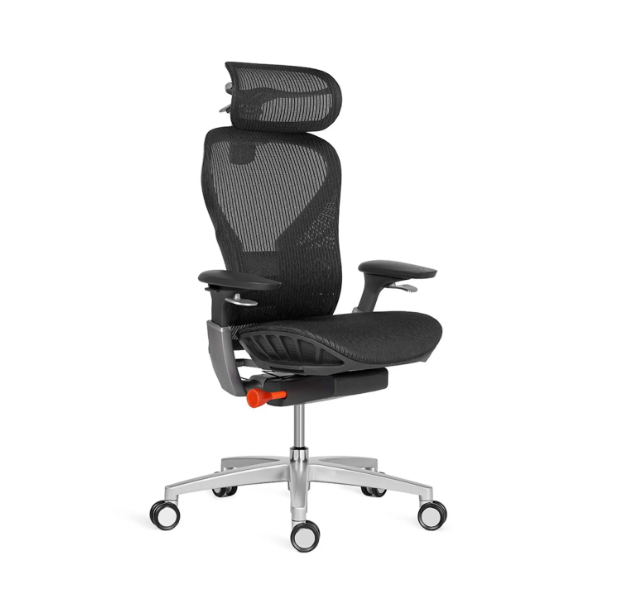
Ergonomic seating is specifically designed to counter these issues by maintaining the spine’s natural “S” shape. Through adjustable features and targeted support, these chairs help create a personalised seating position that aligns with the body’s natural biomechanics.
Dynamic Lumbar Support
Adjustable lumbar systems maintain consistent support for the lower back, preventing spinal flattening and reducing pressure on discs and surrounding muscles.
Pelvic Alignment Support
Properly designed seat pans and backrests help maintain a neutral pelvic position, which forms the foundation for healthy spinal alignment from the lower back to the neck.
Reduced Muscular Strain
When the body is adequately supported, muscles no longer need to compensate for poor posture. This reduces fatigue and helps maintain an upright position throughout the working day.
By working with the body’s natural mechanics rather than against them, ergonomic seating becomes a key component in workplace health and comfort.
The Connection Between Comfort and Productivity
When physical strain is reduced, employees can focus more effectively on their work. Workplace studies have consistently shown that discomfort and fatigue negatively impact concentration and performance.
By addressing these physical challenges, ergonomic seating helps unlock improved cognitive performance and workplace efficiency.
Improved Focus
Reducing physical distractions allows employees to remain engaged in tasks for longer periods, supporting deeper concentration and more consistent output.
Better Workplace Morale
Comfortable working environments contribute to employee satisfaction and overall wellbeing, which in turn supports stronger team performance and collaboration.
For organisations seeking to improve productivity, seating design plays a more important role than many realise.
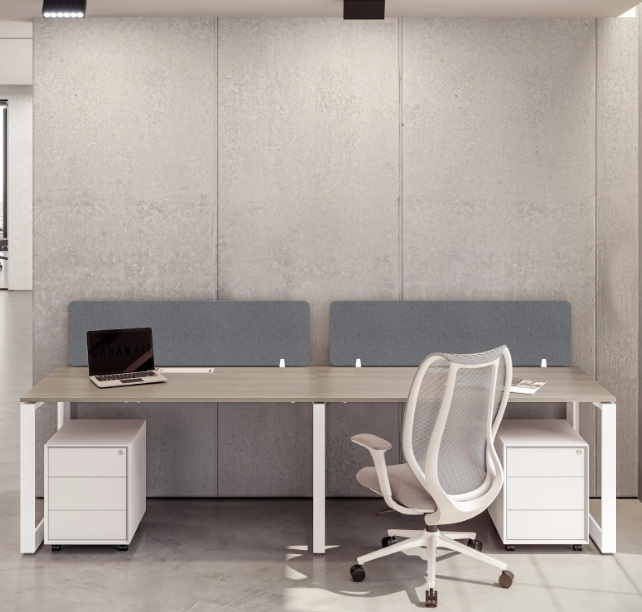
Essential Features of Ergonomic Office Chairs
What distinguishes ergonomic seating from conventional office chairs is the ability to adapt to individual users. Adjustable components allow each employee to tailor their seating position to their own body dimensions and working habits.
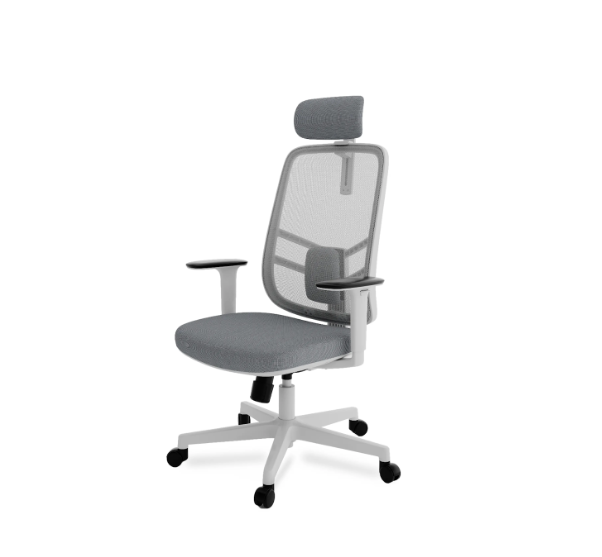
Adjustable Armrests
Height and angle adjustable armrests help support the shoulders and neck during computer work, reducing tension during prolonged typing or mouse use.
Seat Height and Depth Adjustment
These controls allow users to maintain proper leg positioning with feet flat on the floor, promoting circulation and preventing numbness.
Breathable Materials
High-quality mesh backs and supportive cushioning help regulate temperature and maintain comfort during extended periods of use.
These features ensure that seating can accommodate a wide range of body types and work styles, making ergonomic chairs suitable for modern office environments.
Conclusion
In today’s knowledge-driven workplaces, employee wellbeing is closely connected to productivity and performance. Ergonomic chairs demonstrate how thoughtful furniture design can support both physical health and workplace efficiency.
By maintaining proper posture, reducing fatigue, and supporting natural movement, these chairs help create the conditions necessary for sustained concentration and long-term comfort.
For organisations looking to improve workplace environments, exploring solutions from providers such as Urban 411 office furniture highlights how ergonomic seating can contribute to healthier and more productive workspaces.