Jabal Nazwa Conservation Reserve in southeastern Dubai stands as an important natural habitat, bringing together distinctive geological formations, desert ecosystems and diverse wildlife within an area of 0.48 square kilometres.
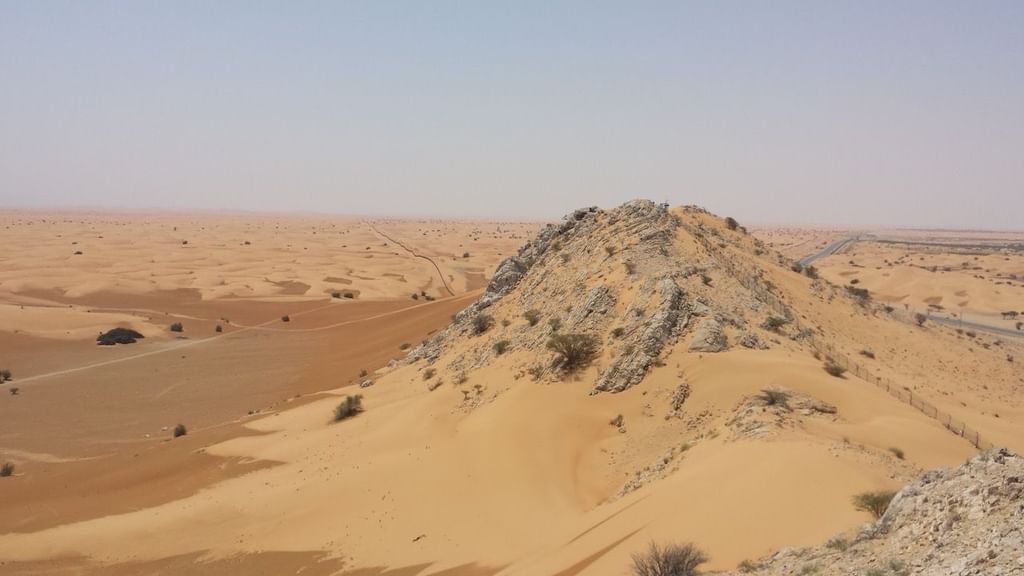
The reserve is recognised for its unusual limestone mountain formation, classified as an inselberg, a rocky elevation that rises independently above the surrounding desert plains. This geological feature creates environmental conditions that differ from the nearby sandy landscape, allowing various plant and animal species to thrive.
According to the Dubai Environment and Climate Change Authority (DECCA), the reserve supports 111 bird species, 20 mammal species, 24 reptile species, 21 invertebrate species and 70 plant species, demonstrating its significance in protecting Dubai’s natural biodiversity.
Ahmed Mohammed bin Thani, Director-General of DECCA, highlighted Jabal Nazwa’s ecological and cultural importance, noting that its combination of geological features, desert landscapes and mountain habitats reflects Dubai’s rich natural heritage.
He reaffirmed the Authority’s commitment to safeguarding these ecosystems and ensuring their preservation for future generations.
Established under Decree No. 22 of 2014, Jabal Nazwa Conservation Reserve is located near the Dubai Desert Conservation Reserve. Its rocky terrain provides shelter for two bat species native to the Arabian Peninsula, while supporting numerous resident and migratory birds.
The reserve’s vegetation includes Acacia tortilis trees and several Euphorbia species, particularly Euphorbia larica and Euphorbia granulata, which have adapted to the region’s challenging desert climate.
Wildlife recorded in the area includes Arabian oryx, sand gazelles, mountain gazelles, locally known as Al Damani, and Gordon’s wildcat. Some of these animals move between Jabal Nazwa and the neighbouring Dubai Desert Conservation Reserve, highlighting the ecological connection between the protected areas.
Beyond its environmental significance, Jabal Nazwa also holds cultural value through its historical association with traditional honey production. The presence of dwarf honeybees (Apis florea) reflects the longstanding relationship between local communities and the surrounding natural environment.
DECCA continues to strengthen conservation efforts through wildlife monitoring programmes and scientific research focused on native species and their habitats. These initiatives provide essential information for biodiversity protection and sustainable reserve management.
The Authority’s conservation programmes also support the objectives of the Kunming-Montreal Global Biodiversity Framework and the UAE Green Agenda 2030, reinforcing Dubai’s efforts to protect its natural ecosystems and preserve environmental resources for future generations.