
For missile and radar systems
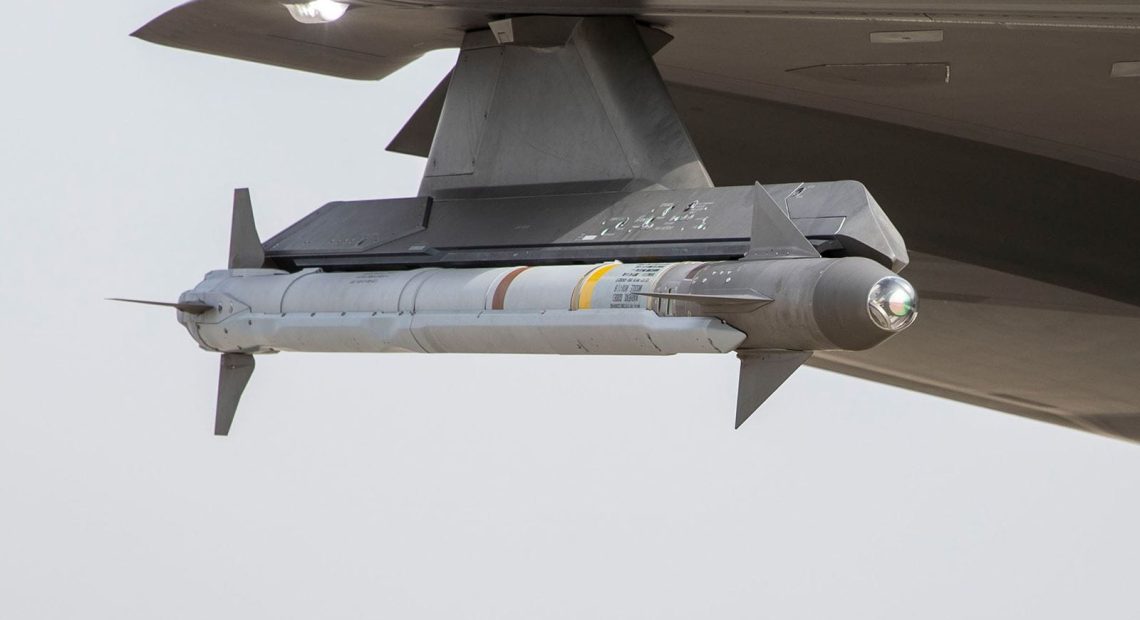
The US Navy has awarded two contracts totalling $1.64 billion to Raytheon, a subsidiary of RTX Corporation, to boost production of the AIM-9X Block II missile and expand deployment of the Spy-6 radar system across the American naval fleet.
The larger of the two contracts, valued at $1.1 billion, is the biggest awarded to date for the AIM-9X programme.
The funding will scale up annual missile production to 2,500 units. The AIM-9X is a short-range, infrared-guided missile system used in air-to-air and surface-to-air operations. It forms part of a joint programme between the US Navy and the US Air Force and is currently in service with over 30 allied and partner nations.
The missile is compatible with a broad range of aircraft and can be integrated into ground-based systems such as Nasams, which is also in use across parts of the Middle East. With its combat-proven record and flexibility, the AIM-9X remains a sought-after option among regional defence forces seeking to modernise air defence capabilities amid heightened security concerns.
Separately, Raytheon was also awarded a $536 million contract to support the Spy-6 family of radars. The contract includes engineering services, software enhancements, ship integration, and personnel training. It is a continuation of a prior agreement and provides for the installation of the Spy-6 (V) 4 variant on Flight IIA Arleigh Burke-class destroyers.
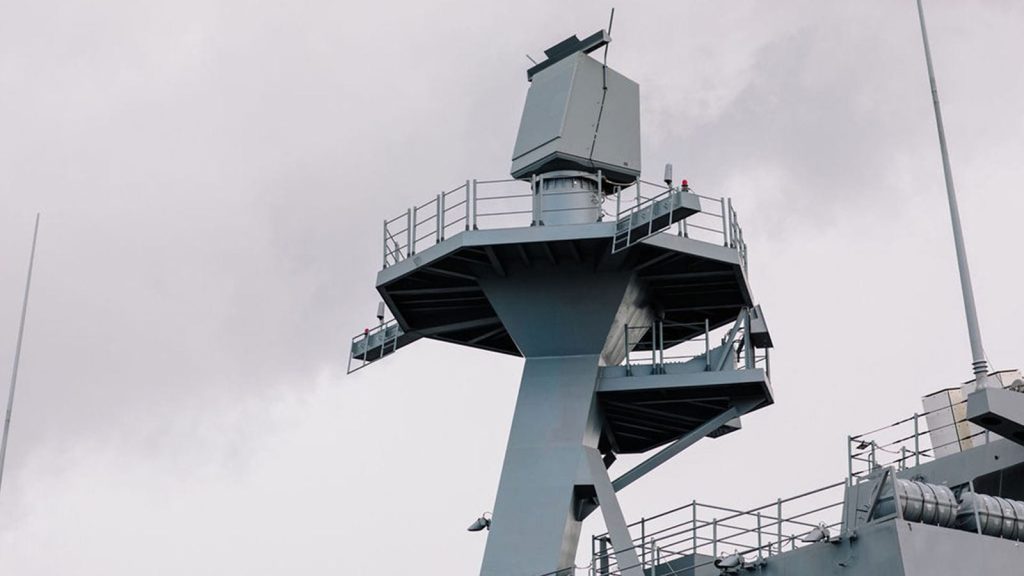
Spy-6 radar systems are designed to provide detection and tracking against a wide range of threats, including ballistic missiles, aircraft and surface vessels. Two US Navy ships are currently fitted with Spy-6 systems, and three more are undergoing installation and testing, with completion expected in 2025. The radar is scheduled for deployment on over 60 ships in the coming decade.
The Arabian Gulf region has shown growing interest in radar and missile defence technologies as regional tensions and asymmetric threats continue to evolve, with the recent Israel-Iran conflict being immediately apparent.
Systems like the AIM-9X and Spy-6 are likely to play a significant role in the long-term strategic planning of several countries in the Middle East, particularly as interoperability with US and Nato equipment becomes an increasingly important priority.
Both contracts reflect broader trends in global defence procurement, with governments placing greater emphasis on systems that can be rapidly deployed, upgraded and integrated across platforms. The work on the Spy-6 contract is expected to be completed by May 2026.
As geopolitical uncertainties grow across the Middle East and North Africa, the demand for multi-domain defensive technologies is expected to remain strong. Industry analysts view these developments as part of a broader effort by the US and its partners to enhance naval capabilities in key theatres, including those adjacent to major maritime trade routes.
Hero image: The AIM-9X missile is compatible with a broad range of aircraft. Credit: US Marine Corps.