As Dubai continues to evolve as a global design hub, the way people think about interiors and outdoor spaces is changing too.
For Summer 2026, Tile of Spain identifies that the focus is shifting towards calm sophistication, natural textures and materials that combine aesthetic appeal with high performance. In this context, ceramic tile is emerging as one of the most relevant surface solutions for contemporary luxury homes, hospitality destinations and lifestyle-led developments across the region.
This is why surface selection has become a defining design decision. In high-end villas, branded residences, hotels and private hospitality settings, the surfaces beneath our feet and on surrounding walls influence how a space feels and how it performs over time. Consumers are increasingly drawn to materials that convey authenticity, moving beyond flawless, highly polished finishes. Stone-inspired tiles featuring layered textures, mineral finishes and naturally weathered surfaces are gaining popularity for their understated elegance and organic appeal.
This year, design trends across the Middle East are moving towards calmer, warmer and more tactile aesthetics, with a growing preference for spaces that feel natural, inviting and quietly refined rather than overly luxurious.
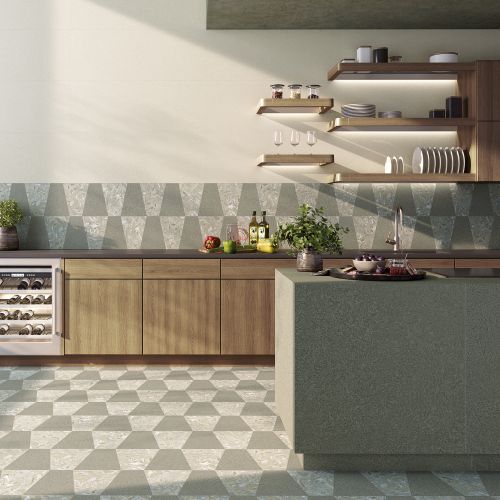
Tile of Spain highlights the current Spring/Summer trends emerging across Dubai and the wider GCC region highlight warm neutrals, soft sand, greige, ivory and limestone-inspired tones. Broader market influences also point towards earthy palettes, and nature-inspired greens, reflecting the growing focus on a softer and more inviting interior aesthetic.
Ceramic surfaces are particularly well suited to this evolving design direction. Spanish ceramic tiles can replicate the appearance of stone, wood, plaster, and other natural materials with remarkable realism, while offering the technical characteristics required in a warm-climate luxury market. The result is a material that feels authentic and sophisticated without compromising on practicality.
One of the strongest trends shaping homes and hospitality spaces in Dubai is the desire for continuity and the creation of sanctuary-like environments. As homes and guest spaces increasingly serve as places of retreat, surfaces are being specified to promote mindfulness, comfort, calm and emotional well-being. Homeowners, designers and hotel operators are increasingly treating interiors and outdoor living spaces as one connected experience, with living areas open onto shaded terraces, dining rooms extending into outdoor kitchens, and poolside settings designed with the same level of refinement as the interiors beside them.
Ceramic facilitates this transition seamlessly. Large-format tiles, soft tonal palettes, natural textures and contemporary stone-inspired finishes can create continuity across interiors, terraces, courtyards, pool surrounds and social spaces. In Dubai, where outdoor areas are used for much of the year, this kind of continuity is not simply aesthetic; it supports the way people live, relax and entertain.
Colour palettes are evolving too. Soft Mediterranean tones are particularly relevant to Dubai’s climate and lifestyle, bringing lightness without glare and warmth without heaviness. Shades of sand, ivory, clay, limestone and greige sit comfortably alongside architectural landscaping, shaded outdoor furnishings and water features. Green tones are also becoming increasingly prominent in wellness-focused interiors and hospitality projects, where biophilic design contributes to a sense of calm and retreat.
Today’s designers are focusing on creating spaces that evoke emotion and comfort rather than simply delivering visual impact. As a result, texture has emerged as a defining element of contemporary interior design, bringing depth, character, and sensory richness to both interiors and outdoor settings.
Refined wood-effect ceramics, brushed stone looks, handmade-feel surfaces, and gently irregular finishes can add depth and character without overwhelming a space. In luxury interiors, where restraint is often more powerful than excess, it is often these understated details that define the overall experience.
However, design trends alone are not enough; materials must also meet the practical demands of everyday use. Dubai’s premium residential and hospitality environments experience high levels of activity throughout the year. From pool areas and outdoor kitchens to terraces, spas, bathrooms, and dining spaces, surfaces must endure heat, moisture, frequent cleaning and heavy foot traffic while maintaining their appearance. Made from natural raw materials such as clay and sand, ceramic is durable, hygienic, recyclable, fire-safe, and suitable for long-term performance.
These qualities are particularly valuable in hospitality and high-end residential settings, where surfaces must comply with hygiene standards, fire safety requirements, and regular use without demanding constant maintenance. For designers and specifiers, ceramic offers a solution that combines visual sophistication with durability, safety and low maintenance.
Sustainability has become an integral part of the luxury specification. For globally minded homeowners, developers and hospitality brands, luxury materials are now expected to deliver environmental responsibility alongside beauty and performance. Spanish ceramic tiles align with this shift through their durability, recyclability, long service life and the sector’s ongoing commitment to more sustainable manufacturing practices
For summer 2026, ceramic’s relevance in Dubai extends far beyond any single room or design style. It belongs in calm interiors, shaded terraces, poolside settings, outdoor kitchens, wellness areas, ventilated façades, and hospitality environments where surfaces are expected to perform effortlessly while contributing to a cohesive design vision.
This is why ceramic is becoming one of the materials that best reflects Dubai’s next chapter in luxury design, where warmth, durability, hygiene, sustainability are valued alongside understated sophistication.