
A blend of history, culture, and modernity
Valencia, Spain: The world-renowned Spanish city of Valencia remains an ideal tourist destination despite the recent challenges caused by flooding in the region.
Speaking exclusively to Middle East News 247 in Valencia on February 24, 2025, about the impact of the flood in October 2024, David Arlandis, Product Manager, Visit Valencia, highlighted the city’s resilience to overcoming natural calamities.
He explained that while the surrounding villages in the southern part of the city were affected, Valencia remained unaffected, a testament to the city’s strength and ability to bounce back.
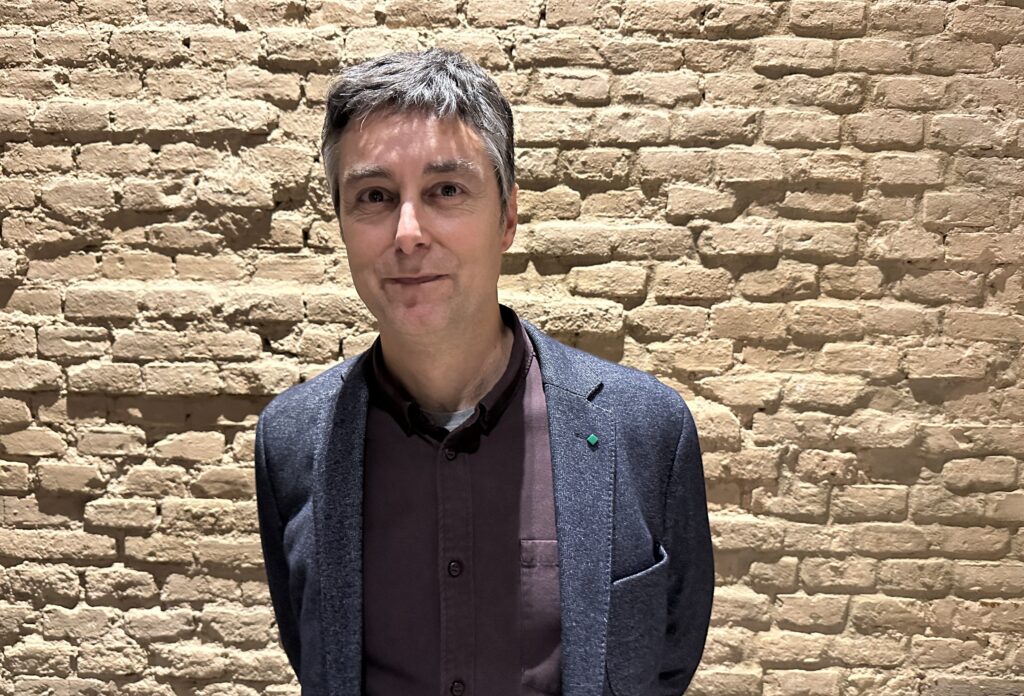
He reassured that the flood primarily impacted transportation for a short time. Still, the city has since recovered and returned to normal operations, ensuring the audience’s security and ease of travel.
“The city is wonderful, and visitors worldwide can come to Valencia without concerns. Everything is working as before the flood,” Arlandis assured.
“We recommend a minimum stay of three days to experience all Valencia has to offer, as Valencia has a vibrant historical centre with more than 2,000 years of history,” he added.
Unique blend
Valencia, a city that has been continuously inhabited for over two millennia, offers a unique blend of ancient history and cutting-edge modernity. It served as an Islamic city for over 700 years, and visitors can see the remnants of this period in the city’s architecture, gastronomy, and language, creating an intriguing and exciting experience for all.
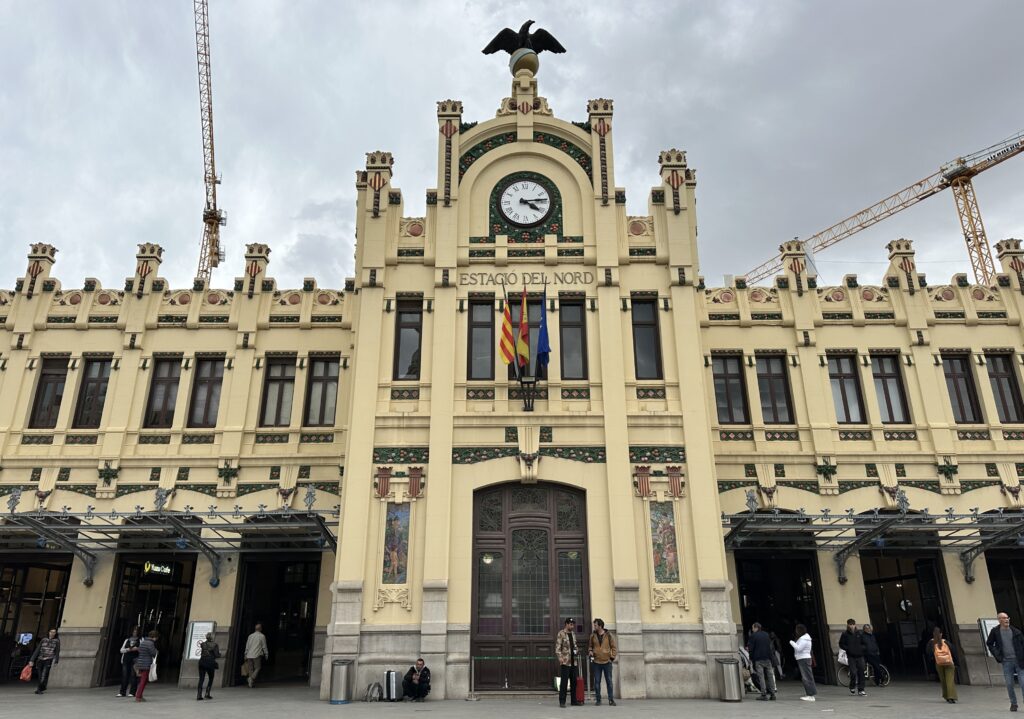
Valencia boasts stunning historical sites for those interested in cultural exploration, such as its centuries-old buildings, Islamic influences, and famous ceramic traditions.
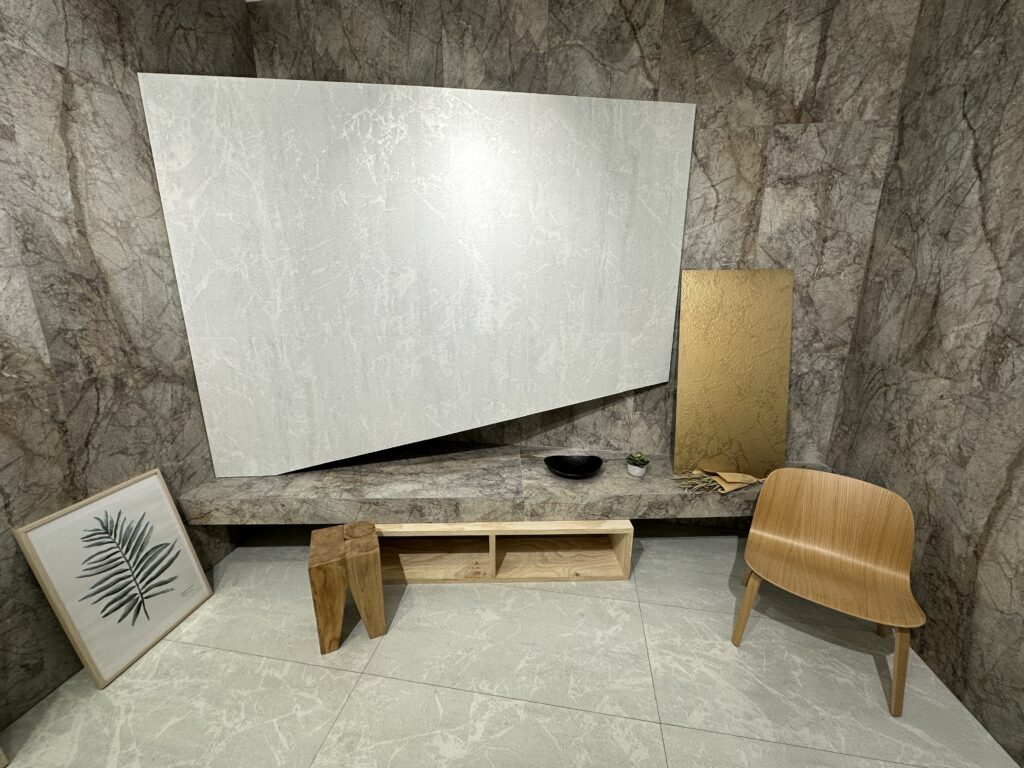
Valencia is renowned for its world-class ceramic wall and floor tile industry, with a history dating back centuries. The region is home to leading manufacturers that blend innovation with craftsmanship, producing high-quality tiles admired globally.
Valencia’s ceramic industry benefits from advanced technology, design expertise, and sustainable practices, ensuring tiles are aesthetically stunning and durable. Valencian ceramic tiles are widely used in residential, commercial, and public spaces, establishing the region as a hub of excellence in the global tile market.
Modern attractions
The City of Arts and Sciences, designed by world-renowned architect Santiago Calatrava, is among Valencia’s modern attractions. Arlandis highlighted how the city’s balance between its rich historical past and contemporary art is a key draw for tourists. The Opera House and various museums showcasing contemporary art also add to the region’s appeal.
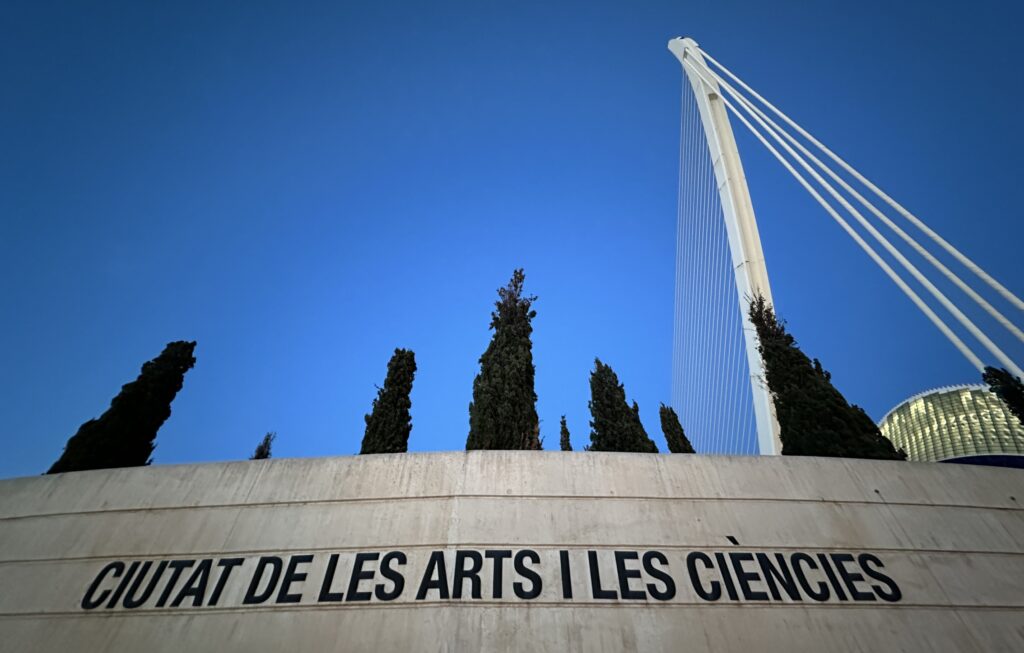
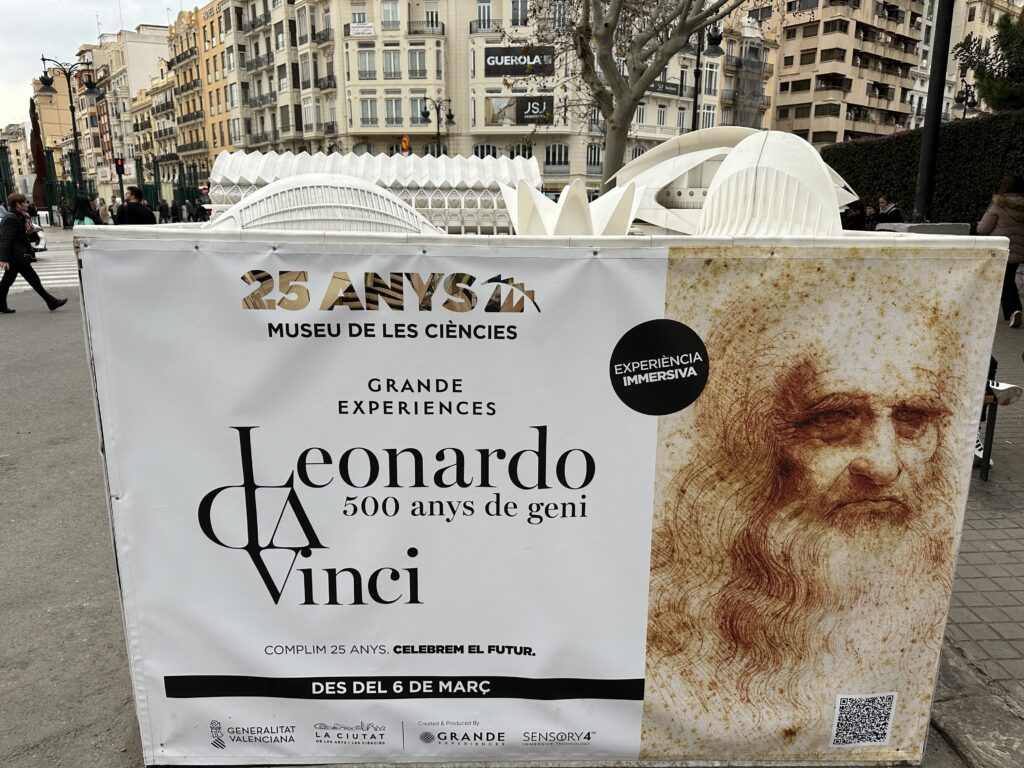
“Valencia offers a unique mix of historical richness and modernity that visitors from the Middle East will find both familiar and exciting,” said Arlandis. “For those who appreciate the historical richness of Spain, there is no better destination.”
As for the best time to visit, Arlandis recommends winter and spring as the ideal seasons to explore Valencia, particularly for Middle Eastern visitors.
“Winter in Valencia is very mild, and spring is beautiful,” he noted. “While summer can be a bit warmer, it’s still manageable, and for visitors from warmer climates, the temperature here might feel quite comfortable.”
With its historic charm, world-class architecture, and Mediterranean weather, Valencia is poised to become a top choice for Middle Eastern tourists seeking a blend of culture, history, and modern attractions.
Hero image: The City of Arts and Sciences, designed by world-renowned architect Santiago Calatrava, is among Valencia’s modern attractions. Credit: Arnold Pinto