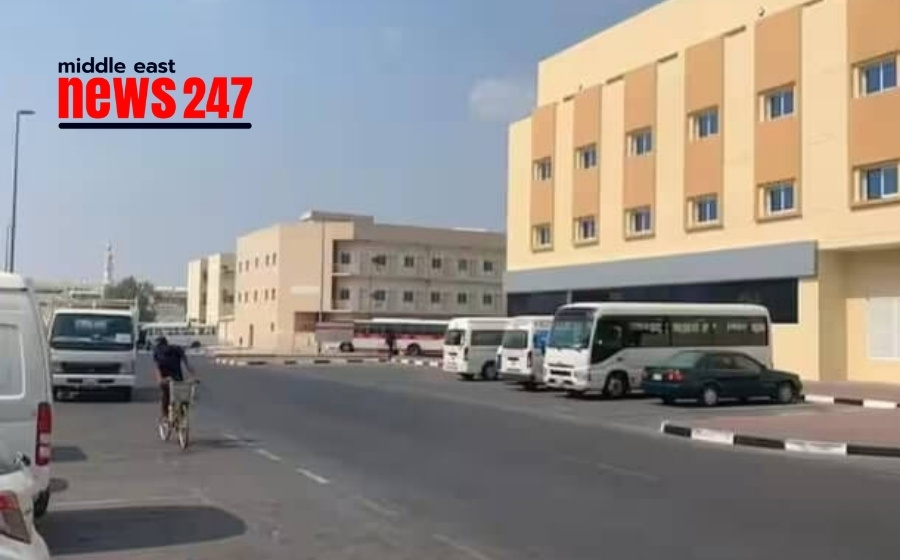
Sonapur, Dubai, in the Middle East, is a well-known worker community on the northern edge of the city, close to Al Muhaisnah and the Sharjah border. Often linked with the City of Gold, this district is home to around 200,000 workers involved in construction, hospitality, logistics, and retail. Unlike the tallest towers and luxury hotels seen across the city, daily life here is shaped more by practical housing, affordable costs, local rules, medical care, shopping, and reliable transport.
From my experience looking at worker areas, understanding the exact location and available transport options gives a much clearer picture of life in Sonapur, especially as future development plans continue to change the area.
What Is Sonapur Dubai Known as?
Sonapur Dubai, as seen in recent rental ads on dubizzle and Bayut, is mainly known for labour camps, staff accommodation, and workforce housing. With MOHRE-approved camp options, it has developed as a practical, work-related accommodation zone where companies and employers arrange organized accommodation for workers and staff.
Unlike established areas designed as a standard residential lifestyle area, Sonapur is more focused on labour, camps, accommodation, and workforce housing, making it an in-demand zone for employers seeking suitable rental options. For many businesses, this Dubai area offers straightforward housing solutions close to where their workforce is based, while its MOHRE-approved camp options make it a practical choice for employer-provided accommodation.
Where Is Sonapur Located in Dubai?
Sonapur, commonly associated with Al Muhaisnah 3, is a district in northern Dubai, positioned close to Al Qusais, the Industrial Area, and the Dubai–Sharjah border. Administratively, it falls within the broader Al Muhaisnah zone, alongside Muhaisnah 2 and Muhaisnah 4, although people often use Sonapur as a practical name for the worker-focused area.
Its position makes it strategically useful for companies operating across both emirates, as workers can reach job sites in Dubai and Sharjah with relatively equal ease. From my experience of Dubai worker areas, this place mainly works as a link between job zones rather than a normal residential area.
| Location Detail | Information |
| District | Al Muhaisnah 3 |
| Nearby Border | Dubai–Sharjah border, about 5 minutes by car |
| Nearby Area | Al Qusais Industrial Area |
| Location | Northern Dubai |
| Estimated Population | Around 200,000 workers |
| Common Name | Sonapur / Labour City |
Sonapur Dubai Route and Transportation Guide
Getting to and from Sonapur is easy, with convenient road connections, RTA bus services, and metro feeder options.
Road Routes to Sonapur
For workers, Sheikh Mohammed Bin Zayed Road, E311 is a primary highway connecting Sonapur with the rest of Dubai, while Emirates Road, E611 provides direct access to major routes and Sharjah. Heavy traffic, especially morning traffic and evening traffic on working days, can slow travelling and commuting, but these roads provide reliable road access, transportation, and highway connections for workers.
RTA Bus Connectivity
Seven RTA bus routes serve Sonapur, linking the area with major transit hubs across Dubai. For many workers, these buses are the main way to commute each day.
| Bus Route | Main Route / Stops | Service Details |
| Route 13 | Gold Souq ↔ Sonapur | Main route with frequent service |
| Route 13A | Gold Souq ↔ Sonapur | Express service |
| Route 13B | Gold Souq ↔ Sonapur | Service with additional stops |
| Route 13D | Gold Souq ↔ Sonapur | Night service |
| Route 17 | Sabkha Bus Station ↔ Sonapur | Important Deira connection |
| Route 32C | Al Qusais ↔ Sonapur | Local industrial-area connection |
| Route 33 | Deira City Centre area ↔ Sonapur | Deira connection |
All listed routes are managed by RTA and support nol card payments. Bus frequency is higher during peak commuting hours, especially from 6–9 AM and 5–8 PM.
By Metro and Feeder Bus
Workers without a direct bus connection can reach the area using the Dubai Metro through the Green Line.
| Step | Information |
| Nearest Metro Station | Etisalat Station, on the Green Line |
| Feeder Bus Travel Time | Around 10–15 minutes to reach Sonapur |
| Main Green Line Connections | Union Station, BurJuman, Al Qusais |
| Metro Operating Hours | 5:30 AM – 12:00 AM on weekdays, with longer hours on weekends |
From Etisalat Station, workers can use the designated RTA feeder bus heading toward Al Muhaisnah. This connection is commonly used by workers travelling to job sites in Deira and Bur Dubai.
Life for Workers in Sonapur
In 2026, Sonapur has seen a significant transformation from a decade ago, when overcrowding and poor facilities were more common. Government-enforced standards have reshaped worker accommodation and living conditions, making daily life more organised, though conditions can still vary in Sonapur and may look like a busy shared residential community.
UAE Worker Housing Regulations for 2025–2026
The UAE government has set mandatory minimum standards for worker accommodation, and these requirements apply to all camps and residential buildings in Sonapur.
| Aspect | Specification |
| Personal space | At least 3 square metres per worker |
| Room capacity | Maximum 8–10 workers per room |
| Bunk beds | Triple-level bunk beds are prohibited |
| Air conditioning | All rooms must have air conditioning |
| Kitchen | A fully equipped shared kitchen is required |
| Washing facilities | Laundry and bathroom facilities must be available in each building |
Company Accommodation Rules (Effective 2025)
| Category | Standard |
| Housing responsibility | Companies with 50 or more workers must provide accommodation |
| Salary limit | Applies to workers earning less than AED 2,000 per month |
| Facility standards | Accommodation must meet all government minimum standards |
| Inspections | Checked by Dubai Municipality and MOHRE |
Since 2025, companies that fail to meet these standards may face fines and licensing issues. These requirements have helped improve living conditions for lower-paid workers in Sonapur.
Sonapur Accommodation Costs (2025–2026)
For workers without company housing, private accommodation in Sonapur is available at different price levels.
| Accommodation Type | Monthly Rent (AED) | Typical Inclusions |
| Basic shared room (6–8 occupants) | 1,500–2,000 | Bed, communal bathroom, shared kitchen |
| Standard shared room (4 occupants) | 2,000–2,800 | Air conditioning, common facilities |
| Improved room (2 occupants) | 2,800–3,500 | Air conditioning, attached bathroom, upgraded kitchen |
| Company-provided accommodation | Free or deducted from salary | Depends on employer |
Rates depend on the camp operator, year, and quality of facilities. Under UAE labour regulations in 2025, employees earning less than AED 2,000 per month are eligible for accommodation provided by their employer.
Healthcare Services in Sonapur
Healthcare access in Sonapur has improved significantly, giving workers easier access to basic and preventive medical care without travelling long distances.
| Facility | Type | Services |
| Al Muhaisnah Medical Fitness Center | Government centre | Health checks and basic medical services |
| Access Clinic | Private clinic | Doctor visits and minor treatments |
| Advanced Care Medical Center | Private centre | General and specialist medical care |
For workers in the area, Al Muhaisnah Medical Fitness Center is the main facility for healthcare checks when renewing residency permits, while Access Clinic and Advanced Care Medical Center are private healthcare options for general illness, minor injuries, and everyday medical care at a nearby clinic or medical center facility.
Shopping and Social Life
The Labour Community Market is a busy social and shopping hub in Sonapur, where workers can find groceries, clothes, electronics, and home essentials at prices suited to labour budgets.
| Category | What You Can Find |
| Food & Grocery | South Asian, South-East Asian, and Arab food staples |
| Clothing | Work uniforms, casual clothes, and prayer wear |
| Electronics | Mobile phones, phone accessories, and SIM cards |
| Remittance | Money transfer services, including Western Union and exchange houses |
| Food Stalls | Restaurants and takeaways offering Indian, Pakistani, and Bangladeshi cuisine |
Day-to-Day Market Activity
| Day | Activity Level | Market Pattern |
| Friday | Very High | The busiest day because most workers have their weekly day off |
| Saturday | High | Good visitor numbers as some sectors get a part-day off |
| Sunday–Thursday | Moderate | Most shopping happens in the evening after work |
Friday is the busiest day, with workers from India, Pakistan, Bangladesh, and Nepal coming together to shop, socialise, send money home, and meet their communities. The market becomes more than a place for shopping—it also serves as a lively social gathering.
Sports, Fitness, and Recreation
Physical wellbeing is now a key focus in Sonapur camps, where many facilities provide dedicated spaces for sports and exercise. \
| Facility | Details |
| Running Tracks | Walking and running areas in larger camp compounds |
| Cricket Playing Areas | Popular spaces for South Asian workers to play |
| Volleyball Playing Areas | Common in medium-sized and larger camps |
| Indoor Leisure Spaces | TV rooms, board games, and shared recreation areas |
Workers in Dubai’s labour communities can use recreation facilities after working hours for regular physical activity. These spaces are linked with lower injury rates and better mental health outcomes, while giving workers a chance to relax and socialise. Labour policy in Dubai increasingly acknowledges the value of accessible sports and recreation.
Why Sonapur Matters to Dubai
Sonapur is not just a housing area — it is an economic infrastructure node that makes Dubai’s construction and service sectors function.
Economic Role
Workers in Sonapur play an important role in several key sectors:
| Sector | Main Contribution |
| Construction | Hotels, offices, residential buildings, and infrastructure projects |
| Retail & Hospitality | Restaurants, hotels, and shopping centre operations |
| Logistics | Truck driving, warehousing, and goods transportation |
| Facilities Management | Cleaning, maintenance, and building services |
With around 200,000 workers in one area, companies can reduce operating costs. Centralising the workforce also makes transport, logistics planning, and emergency deployment faster and easier.
Key Company Connections
Dubai has a significant portion of its workforce based around Sonapur, making the area an important labour pool for Major companies such as Al Naboodah and Galadari. The proximity of Sonapur to major work sites gives these companies a large, accessible workforce, creating a direct operational advantage by making daily staff movement, workforce planning, and site deployment easier.
Sonapur’s Future Development Plans: 2026 and Beyond
Dubai Municipality has planned several infrastructure and facility upgrades for the Sonapur and Al Muhaisnah areas.
| Development Plan | Target Year | Details |
| Road improvements | 2026 | Widening key roads to reduce peak-hour traffic on working days and weekends |
| New retail outlets | 2026–2027 | More shops and food outlets planned for Muhaisnah 4 |
| Dining growth | 2026–2027 | A wider range of food choices to meet the needs of the diverse worker population |
| Housing inspections | Ongoing | Regular Dubai Municipality and MOHRE compliance checks across worker accommodation camps |
Future government acknowledgement of worker welfare can improve urban productivity, as it is directly linked to better roads, more retail, and better food access. These changes can reduce worker stress, improve retention, and help companies keep operating smoothly in the area.
Evolution Over Time
| Era | Living Conditions | Key Change |
| Pre-2015 | Overcrowded with basic facilities | Few formal rules were in place |
| 2015–2020 | Basic conditions started improving | Early labour accommodation standards were introduced |
| 2020–2024 | More inspections and stronger standards | COVID-era reforms sped up improvements |
| 2025–2026 | Minimum space, AC, and kitchen facilities required | A full regulatory framework became active |
Sonapur has shifted from a purely transactional zone for sleeping and workers into a stronger community with healthcare, recreation, and retail. This transformation reflects a shift in policy thinking, as government planning has recognised that workers require more than a bed to stay productive. Conclusion
Sonapur, Dubai, UAE has a clear identity as a worker community and workforce housing area, serving workers and people who need housing, accommodation, staff accommodation, labour accommodation, and labour camps. In north-eastern Dubai, near Muhaisnah 2 on the Dubai-Sharjah side, its nearby industrial access, infrastructure, medical access, and retail options support daily work-related needs and practical access.
Infrastructure upgrades, planned infrastructure upgrades, and housing regulations can help build a better environment where workers can live well and work better. While tourism, luxury district, lifestyle living, towers, and hotels define other parts of the city, Sonapur sustains an important workforce role, making it a practical area and useful accommodation zone for employer use, with data, listings, and area guides helping any researcher or person researching the area understand its significant, relevant, and increasingly improved role in Sonapur Dubai.
FAQs
Where Is Sonapur Located in the UAE?
Sonapur, located in Al Muhaisnah district, mainly covers Muhaisnah 2 and Muhaisnah 3 on the eastern outer edge of Dubai, UAE, near the border of the emirate of Sharjah. It is a massive residential and industrial area, known primarily as a major housing hub for low-income migrant workers.
How the 30-Minute Rule Works?
The Roads and Transport Authority (RTA) 30-minute rule lets you pay for one total trip when switching between Dubai Metro, tram, and public buses. Tap out and tap into another mode of transport with your nol card within 30 minutes, and the system combines the legs into a single continuous journey.
What Is Sonapur, Dubai Known For?
Sonapur, Dubai region, an informal name for Al Muhaisnah, is known for massive labor accommodation in an industrial district, where thousands of migrant workers live and build the city’s infrastructure. Hindi and Urdu are common, while the City of Gold adds an ironic nod to workers making its dreams real.
What is the distance between Sonapur and Dubai?
Sonapur, officially Muhaisnah, is a locality situated in the emirate of Dubai, UAE. Its driving distance from Bur Dubai is 16 km, taking roughly 16 to 30 minutes depending on traffic; Burj Khalifa is about 27 km away from the area.