
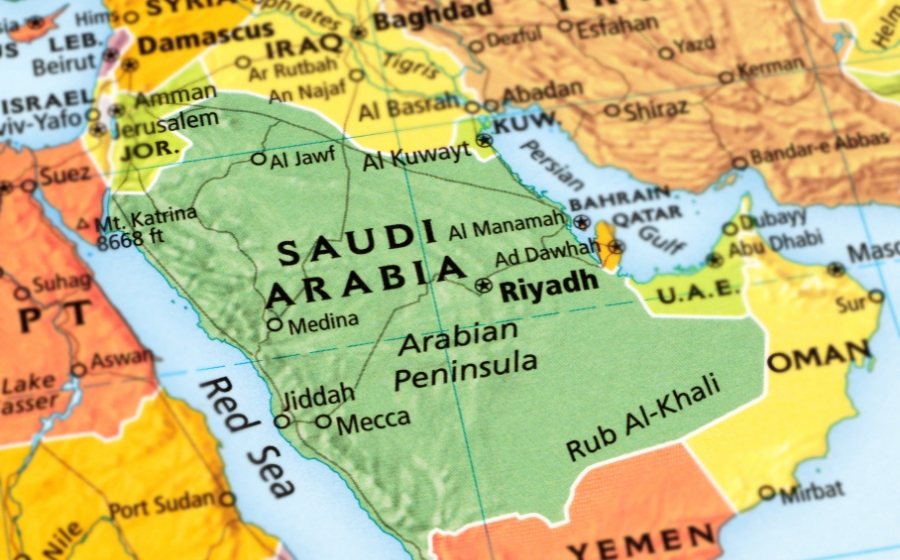
For international visitors, the Saudi Visa Online platform has made simpler travel to Saudi Arabia much easier through an online Saudi Arabia visa, an electronic travel authorization, and an electronic permit designed for travel purposes and business purposes. The Saudi e-Visa and Saudi e-Visa Application are part of the launch of the new e-Visa system, where the Saudi Visa Application process is automated, simple, and completely online, allowing applications to be completed within minutes for a stay of 30 days in the kingdom. As someone who has followed the country’s rapid reforms over the last decade, I have seen how the country became almost unrecognizable compared to the past, with women can drive, international celebrities visiting Riyadh, and more tourists all over the world arriving for sightseeing, cuisine, adventuring, and exploring famous destinations like Rub Al Khali, the famous desert, breathtaking beaches, and tourist sites. Still, foreigners, tourists, and other visitors should use this guide as a go-to guide for observing traditions, respecting the local way of life, local etiquette, local customs and traditions, and Saudi Arabia’s rules to avoid potential gaffes or landing in hot water. Even with growing leniency in some laws, many long-standing regulations and traditions to follow have existed for hundreds of years, and travelers should always preserve local customs during their travel and stay in the kingdom because understanding the cultural compass of the nation helps make tourism experiences smoother than ever.
Laws and Saudi Arabia.
In Saudi Arabia, both tourists and visitors are expected to follow strict laws, strict rules, and official regulations linked to Islam, the primary religion of the country. The legal system is influenced by Sharia law, the Quran, Islamic texts, and guidance from Islamic scholars, so understanding Saudi laws, religious laws, Islamic principles, cultural laws, and religion-based laws is important before you visit Saudi Arabia. From my travel experience, many people forget that simple mistakes like wearing the wrong clothes, behaving the wrong way, carrying the wrong thing, or ignoring public conduct rules can lead to a ticket, fines, being penalized, or facing serious penalties through strict enforcement. The Saudi Government and the government continue implementing laws, implemented laws, and reform laws to balance traditions, cultural values, modern civilization, and the modern world, while keeping the conservative society and conservative laws respected through ongoing legal reforms, legal updates, social laws, and national modernization over the years. Travelers should also know about prohibited items, import restrictions, banned items, illegal items, drugs, liquor, guns, and even prescription medication without a doctor’s note, because such items can be confiscated at the airport during airport security checks under customs regulations, travel laws, Saudi travel rules, Saudi regulations, and broader Government rules. Before boarding a plane, proper travel preparation, packing clothes, learning behavior rules, following legal obligations, respecting faith, understanding important verses, and reading reliable travel advice or a visitors guide can help residents and travelers abide by the Laws of Saudi Arabia while adapting to world changes without facing difficult laws in daily society. References to the Saudi Arabian Prince are often connected with national reforms, policy shifts, and efforts aimed at adapting the country laws to current global expectations while still protecting local identity and values.
Clothes to wear in Saudi Arabia
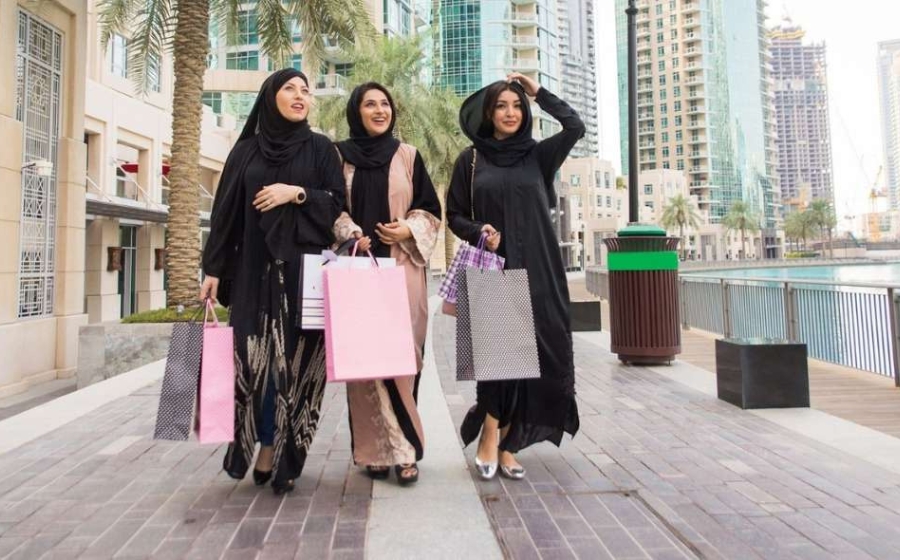
Fashion in Saudi Arabia has become more flexible, but modesty still remains one of the important rules connected to Saudi culture and cultural values. Many women visiting the kingdom are surprised that the law no longer requires an abaya, yet the beauty of flowing black or navy robes still makes them popular as elegant and timeless fashion pieces. During recent years, local designers have embraced the kingdom’s transformation by introducing fresh colours, graceful cuts, and edgy designs that blend traditional wear with modern fashion. For tourists, the safest approach is to remember that shoulders, chest, and knees should remain covered, so maxi dresses, loose trousers, long-sleeve blouses, and tunic tops work perfectly for daily outings. Many fashion lovers also choose a kimono-like abaya because it feels stylish, comfortable, and culturally respectful while matching the local clothing etiquette and cultural dress code. Whether you wear dresses, blouses, trousers, tops, or elegant robes, the key in 2026 is balancing modest clothing with personal style through stylish abaya, flowing robes, graceful fashion, edgy fashion, women fashion, modest fashion, timeless style, long sleeves, covered clothing, loose clothing, elegant fashion, navy robes, and black robes inspired by the kingdom’s ongoing transformation and creative designers under evolving Saudi rules.
Culture and customs of Saudi Arabia
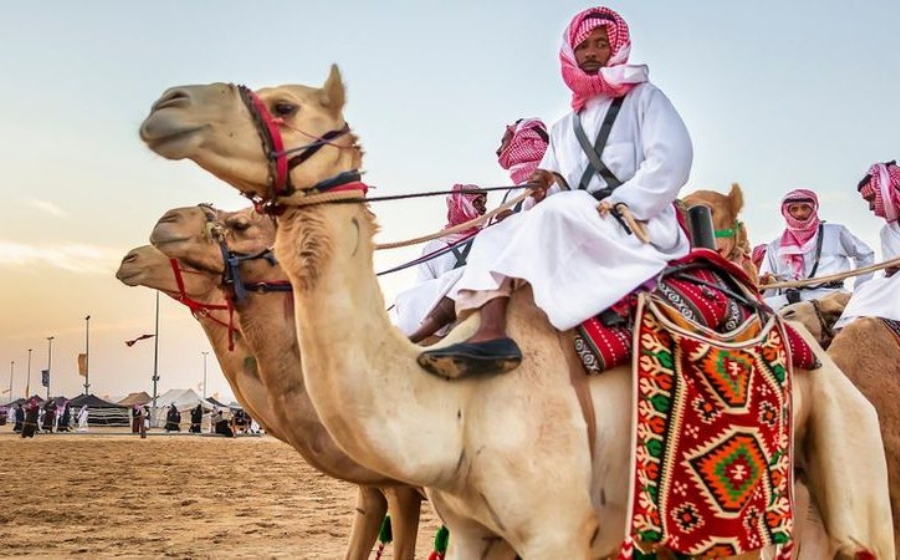
Understanding local customs can make your trip more memorable, especially when experiencing the welcoming Arab and Muslim culture that shapes daily life across the country. Traditional cafés are known for their warm hospitality, where serving Arabic coffee with dates and a friendly smile is part of social tradition, though visitors with allergies should still ask about ingredients before drinking from the tiny cup that is often refilled until you gently shake it side to side to signal enough coffee. The country also moves with the peaceful rhythm of the five prayer times, when stores, shopping malls, and even some restaurants or cafés may briefly pause, so many travelers simply slow down and enjoy the surrounding ambiance as music and TV may lower during the Athan, the call to prayer, and moments of prayer. Understanding social etiquette is equally important because public displays of affection are generally avoided, although married couples sometimes walk while holding hands in a respectful and warm way. Simple greetings also matter when meeting friends, where men usually shake hands, while a woman may only greet if she extends her hand, and close female friends may exchange gentle hugs or cheek-to-cheek kisses. In mixed groups, it is always respectful to watch and let the local lead interactions naturally.
Rules in Saudi Arabia for tourists
Before flying out to Saudi Arabia, every visitor should understand the country’s unique quirks, laws, and social rules to avoid any unnecessary issue or inconvenience inside the kingdom. From my experience, the easiest part for most tourists is the online process for the eVisa process, but checking the official government portal for updated visa requirements, Requirements, and other official travel details is still important before booking. In daily life, public behaviour matters a lot, so keeping a respectful presence and thoughtful presence in restaurants, streets, and public places helps visitors connect better with local people. Avoid Loud or rowdy conduct, especially around authority figures, security, waiters, or other service staff, because politeness and calm conduct are highly valued across Saudi Arabia’s cities and villages. When taking Photos or pictures, always ask first to respect women privacy, and never photograph government buildings, Government offices, palaces, or military sites because many remain off-limits for security reasons. Instead, enjoy the beautiful sunset, desert landscape, traditional market selling spices, colorful spices, and rich local customs that make Saudi Arabia special for travelers looking for authentic cultural experiences while showing proper respect toward the local community and its traditions.
Saudi Arabian etiquette in daily life
Across Saudi Arabia, daily rules are strongly connected to respect, local customs, tradition, and religion, so understanding small habits can make every visit smoother and more welcoming. During my own time in the Middle East and North Africa, I noticed how simple actions like using the right hand while dining and eating are considered customary, especially among Muslims, because it follows the teachings of Prophet Muhammed and saying Peace be upon him after his name shows politeness. When entering a home, house, or mosque, many locals prefer stepping in with the right foot, while avoiding certain gestures with the left hand since being left-handed can sometimes carry a different meaning in formal situations. At social gatherings, friends and family often sit around large plates filled with traditional mandi, rice, and meat at famous kabsa restaurants, where food is shared as a cherished tradition that reflects warmth, community, and generosity. A very polite way to join conversations is by saying As-salaam alaykum, meaning peace be upon you, which works as the perfect icebreaker and a respected traditional greeting before entering social spaces or homes. During meals, people may eat with their hands, while others use spoons and forks, but everyone usually takes their own portion from the communal plate in a calm and cheerful atmosphere. If invited for social visits, guests often remove shoes before entering and may carry a small token gift like chocolates, dessert, or flowers for the dinner hosts, because these visits are usually leisurely, and it is considered rude to rush or quickly leave.
Things You Should Know Before Visiting Saudi Arabia
There are a few things you can take care of to avoid getting into any kind of legal trouble during your stay in Saudi Arabia. Some of them are:
| # | Category | Rule | Details |
| 1 | Alcohol | Strictly Prohibited | Alcohol is illegal in Saudi Arabia. Do not bring, consume, or appear intoxicated in public. |
| 2 | Drugs | Zero Tolerance | Drug use, trafficking, or possession can lead to imprisonment, deportation, or severe punishment. |
| 3 | Photography | Permission Required | Do not photograph people, military, police, or government buildings without consent. |
| 4 | Pork | Prohibited | Pork is not allowed. Importing pork products will result in confiscation at the airport. |
| 5 | Pornography | Illegal Content | Possession or creation of pornographic content can lead to device confiscation, fines, or imprisonment. |
| 6 | Criticizing Law | Avoid Public Criticism | Criticizing the government, royal family, or laws (including online) can lead to legal action. |
| 7 | Public Display of Affection | Not Allowed | Physical affection in public is considered inappropriate and should be avoided. |
| 8 | Ramadan Ethics | Respect Fasting Hours | No eating, drinking, or smoking in public during fasting hours (dawn to sunset). |
| 9 | Clothing Restrictions | Modest Dress Required | Wear modest clothing. Men should avoid sleeveless shirts/shorts. Women should wear loose clothing, preferably abaya and scarf. |
| 10 | LGBTQ | Strict Laws | Same-sex relationships are not accepted legally and can lead to severe penalties. |
| 11 | Gender Segregation | Cultural Norm | Many places and events have separate areas for men and women. |
| 12 | ID Requirement | Always Carry ID | Keep passport or ID with you at all times for checkpoints or inspections. |
| 13 | Littering | Fines Apply | Littering is punishable by law and strictly enforced. |
| 14 | Hajj & Umrah | Religious Rules | Proper visa required. Under 18 needs guardian (mahram). Ihram required for pilgrimage. |
Frequently Asked Questions
What essential etiquette should you know to enjoy authentic experiences while exploring Saudi Arabia?
In Saudi Arabia, it’s a good idea to dress modestly, greet people politely, and respect prayer times. Accept hospitality when offered, and always avoid public displays of affection.
What visa, entry, and documentation rules must be followed when visiting Saudi Arabia?
Saudi Arabia’s rules and regulations require visitors to apply for a visa, which is easily obtained online. Requirements can change, so check the official Saudi government website before travelling. It’s always a good idea to carry your passport and ID at all times.
What kind of clothing is appropriate for visitors to wear when travelling in Saudi Arabia?
Modest, loose clothing is appropriate in Saudi Arabia. Women should cover their arms, shoulders, and knees, while men should avoid sleeveless shirts or swimwear in public. Private resorts, compounds, and hotels are exceptions, where relaxed attire is usually welcome. When in doubt, just ask those in the hotel or resort.
What are the rules around photography and taking pictures?
It’s a general rule of thumb to avoid taking pictures or selfies near government buildings or military sites in Saudi Arabia, and never take pictures of people without asking.
What should travellers know about religious sites in Saudi Arabia?
Non-Muslims cannot enter Makkah. They can visit Madinah, but are not allowed to enter Al Masjid al-Nabawi (the Prophet’s Mosque) or its vicinity. Other mosques in the kingdom are open to visitors. Modest dress across the kingdom is required, and respectful silence is appreciated.
Can women travel freely in Saudi Arabia?
Yes. Women can now drive, travel alone, and access public spaces independently in Saudi Arabia.
Is alcohol allowed in Saudi Arabia?
Alcohol is prohibited nationwide in Saudi Arabia. Instead, you can enjoy the local tradition of fresh juices, fragrant Arabic coffee or chai, and creative non-alcoholic mocktails.